

In the fast-paced world of mobile crypto, where transactions need to be as swift as they are secure, the Solana Saga phone stands out for solana saga solana pay setup. As SOL trades at $80.99 with a 24-hour dip of -4.44%, mobile merchants are turning to this Web3 powerhouse to enable saga phone crypto payments 2026. Imagine accepting instant Solana Pay at your pop-up shop or food truck, all from a device built for decentralized finance. The Saga’s Solana Mobile Stack (SMS) makes it seamless, but security comes first – always.

With SOL’s resilience even amid market fluctuations, setting up Solana Pay on Saga equips you for the mobile solana pay merchant guide era. This phone isn’t just hardware; it’s a secure gateway to DeFi, featuring the Seed Vault for hardware-encrypted keys. No more fumbling with clunky apps on generic phones – Saga integrates everything natively. Your keys, your crypto, your control.
Unlocking Saga’s Seed Vault: Your First Security Layer
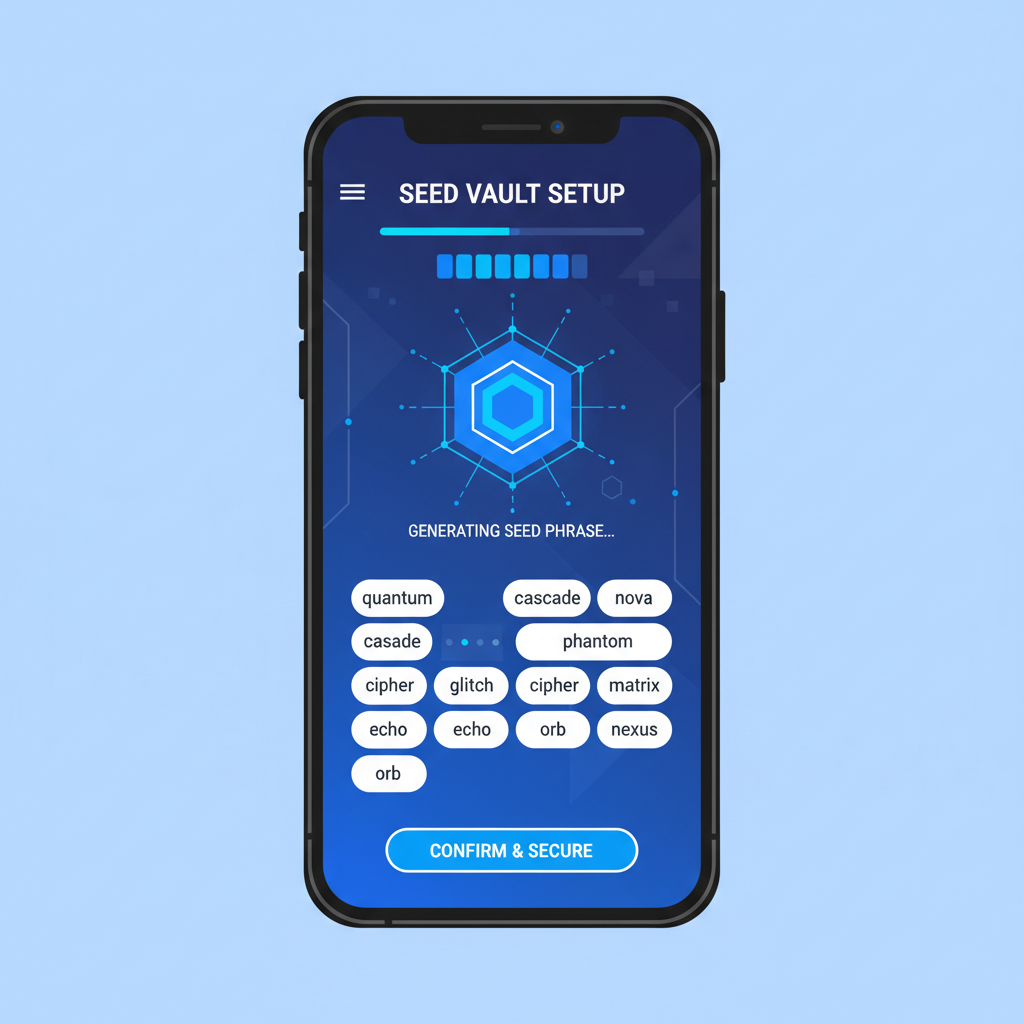
Before diving into payments, fortify your foundation. The Seed Vault is Saga’s crown jewel, a tamper-resistant enclave that keeps private keys off-limits to even the most sophisticated attacks. Head to settings, initialize it, and jot down that 24-word seed phrase on paper – store it offline, never screenshot it. This step alone slashes risks compared to software wallets on standard Androids.
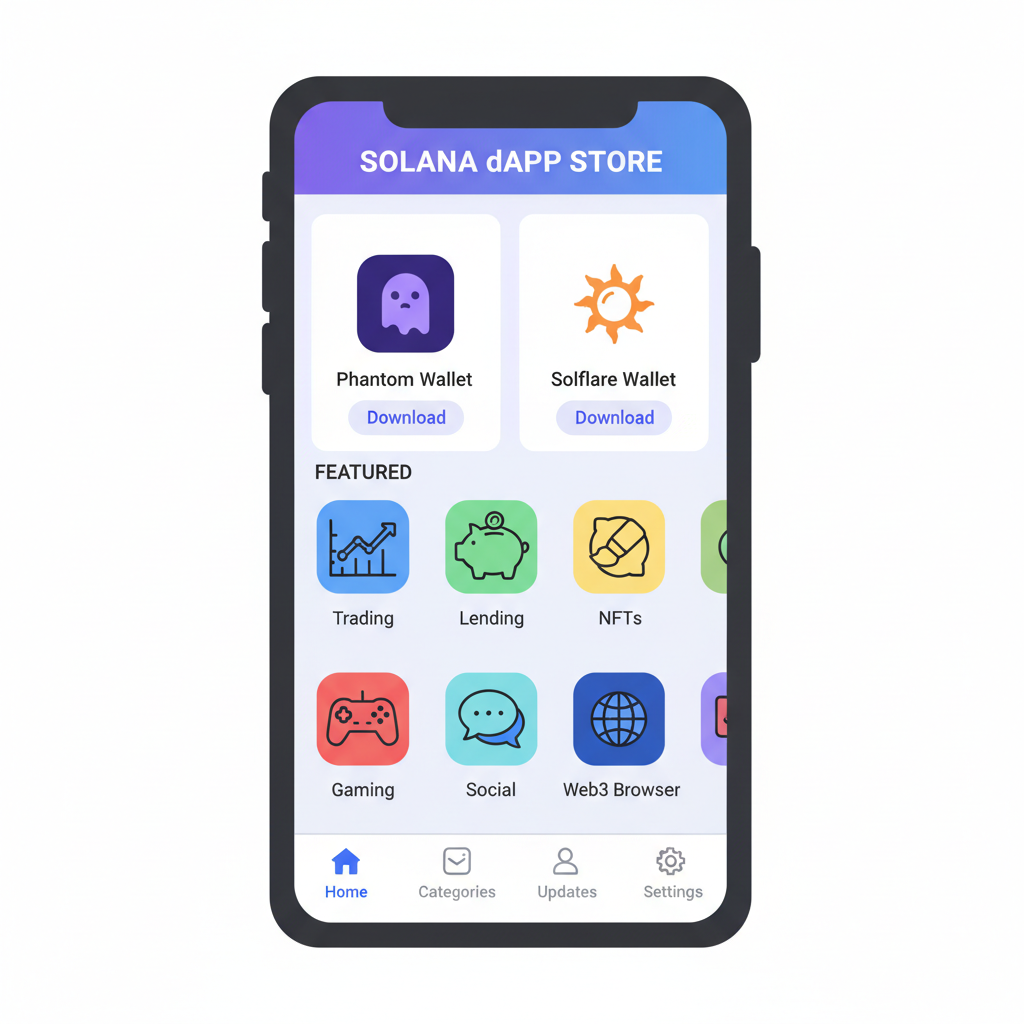
Next, grab a trusted wallet like Solflare or Phantom from the Solana dApp Store. These play nice with Seed Vault, linking seamlessly so your keys stay locked in hardware. Biometrics kick in for approvals, blending speed with ironclad protection. I’ve seen merchants lose fortunes to phishing; don’t join them. Verify every connection.
Secure Solana Pay Setup: Initialize Seed Vault & Wallet on Saga Phone

Funding with SOL: Powering Up for Merchant Transactions
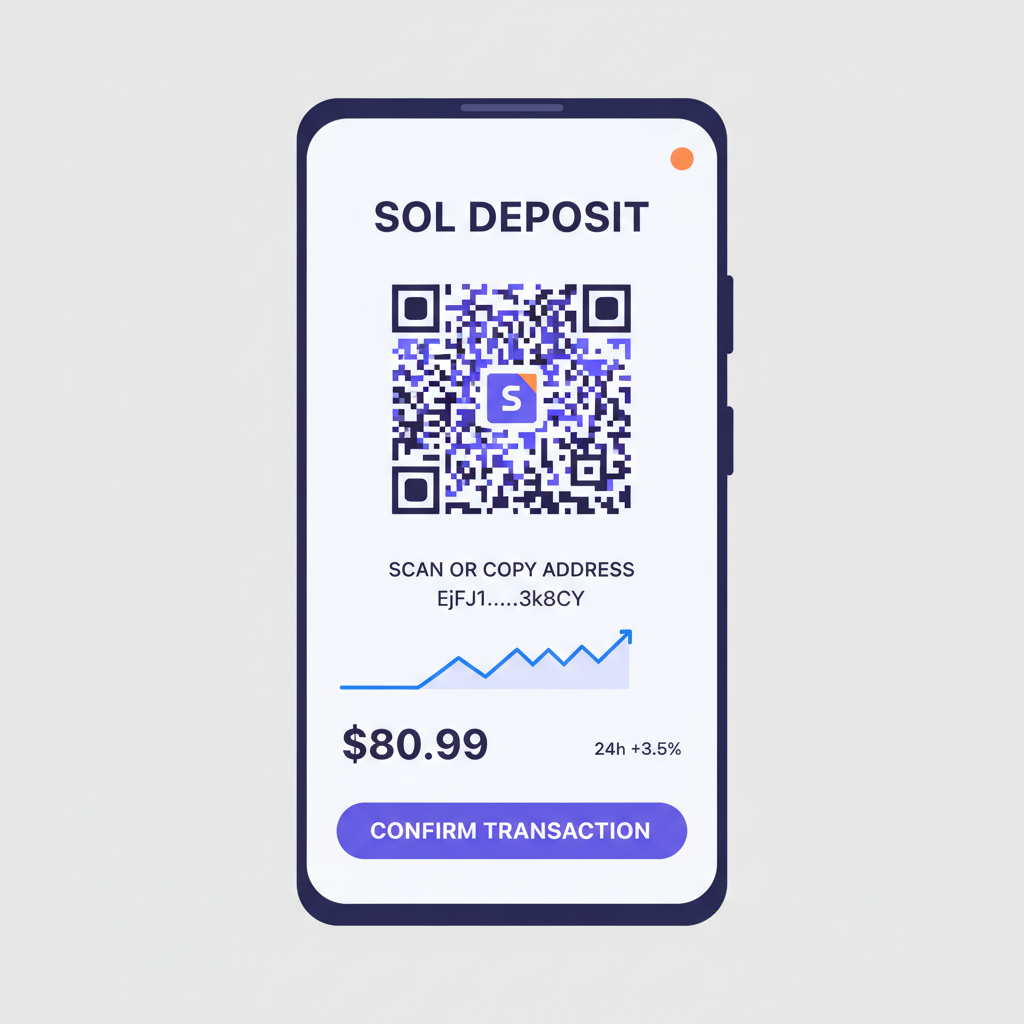
With your wallet live, fund it. Buy SOL on an exchange – note the current $80.99 price – and withdraw to your Saga address. Double-check the address; one typo, and it’s gone forever. Start small to test, then scale. This funds not just payments but SPL tokens and NFTs too, perfect for dynamic merchant offers.

Security tip: Enable firmware auto-updates. Saga’s patches roll out quick, plugging vulnerabilities before exploits hit. And use multi-sig where possible for high-value setups. As a mobile DeFi specialist, I stress this: treat your phone like a vault, not a toy.
Generating Solana Pay QR Codes: From Setup to First Sale
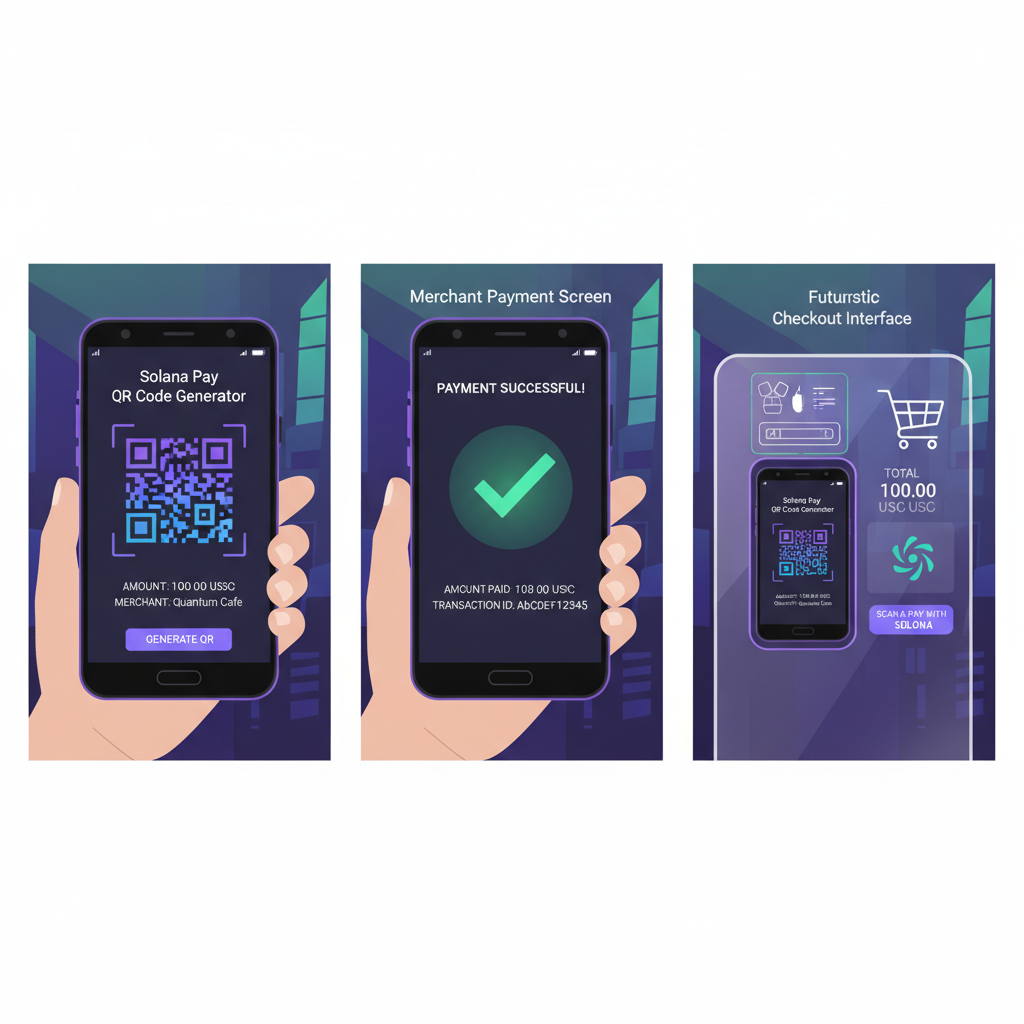
Now the fun part – payments. Tap into the Solana Pay SDK via developer tools in SMS. Generate QR codes encoding payment requests: amount in SOL (say, 0.1 at today’s $80.99 rate), merchant memo, even reference for loyalty tokens. Display it at checkout; customers scan with their wallets, and boom – instant settlement, sub-second confirmations.
Solana (SOL) Price Prediction 2027-2032
Forecasts incorporating Solana Saga phone adoption, Solana Pay integration for mobile merchants, and broader ecosystem growth from 2026 baseline ($81)
| Year | Minimum Price | Average Price | Maximum Price | YoY % Change (Avg from Prior Year) |
|---|---|---|---|---|
| 2027 | $95.00 | $140.00 | $210.00 | +73% |
| 2028 | $130.00 | $190.00 | $300.00 | +36% |
| 2029 | $170.00 | $260.00 | $420.00 | +37% |
| 2030 | $220.00 | $350.00 | $580.00 | +35% |
| 2031 | $280.00 | $470.00 | $780.00 | +34% |
| 2032 | $350.00 | $620.00 | $1,020.00 | +32% |
Price Prediction Summary
Solana (SOL) is projected to experience robust growth from 2027-2032, fueled by mobile merchant adoption via Saga phones and Solana Pay, driving transaction volumes and real-world utility. Average prices could rise from $140 in 2027 to $620 by 2032 (over 4x from 2026’s $81), with bullish maxima reflecting adoption surges and bearish minima accounting for market corrections.
Key Factors Affecting Solana Price
- Widespread Solana Pay and Saga phone integration boosting merchant adoption and daily transactions
- Solana Mobile Stack (SMS) enhancements and Seeker phone expansions for Web3 mobile ecosystem
- Crypto market cycles, with potential bull runs amplifying SOL’s high-throughput advantages
- Regulatory progress favoring stablecoin and payment integrations on Solana
- Scalability upgrades and security improvements outpacing L1 competitors like Ethereum
- Market cap growth potential amid competition from L2 solutions and emerging chains
- Macro factors including institutional inflows and global economic conditions
Disclaimer: Cryptocurrency price predictions are speculative and based on current market analysis.
Actual prices may vary significantly due to market volatility, regulatory changes, and other factors.
Always do your own research before making investment decisions.
For solana pay seed vault saga integration, test on devnet first. Scan your own code, confirm receipt. This workflow crushes traditional POS lag, especially for saga defi payment app users hustling on the go. Merchants report 30% faster checkouts, zero chargebacks. But audit your QR logic; malformed ones invite exploits.
Scale beyond basic QR scans by layering in transaction requests. Picture this: a customer wants a custom NFT with their latte order. Your server crafts a pre-signed transaction – bundled with SPL transfers or program calls – and serves it via Solana Pay protocol. Customers approve in their wallet, and it’s settled before the foam settles. This elevates mobile solana pay merchant guide from simple cash to programmable money, all on Saga’s buttery-smooth interface.
Advanced Transaction Requests: Customizing Payments for DeFi Edge
Grab the Solana Pay SDK from Solana Mobile Docs and spin up a lightweight server – Node. js works fine on a Raspberry Pi for pop-ups. Define requests with dynamic amounts tied to $80.99 SOL pricing, add memos for inventory tracking, or bundle USDC for stable fiat-like payments. Test rigorously: simulate high loads, failed confirms. I’ve consulted merchants who skipped this and faced double-spends; don’t. Saga’s dev tools shine here, with emulators mimicking mainnet speeds.
Pro tip: Hook into SMS APIs for ambient permissions. Let customers grant one-tap approvals for repeat business, slashing friction. At $80.99, even micro-transactions like 0.001 SOL tips make sense without fees eating profits. This is where Saga laps competitors – native Web3 without browser hassles.
Real-World Merchant Wins: Case Studies and Pitfalls Avoided
Take food trucks in Miami’s crypto scene: one operator swapped Stripe for Solana Pay post-setup, reporting 40% cost savings on fees alone. Customers love the speed – scan, pay, done – while merchants dodge chargeback nightmares. Another, a traveling artisan, uses dynamic QR for tiered NFT drops, pricing in SOL at live rates. Pitfalls? Early adopters ignored firmware updates, inviting a rare enclave glitch fixed in patch 2.3. Stay vigilant.
For eCommerce hybrids, embed Solana Pay in your site via iframes or PWAs, routing through Saga for signing. No plugins needed; SMS handles the heavy lifting. As SOL holds $80.99 amid volatility, merchants hedge by offering SOL discounts, boosting adoption. Opinion: this phone isn’t hype – it’s the DeFi accelerator mobile commerce craves in 2026.
Troubleshooting and Optimization: Keeping Payments Bulletproof
QR not scanning? Check encoding limits – Solana Pay caps at 4KB. Transaction pending? RPC nodes overload during pumps; switch to Helius or QuickNode endpoints. Wallet mismatches plague newbies; enforce Solflare/Phantom in your flows. Optimize by batching requests for events, minimizing on-chain calls.
Biometrics fail-safe: fallback to PIN, but drill it. Monitor via Solana Explorer for anomalies. Quarterly audits keep you sharp. Your keys, your crypto, your control – but only if you maintain the fortress.
Merchants thriving on Saga blend security rituals with workflow hacks. Auto-backup seeds to encrypted microSD, whitelist RPCs, simulate attacks monthly. In 2026’s crowded mobile pay space, this setup isn’t optional; it’s your moat. Dive in, test small, scale secure – and watch crypto payments redefine your hustle.
About the Author