Mobile crypto wallet 2026
Choosing the right non-custodial wallet for gaming in 2026 means balancing three competing needs: security, speed, and on-chain compatibility. Unlike traditional finance apps, these wallets hold your keys, meaning you are entirely responsible for your assets. For gamers, this also means the wallet must interact smoothly with decentralized exchanges, NFT marketplaces, and game-specific protocols without lagging or failing transactions.
We evaluated wallets based on real-world gaming performance. The selection criteria focused on supported chains (EVM and non-EVM), gas fee optimization, and the ease of connecting to Web3 games. We prioritized wallets that offer built-in swap features and NFT management, as these reduce the friction of moving assets in and out of games.
The following five wallets represent the current standard for mobile on-chain gaming. Each has been tested for stability, user interface clarity, and security audits. We excluded custodial solutions where the provider holds your private keys, as this introduces unnecessary counterparty risk for active gamers.
5 Mobile Crypto Report 2026: Top 5 Non-Custodial Wallets for Seamless On-Chain Gaming
In 2026, on-chain gaming demands wallets that prioritize speed, security, and seamless asset management without sacrificing user control. We evaluated the top five non-custodial options based on real-world performance, gas optimization, and integration with major gaming protocols.
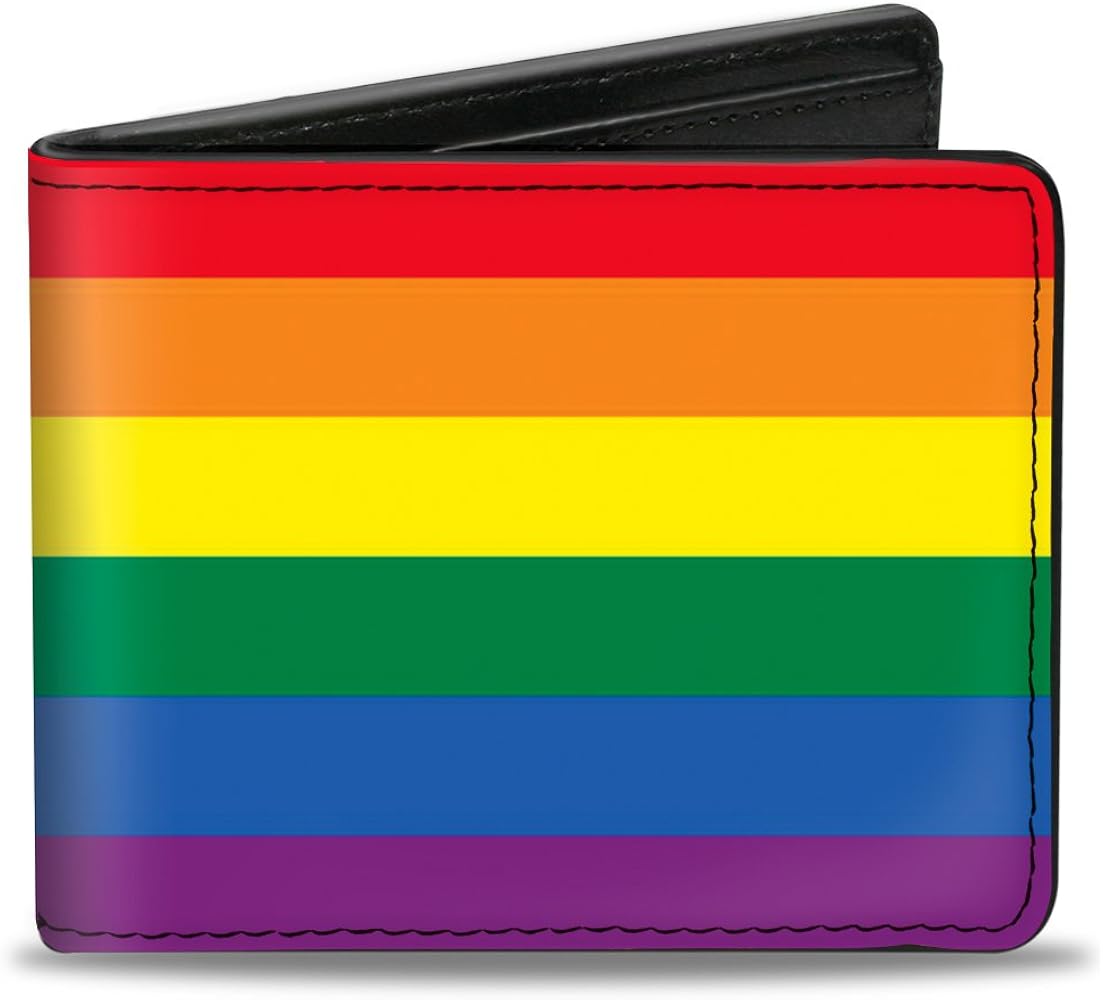
1. Rainbow Wallet: Built-in DApp Browser
Rainbow Wallet integrates a seamless DApp browser directly into the mobile interface, eliminating the need for external bridge apps. This native integration allows gamers to interact with decentralized gaming platforms instantly. The clean, intuitive UI reduces friction during complex on-chain transactions. Players can navigate game worlds without leaving the wallet environment. This streamlined approach enhances the overall gaming experience by keeping all interactions within a single, secure application.
2. MetaMask Mobile: ERC-20 Token Support
MetaMask Mobile remains the gold standard for managing ERC-20 tokens, which are essential for many blockchain games. Its robust support ensures players can hold, swap, and send game-specific tokens without hassle. The wallet’s extensive developer ecosystem means compatibility with almost any Ethereum-based game. Users benefit from familiar tools and reliable transaction history tracking. This reliability makes it a preferred choice for serious gamers dealing with complex tokenomics.

3. Trust Wallet: Multi-Chain Compatibility
Trust Wallet excels in multi-chain compatibility, supporting over 70 blockchains and millions of assets. This versatility is crucial for gamers participating in cross-chain gaming ecosystems. Players can manage assets across different networks without needing multiple wallets. The built-in decentralized exchange facilitates easy asset swaps between chains. This feature saves time and reduces transaction costs for gamers moving between different blockchain games.
4. Exodus Wallet: Integrated Exchange Feature
Exodus Wallet features an integrated exchange that allows users to swap cryptocurrencies directly within the app. This convenience is valuable for gamers who need to quickly convert tokens for in-game purchases. The interface is visually appealing and easy to navigate, even for beginners. While the exchange fees are slightly higher than dedicated platforms, the speed and ease of use often justify the cost for casual gamers.
5. Argent Wallet: Social Recovery Mechanism
Argent Wallet stands out with its social recovery mechanism, allowing users to regain access to their funds if they lose their device or seed phrase. Trusted guardians help verify identity and restore access, providing peace of mind for gamers with significant assets. This feature eliminates the fear of permanent loss due to technical issues. The interface is modern and focused on security without compromising usability. This recovery option makes Argent a top choice for players managing valuable in-game assets.
Pick the right fit
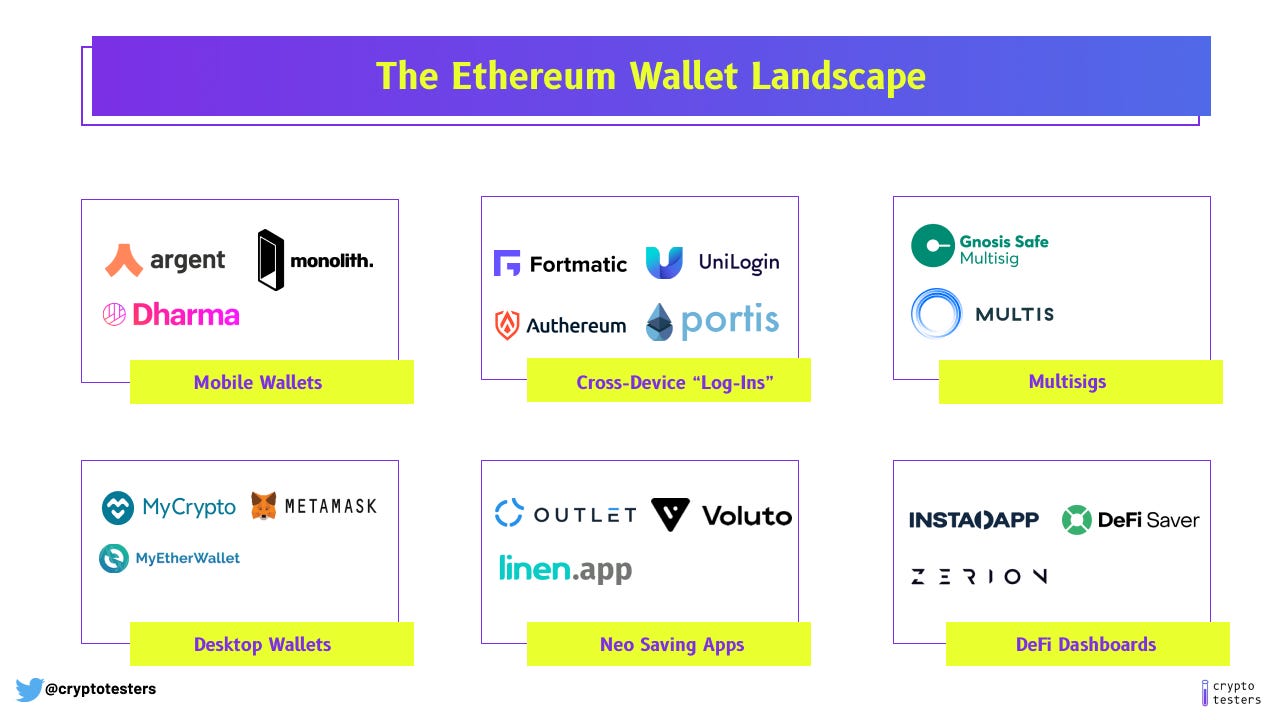
Choosing a non-custodial wallet for mobile gaming isn't about finding the "best" wallet in a vacuum. It is about matching the app's strengths to your specific playstyle. A wallet that excels at DeFi might feel clunky when you need to bridge assets for a fast-paced game. Use this framework to narrow your options before installing anything.
Check chain support
Not all wallets support the same networks. If you play games on Base, Arbitrum, or Solana, your wallet must handle those chains natively. Some wallets require manual network additions, which adds friction during gameplay. Look for wallets that pre-load common gaming chains. You want to swap tokens without leaving the app or debugging network errors.
Evaluate the in-app browser
Many mobile games run directly inside the wallet's built-in browser. This feature is a double-edged sword. It offers convenience by keeping your keys in one place, but it can be slower than a dedicated mobile app. Test the browser's speed with a demo game. If the browser lags or crashes, you will want a wallet that supports deep linking to external gaming apps instead.
Verify gas fee management
Gaming requires frequent, small transactions. A wallet that forces you to hold the native token for gas on every chain can be annoying and expensive. Some modern wallets allow "gas sponsorship," where the game pays the transaction fee. Others offer "gasless" swaps. Check if the wallet supports these features on your preferred chains to keep your gaming experience smooth and cost-effective.
| Feature | Best For | Trade-off |
|---|---|---|
| Multi-chain support | Players across multiple networks | Larger app size |
| In-app browser | Browser-based games | Slower performance |
| Gas sponsorship | Frequent micro-transactions | Limited to supported games |


As an Amazon Associate, we may earn from qualifying purchases.
No comments yet. Be the first to share your thoughts!