5 Best Crypto Wallet 2026: Top 5 Picks for Security and Staking
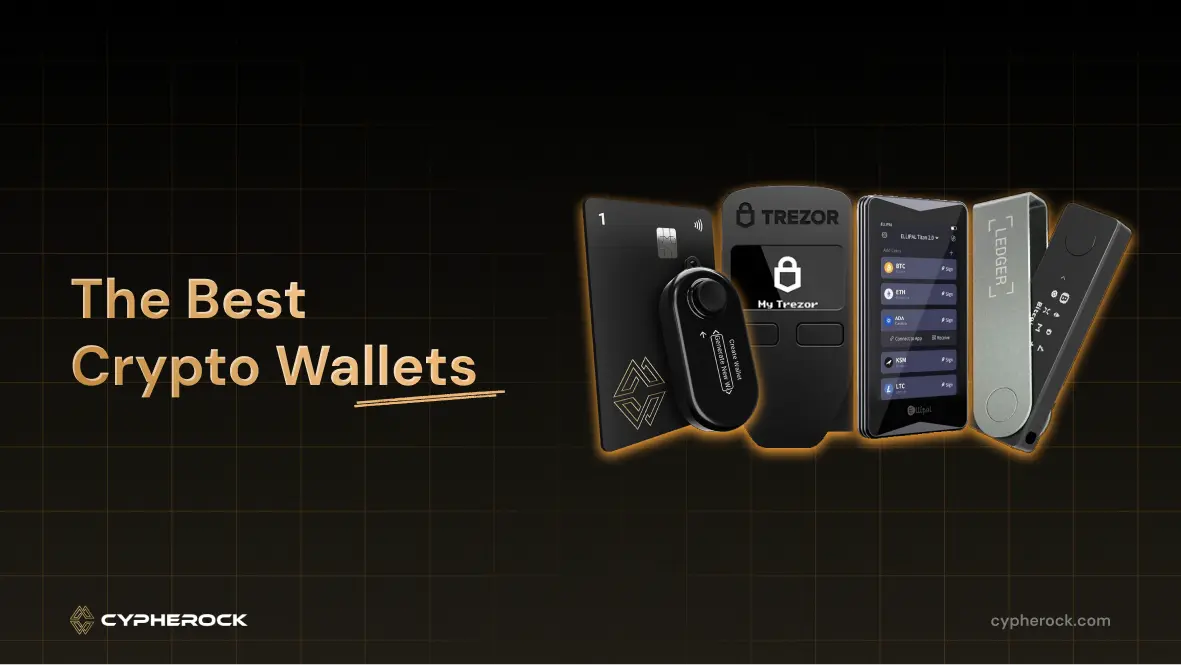
Selecting the best crypto wallet in 2026 requires balancing robust security protocols with seamless staking capabilities. This curated list highlights five specific hardware and software solutions that meet rigorous official standards for asset protection.
1. Ledger Flex for large-screen verification
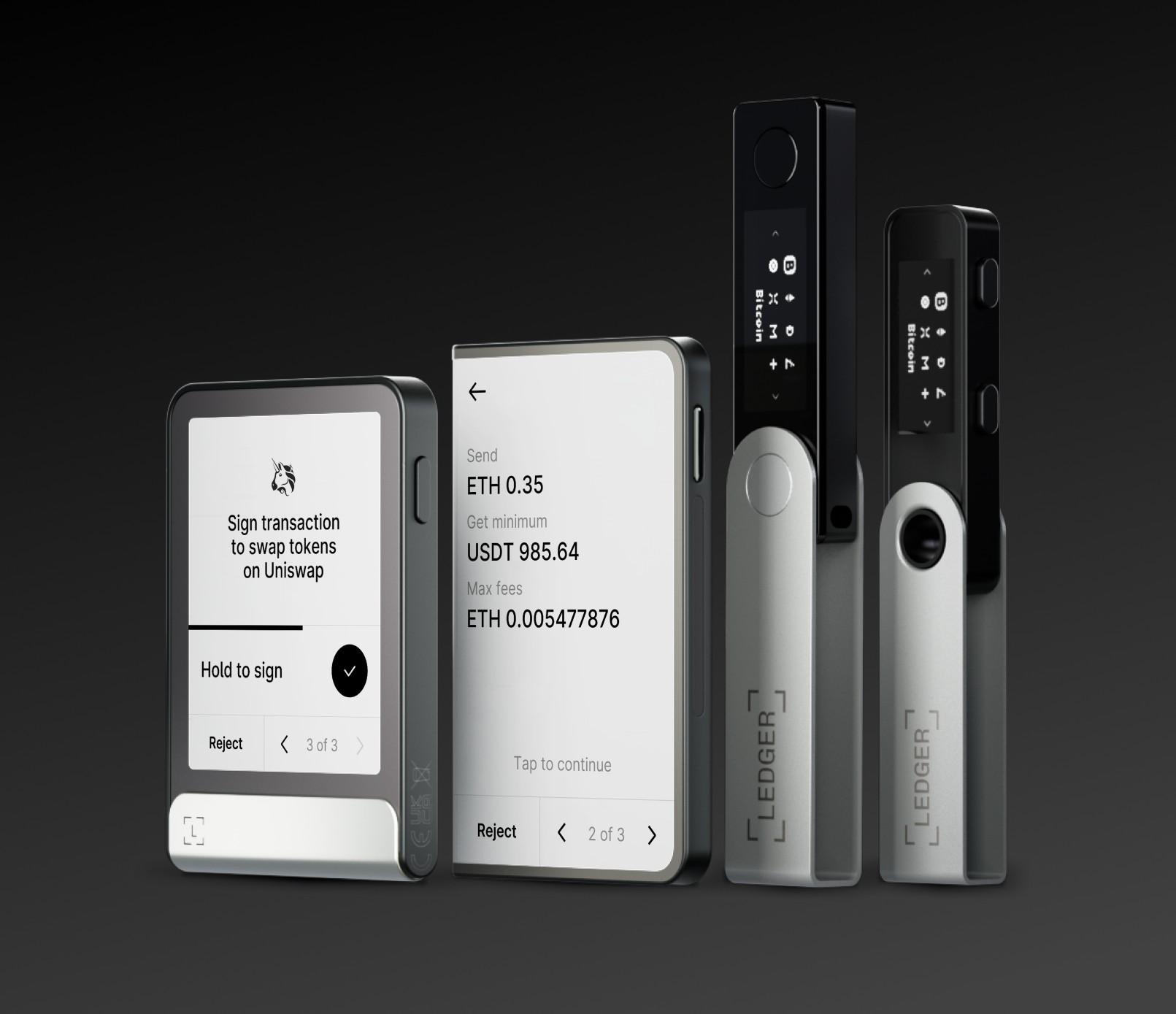
The Ledger Flex redefines hardware security with its integrated e-ink touchscreen, allowing users to verify transaction details directly on the device rather than relying on tiny buttons. This visual confirmation significantly reduces the risk of address spoofing attacks. The sleek, modern design fits comfortably in a pocket while offering the robust cryptographic protection expected from a leading hardware wallet provider.

2. Trezor Safe 7 for open firmware security
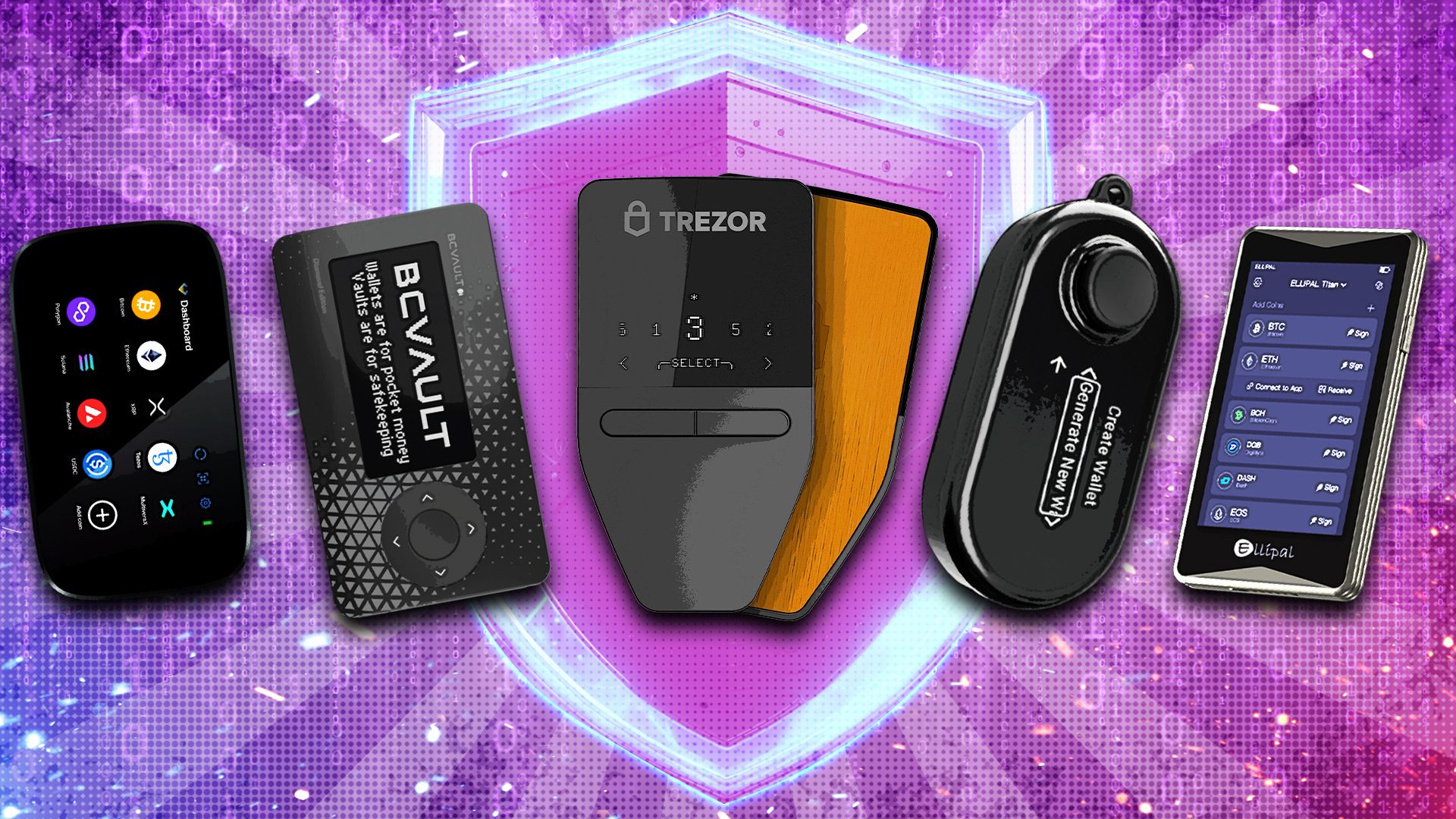
Trezor Safe 7 stands out by combining a secure element with fully open-source firmware, offering unparalleled transparency for security-conscious investors. The device features a color touchscreen and a built-in passphrase keyboard, enabling hidden wallets for advanced threat models. Its robust build quality and commitment to verifiable code make it a top choice for those prioritizing auditability and long-term trust.

3. Tangem for seedless mobile recovery
Tangem eliminates the traditional seed phrase entirely, replacing it with durable, bank-card-sized NFC tokens that store private keys in secure elements. Users can recover their assets simply by scanning the cards with a smartphone, making it ideal for beginners or those wary of writing down complex mnemonic phrases. This seedless approach removes the single point of failure associated with paper backups.

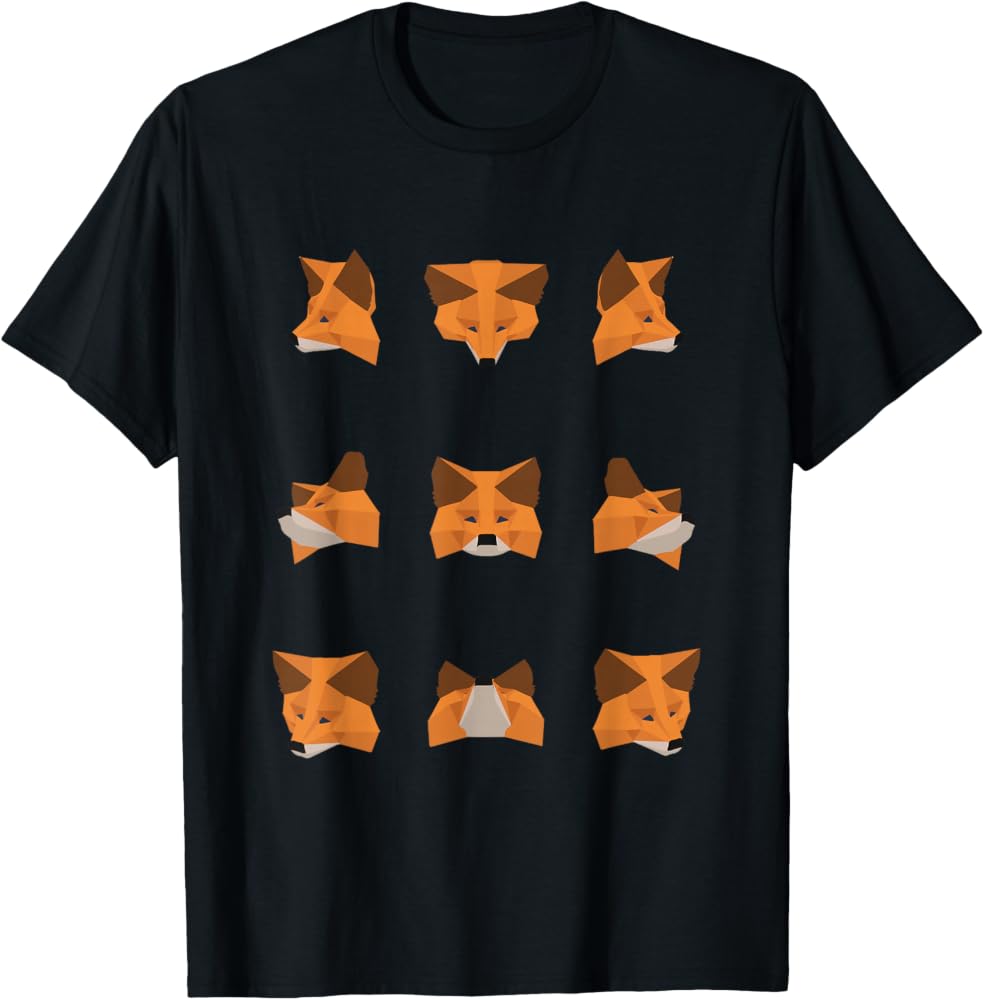
4. MetaMask for EVM ecosystem access
MetaMask remains the indispensable gateway for interacting with Ethereum Virtual Machine (EVM) chains, offering seamless integration with decentralized applications and DeFi protocols. Its browser extension and mobile app allow users to manage tokens, swap assets, and connect to dApps with minimal friction. While primarily a software wallet, its widespread support makes it essential for navigating the broader crypto ecosystem.
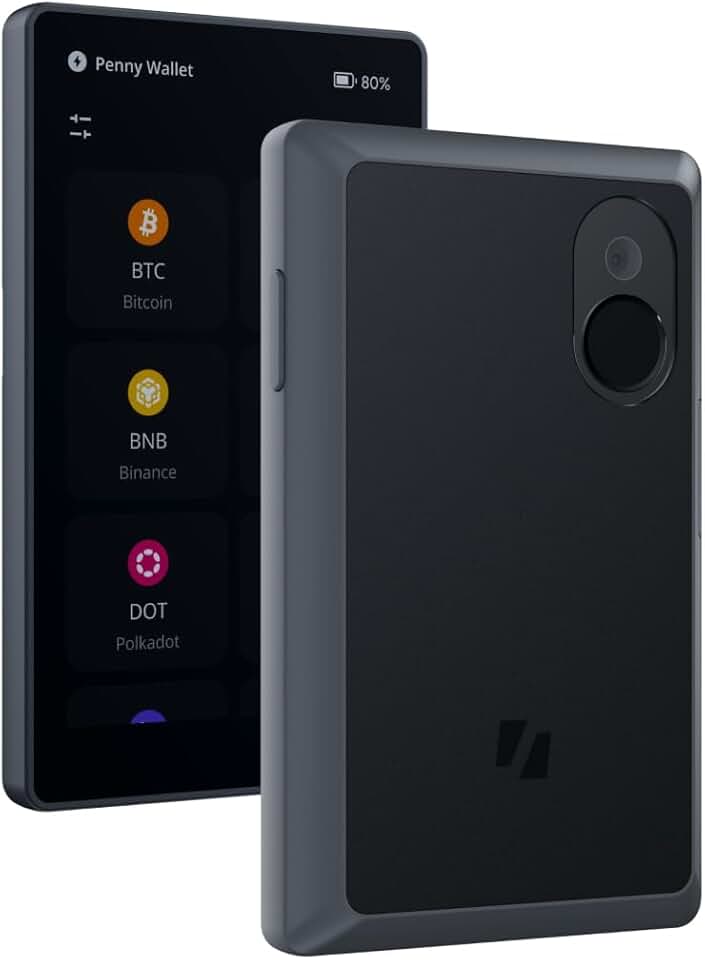
5. Keystone Pro 3 for air-gapped air gap security
The Keystone Pro 3 utilizes a camera-based air-gap method, allowing users to sign transactions offline without any physical USB or Bluetooth connections. By capturing QR codes with a smartphone camera, it maintains strict isolation between the signing device and the internet, protecting against remote hacking attempts. This approach offers institutional-grade security for high-value holdings in a user-friendly package.
How we picked the best crypto wallet 2026
Selecting a secure crypto wallet requires balancing three competing demands: absolute custody of private keys, daily usability on mobile devices, and native staking capabilities. We evaluated top contenders against these strict criteria, prioritizing non-custodial solutions where open-source firmware is available to ensure transparency.
Security remains the non-negotiable foundation. We focused on hardware and software wallets that utilize secure elements or proven open-source codebases to protect against remote attacks. The Bitcoin Foundation highlights Ngrave and Ledger Stax as leading examples of this approach, combining offline key storage with broad asset support.
Usability and staking determine long-term value. A wallet that is too complex will see its keys abandoned, while one lacking staking features forces users into less secure third-party protocols. Ledger’s research points to the Ledger Flex as a strong contender for 2026, noting its ideal blend of readability and functional utility. We verified that all shortlisted wallets support major staking networks natively, ensuring users can earn yield without compromising security.
Hardware vs. Mobile Wallet Comparison
Choosing between a hardware wallet and a mobile app comes down to how much crypto you hold and how often you trade. Hardware wallets like Ledger Flex and Trezor Safe 7 keep keys offline, offering the highest security for long-term storage. Mobile wallets like MetaMask provide immediate access for daily transactions and DeFi interactions but rely on your phone’s security.
The table below compares four leading options across security, staking, and usability. Ledger Flex is noted for its E-ink display and broad asset support, while Tangem offers a card-based design for simplified recovery. MetaMask remains the standard for browser and mobile dApp connectivity.
| Wallet | Type | Security | Staking Support | Mobile UX |
|---|---|---|---|---|
| Ledger Flex | Hardware | Offline (Cold) | Yes (Native) | App + E-ink |
| Trezor Safe 7 | Hardware | Offline (Cold) | Yes (Native) | App + Screen |
| Tangem | Hardware | Offline (Cold) | Yes (Partner) | NFC Tap |
| MetaMask | Software | Online (Hot) | Yes (Bridge) | Native App |


As an Amazon Associate, we may earn from qualifying purchases.
Security is not just about the device; it is about your habits. Hardware wallets require physical confirmation for every transaction, making remote hacks nearly impossible. Mobile wallets are convenient but vulnerable to phishing and malware. For most users, holding large amounts in hardware and using mobile for small, frequent trades offers the best balance of safety and utility.
Secure your crypto wallet with this checklist
Choosing the right crypto wallet is only the first step. Once you have your chosen device—whether it’s a Ledger Stax or another hardware option—you must configure it correctly to protect your assets. The stakes are high; losing your seed phrase or falling for a phishing scam means losing your funds permanently. Follow these steps to harden your security posture.
Before you activate your wallet, inspect the packaging for tampering. Official devices from Ledger or Ngrave come with sealed security wrappers. Only download wallet software from the official vendor’s verified domain. Never trust third-party links in emails or social media DMs. If the device feels light or the packaging looks off, do not proceed.
Write your 12 or 24-word recovery seed on the provided metal or paper backup sheet. Never store this phrase digitally—no photos, no cloud notes, no text files. This seed is the master key to your funds. If your device is lost or damaged, this paper is the only way to recover your crypto. Store it in a fireproof safe or a secure physical location.
Activate two-factor authentication (2FA) on any associated online accounts, such as your exchange or wallet app login. Use an authenticator app like Google Authenticator or Authy rather than SMS, which is vulnerable to SIM swapping. For hardware wallets, set a strong PIN code that you memorize. This adds a critical layer of defense against remote attacks.
Before moving your entire portfolio, send a small amount of crypto to your new wallet. Then, send it back to your exchange or primary storage. This confirms that your address is correct and that you can successfully retrieve your funds. It’s a cheap insurance policy that validates your entire setup process before you commit your significant assets.
Common questions about crypto wallets
Which is the best crypto wallet for 2026? Choosing the right wallet depends on your needs. For beginners, Exodus offers a user-friendly interface with support for over 250 assets. For those prioritizing security, hardware wallets like Ledger and Trezor keep private keys offline. MetaMask remains the go-to choice for interacting with decentralized applications (dApps) across multiple blockchains.
Can I stake crypto directly from my wallet? Yes, many wallets support staking. MetaMask allows you to stake Ethereum directly within the app. Trust Wallet and Exodus also integrate staking features for various Proof-of-Stake networks. Staking lets you earn rewards on your holdings, but ensure you understand the lock-up periods and risks involved before committing funds.
How do I secure my crypto wallet? Security starts with protecting your seed phrase. Never share your 12 or 24-word recovery phrase with anyone. Use a hardware wallet like Ledger or Trezor for large holdings, as these devices store keys offline, shielding them from online hacks. For daily spending, a software wallet like MetaMask is convenient, but keep only small amounts in it.
No comments yet. Be the first to share your thoughts!