Crypto wallet 2026 budget
Best Crypto Wallets works best when the purchase path is explicit. Verify the source, compare the offer against real alternatives, check the total cost, and confirm what happens after payment before you decide. After each comparison, write down the one risk that would change your mind. If the seller, condition, support, warranty, shipping, or upkeep still feels uncertain, resolve that question before moving to checkout.
The simplest way to use this section is to verify the seller, compare the total cost, and resolve the biggest risk before you commit.
Shortlist real options
Choosing the best crypto wallet in 2026 depends on whether you prioritize absolute security or daily trading convenience. The market has split into two distinct camps: hardware wallets for long-term storage and software wallets for active DeFi participation. Security experts generally agree that keeping assets offline is the only way to guarantee true self-custody, but this comes at the cost of speed and ease of use.
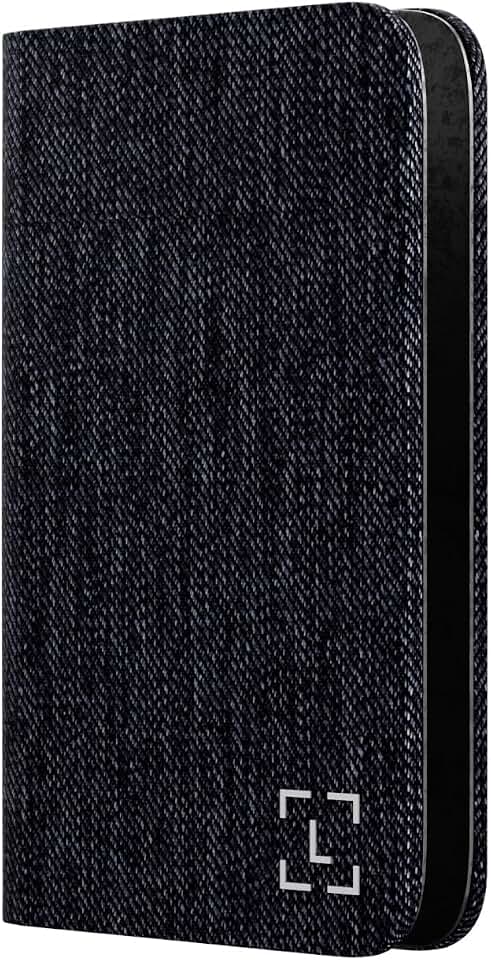
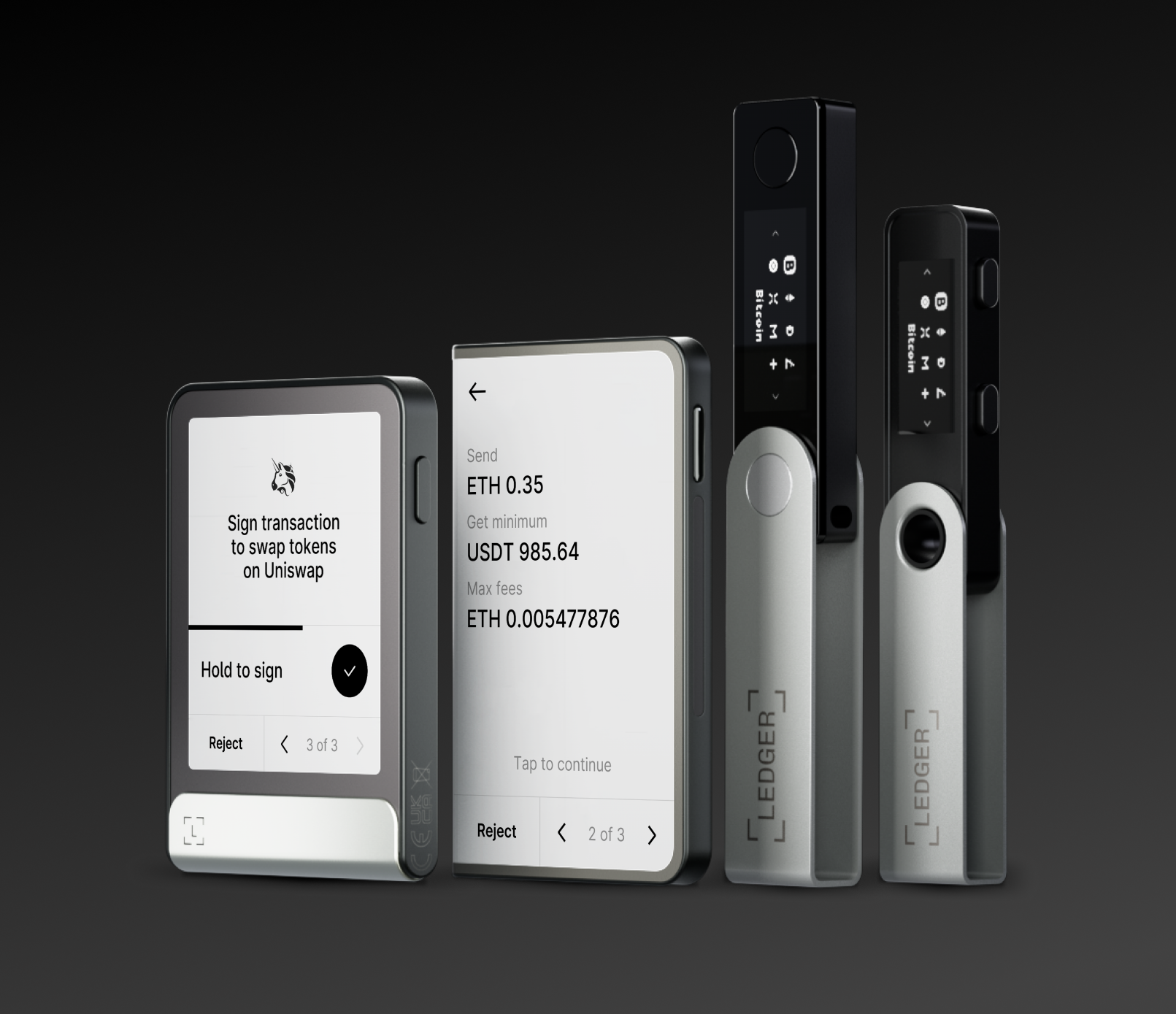
For cold storage, Ledger and Tangem lead the pack. Ledger offers the industry-standard Stax model with an e-ink touchscreen, while Tangem provides a card-based alternative that functions like a credit card. For hot wallets, MetaMask remains the dominant force for Ethereum and EVM chains, whereas Phantom has captured the Solana ecosystem with its intuitive interface.
The table below compares the top contenders across security type, supported chains, and ideal user profiles. This comparison helps you decide which tool fits your specific workflow, whether you are holding for years or trading daily.

As an Amazon Associate, we may earn from qualifying purchases.
When evaluating these options, consider your technical comfort level. Hardware wallets require a physical device and often a companion app, adding a layer of friction that protects against remote hacks. Software wallets are faster for swapping tokens but remain exposed to internet-based threats. Always verify official sources before purchasing hardware to avoid counterfeit devices sold on third-party marketplaces.
Check the expensive failure points
Most wallet reviews focus on supported coins or interface design. Those features matter, but they rarely cause catastrophic loss. The expensive failure points are usually buried in how keys are generated, how updates are handled, and how the device recovers from physical damage. If you skip these checks, you might find your assets inaccessible when you need them most.
Think of your crypto wallet like a bank vault. Anyone can see the colorful paint job (the UI), but you need to know if the lock mechanism actually works when the power goes out. Here is the practical inspection checklist for evaluating security and reliability.
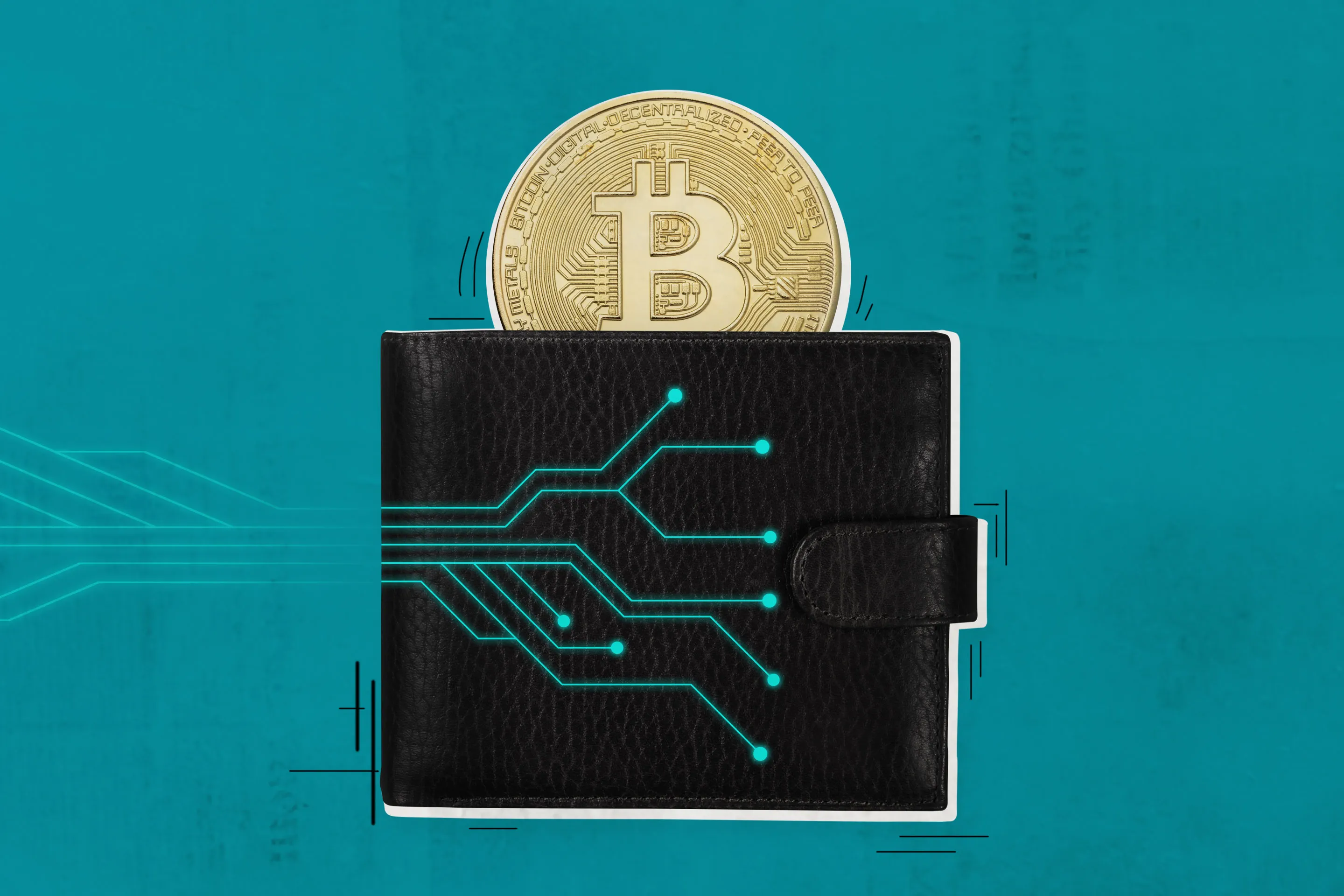
Ensure the private key is generated locally on the device, not on a remote server. For hardware wallets, look for a dedicated secure element chip. If the key is ever exposed to the internet during creation, the wallet is fundamentally insecure. Mobile wallets should explicitly state that keys are stored in the device’s secure enclave or keystore.

Before you send real funds, test the seed phrase recovery with a small amount. Write down the words, wipe the device, and restore. If the process fails or requires an internet connection to restore, it is a red flag. A true self-custody solution must work offline. This step confirms that your backup is actually usable.
Hardware wallets should arrive in tamper-evident packaging. Inspect the device for any signs of opening, such as misaligned screws or broken seals. Some manufacturers include holographic stickers or unique serial numbers. If the packaging looks compromised, do not use the device. Physical access to a compromised device can lead to total asset loss.
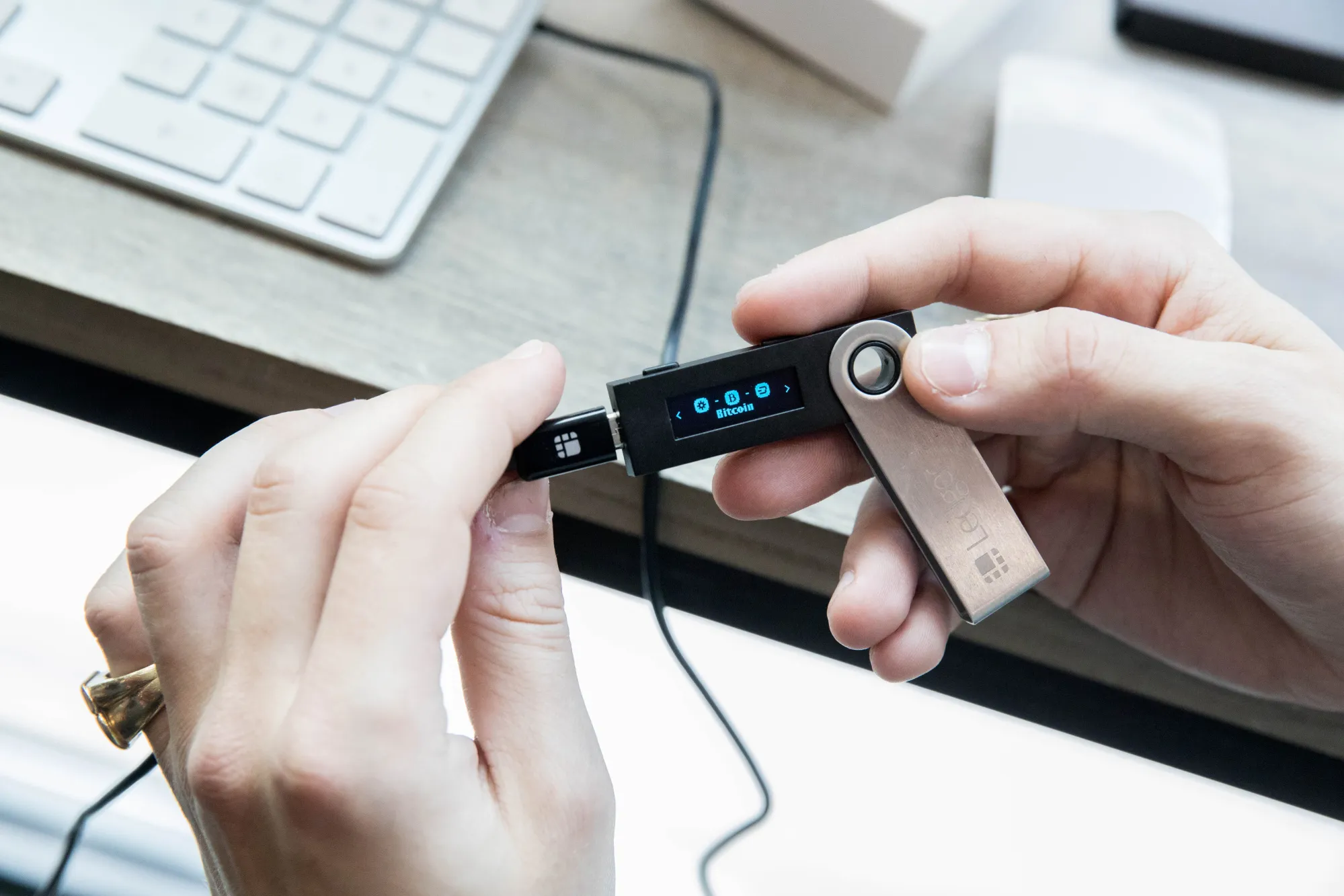
How does the wallet receive firmware updates? Hardware wallets should allow offline verification of update signatures. Mobile wallets should update through official app stores only. Avoid wallets that require you to download firmware files from third-party websites. Secure update channels prevent man-in-the-middle attacks that could compromise your keys.
By focusing on these structural integrity checks, you avoid the most common pitfalls. A beautiful interface means nothing if you cannot recover your funds or if the key generation is flawed. Prioritize these technical safeguards over cosmetic features to ensure long-term security.
Plan for ownership costs
A wallet’s sticker price is only the first expense. The real cost of ownership comes from the hidden fees and maintenance tasks that accumulate over time. A cheap buy stops being cheap when you factor in the time spent managing security or the fees paid to keep your assets accessible.
Hardware wallet expenses
Hardware wallets like Ledger Stax or Tangem require an upfront investment, but they eliminate recurring subscription fees. The cost here is purely physical: the device itself and potentially a secure place to store it. However, you must also account for the cost of replacement. If you lose the device and don’t have your recovery phrase backed up securely, the cost to recover your assets is effectively infinite.
Software wallet fees
Hot wallets like MetaMask or Coinbase Wallet are free to download, but they charge transaction fees. Every time you swap tokens or bridge assets, you pay gas fees. These costs fluctuate with network congestion. For active traders, these fees can add up to a significant percentage of your portfolio over a year. Additionally, some wallets charge premium fees for built-in swap features, which are often higher than using a dedicated exchange.
Time as a cost
Security requires maintenance. You need to update firmware, verify addresses, and monitor for phishing attempts. This time investment is a real cost. If you are not comfortable managing these tasks, you may need to pay for third-party security services or insurance, which are rare and expensive in the crypto space.


As an Amazon Associate, we may earn from qualifying purchases.
Crypto wallet 2026: what to check next
Readers often have specific concerns before choosing a wallet. Here are the most common questions about security, recommendations, and privacy.
No comments yet. Be the first to share your thoughts!