The 2026 regulatory shift for digital assets
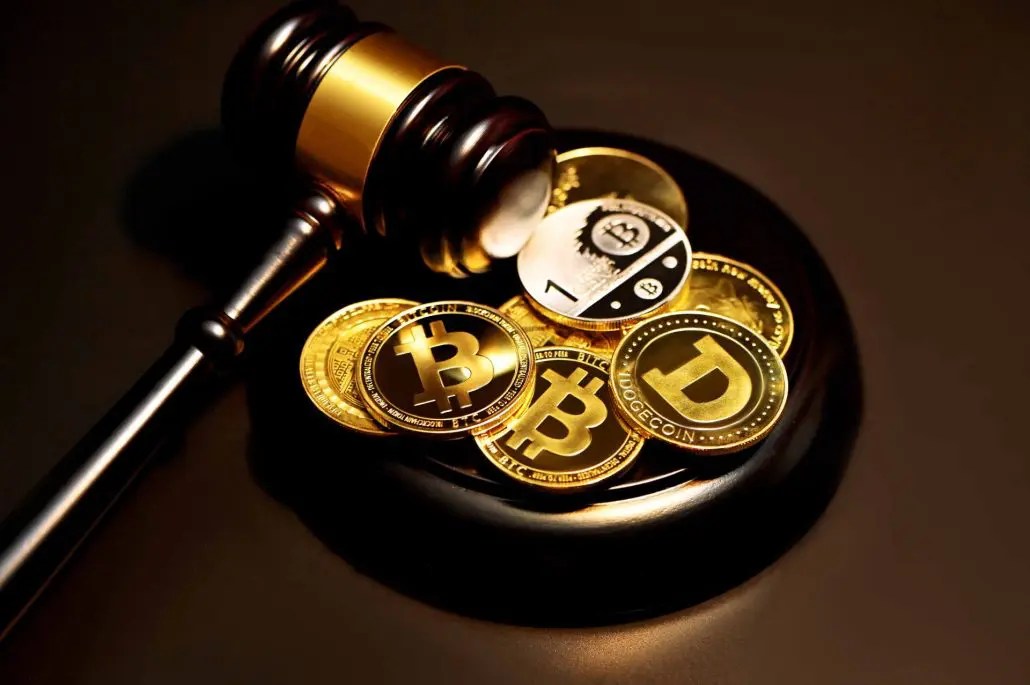
The landscape for digital assets is undergoing a fundamental transformation in 2026, moving from a period of ambiguity to one of structured clarity. For mobile wallet users, this shift is not merely abstract policy; it directly impacts how assets are classified, taxed, and transferred. The cornerstone of this change is the SEC’s clarification of federal securities laws, which now explicitly addresses airdrops, protocol mining, staking, and the wrapping of non-security crypto assets.
The SEC’s recent press release details how these activities are evaluated under existing frameworks, providing a much-needed roadmap for compliance. This clarity reduces the legal gray areas that have previously hindered mainstream adoption. Users can now better understand which tokens fall under securities regulations and which are treated as commodities, allowing for more informed decision-making when managing portfolios on mobile devices.
Simultaneously, the IRS has tightened its stance on transaction reporting. Starting in 2025, crypto exchanges are required to report certain digital asset sales and transactions on Form 1099-DA. While this reporting requirement began last year, its full implementation and enforcement mechanisms are central to the 2026 regulatory environment. This means that every trade, swap, or transfer conducted through a mobile wallet is now more closely monitored, emphasizing the importance of accurate record-keeping.
The combination of clearer securities definitions and stricter tax reporting creates a more predictable, albeit more regulated, ecosystem. For the average user, this means less risk of unexpected legal repercussions but also less anonymity. The focus is shifting toward transparency and compliance, setting the stage for broader institutional integration and greater consumer protection.
SEC Staking and Airdrop Clarifications
The Securities and Exchange Commission’s recent guidance on protocol mining, staking, and airdrops establishes a clearer boundary for mobile wallet users. By distinguishing between centralized exchanges and decentralized protocol interactions, the SEC is shifting the regulatory focus from the asset itself to the actions of the service provider. For mobile wallet holders, this distinction dictates who bears the responsibility for compliance and security.
When you interact with a decentralized protocol directly from your wallet, you are generally engaging with the code rather than a securities intermediary. However, the SEC’s clarification emphasizes that if a third-party service facilitates these interactions—such as a centralized exchange offering staking rewards—the service is likely acting as a securities intermediary. This means the security of your assets and the legality of the rewards depend heavily on the platform you use to access the protocol.
This regulatory shift has immediate implications for how mobile wallets handle custody. Wallets that allow direct, non-custodial interaction with staking protocols are less likely to be classified as securities platforms. In contrast, wallets that integrate custodial staking services must ensure those services comply with federal securities laws. Users should verify whether their wallet’s staking feature is custodial or non-custodial, as this determines the legal protections available to them.
The treatment of airdrops also follows this logic. Airdrops distributed by a protocol are generally not considered securities transactions if they are distributed to existing holders of a non-security asset. However, if an airdrop is marketed to induce investment in a new token, it may be deemed a securities offering. Mobile wallet users should be cautious when claiming airdrops from unfamiliar sources, as these could be unregistered securities offerings.
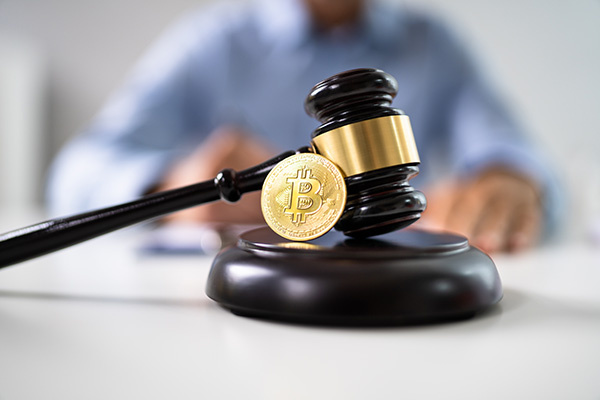
For mobile users, the key takeaway is to understand the custodial model of your wallet. If your wallet holds your private keys and allows direct interaction with decentralized protocols, you are likely outside the scope of these new securities regulations. If your wallet uses a third-party service for staking or airdrop claims, that service is subject to SEC oversight, and your assets may be treated as securities investments. Always review the terms of service for any staking or airdrop feature to determine who is responsible for compliance.
Stablecoin rules and mobile payments
By 2026, the regulatory landscape for stablecoins has shifted from loose oversight to strict reserve and redemption mandates. For mobile wallet users, this change is less about abstract policy and more about the reliability of your daily transactions. New frameworks, heavily influenced by guidance from the SEC, IRS, and the UK’s FCA, require issuers to hold high-quality liquid assets that can be redeemed on demand.
These reserve requirements ensure that the tokens you hold in your mobile app are fully backed, reducing the risk of de-pegging events that can freeze payments. The speed of your transaction remains instant, but the safety net behind it has been significantly strengthened. Users can now send USDC or USDT with the confidence that the underlying asset meets rigorous auditing standards, similar to traditional banking reserves.
To understand how major stablecoins are adapting to these new standards, compare their current compliance structures below. This comparison highlights the shift toward transparency in reserve reporting and redemption mechanisms.
| Stablecoin | Reserve Type | Reporting Frequency | Redemption Speed |
|---|---|---|---|
| USDC | Cash & Treasuries | Monthly | T+1 |
| USDT | Mixed Assets | Quarterly | T+1 |
| DAI | Crypto & Real World | Monthly | Instant |
| FDUSD | Cash & Treasuries | Monthly | T+1 |
Privacy changes under new tax rules
The introduction of IRS Form 1099-DA marks a significant shift in how mobile wallet transactions are treated for tax purposes. Starting in 2025, digital asset exchanges and certain payment processors are required to report specific sales and transactions to the IRS. This requirement fundamentally alters the anonymity that many mobile users have come to expect from decentralized or semi-custodial wallets.
Previously, mobile transactions often functioned like digital cash—private, peer-to-peer, and invisible to tax authorities unless explicitly declared. Under the new framework, every reportable transaction generates a data trail. Even if you use a non-custodial app, if your activity flows through a regulated on-ramp or exchange, that data is captured. The result is a dramatic reduction in transactional privacy for the average mobile user.
Important: Form 1099-DA applies to exchanges and brokers. Self-custody wallets not connected to a reporting entity may not trigger automatic reporting, but users are still legally required to report all taxable events. Ignorance of this rule is not a defense.
For mobile wallet users, this means adjusting expectations around financial privacy. Your transaction history is no longer just a record for your own budgeting; it is a potential audit trail. Users should assume that any interaction with a compliant service provider is logged and reportable. Planning for tax compliance should now be a routine part of using mobile crypto tools, rather than an afterthought.
How to secure your mobile wallet in 2026
New regulations are shifting the burden of proof onto users. With the IRS requiring Form 1099-DA reporting for digital asset sales starting in 2025, your mobile wallet is no longer a private vault—it is a regulated financial terminal. This transition means that your security practices must evolve beyond simple passcodes to include rigorous identity verification and transaction monitoring.
The following steps align your mobile wallet habits with the emerging compliance standards enforced by the SEC and international regulators. These measures protect your assets from both external theft and regulatory scrutiny.
Most modern wallets now support FaceID or fingerprint scanning alongside hardware keys. Regulatory bodies are moving away from password-only security because it is easily compromised. Enabling biometrics creates a unique, non-replicable link between you and your device, satisfying the "strong customer authentication" standards required in many jurisdictions.
Before installing any wallet, check that it is downloaded from the official app store and has minimal required permissions. Scammers often create fake wallets that mimic popular platforms to steal seed phrases. Ensure the app developer matches the official entity listed on the SEC’s or FCA’s approved platforms for digital asset services.
Real-time alerts for every outgoing transaction are essential for compliance. If you cannot monitor your wallet activity instantly, you may miss unauthorized transfers or fail to report taxable events accurately. Set up push notifications for all transactions exceeding a small threshold to catch errors or fraud immediately.
A digital backup is vulnerable to cloud hacks. Write your 12 or 24-word recovery phrase on paper or metal and store it in a physical safe. This is the only way to regain access if your phone is lost or stolen, and it ensures you are not reliant on third-party cloud providers who may not comply with data retention laws.
Many mobile wallets allow connections to decentralized applications (dApps) that request permission to spend your tokens. These permissions can persist indefinitely. Regularly disconnect unused dApps to prevent smart contract vulnerabilities from draining your wallet, a practice increasingly emphasized in regulatory guidance on user responsibility.
By treating your mobile wallet as a regulated entity rather than a casual tool, you safeguard your assets against both technical and legal risks. These steps form the foundation of a compliant security posture for 2026.
No comments yet. Be the first to share your thoughts!