Budget crypto wallets: balancing price, age, and condition
Choosing a budget crypto wallet in 2026 means accepting tradeoffs between initial cost, device longevity, and physical condition. While premium hardware wallets offer robust secure elements, entry-level options can still provide essential cold storage if you prioritize function over flair.
The primary risk with budget devices is the lifespan of their internal components. Lithium batteries in older or cheaper models may degrade faster, requiring replacement or rendering the device unusable within a few years. Additionally, budget firmware updates may lag behind security patches, leaving these wallets slightly more exposed to emerging threats compared to top-tier competitors like the Ledger Stax or Tangem.
When shopping, look for devices from reputable manufacturers rather than obscure generic brands. A slightly higher upfront cost often covers better build quality and longer-term software support. Avoid refurbished units unless they come with a verified warranty, as compromised hardware can lead to irreversible fund loss.
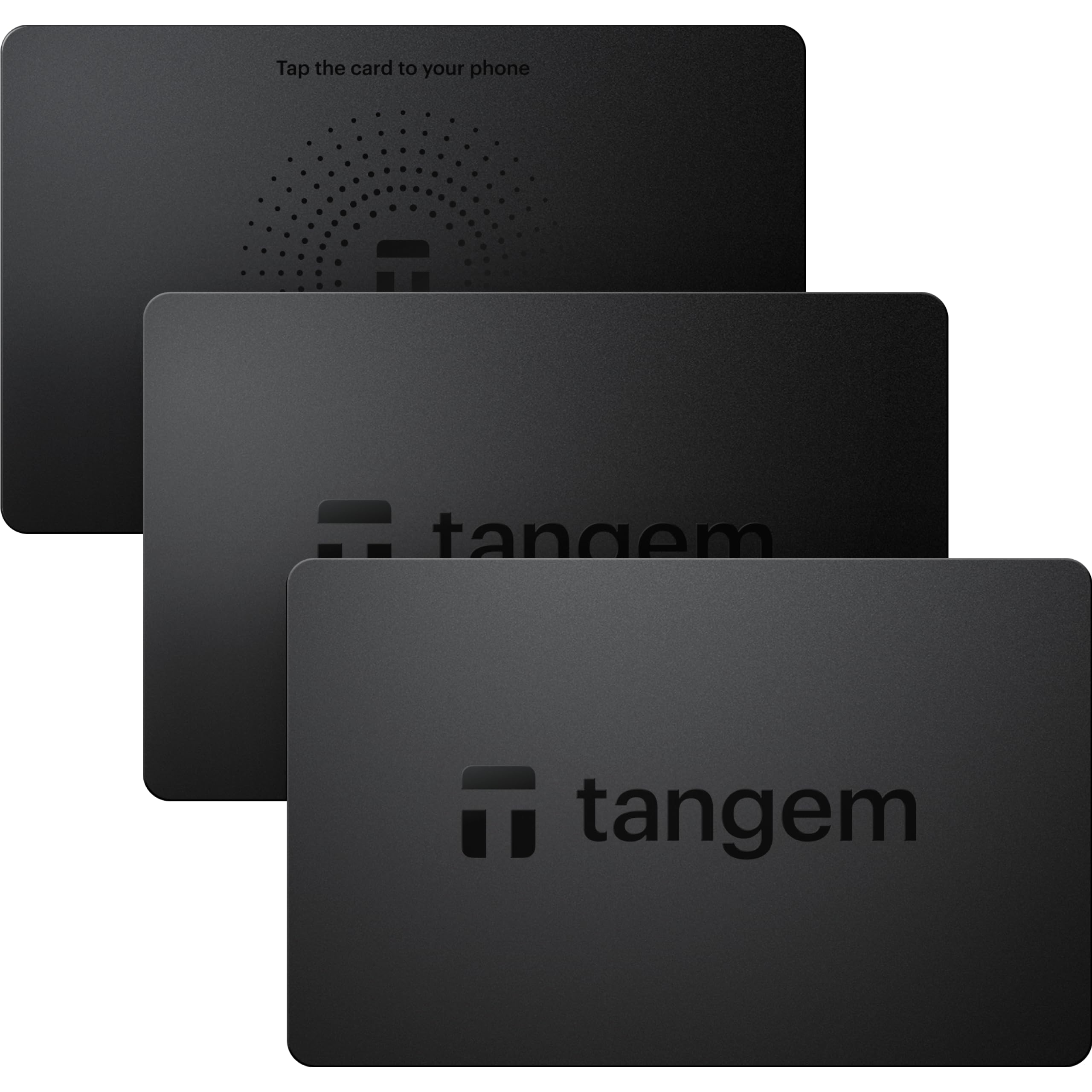
- Simple tap-to-pay interface
- No battery required
- Durable card format
As an Amazon Associate, we may earn from qualifying purchases.
Shortlist real options
Choosing a crypto wallet in 2026 means balancing security, ease of use, and specific feature needs like staking or AI integration. There is no single perfect wallet, but several options stand out for different use cases. The following comparison highlights the strongest contenders based on current market data and expert evaluations.
Ledger Stax
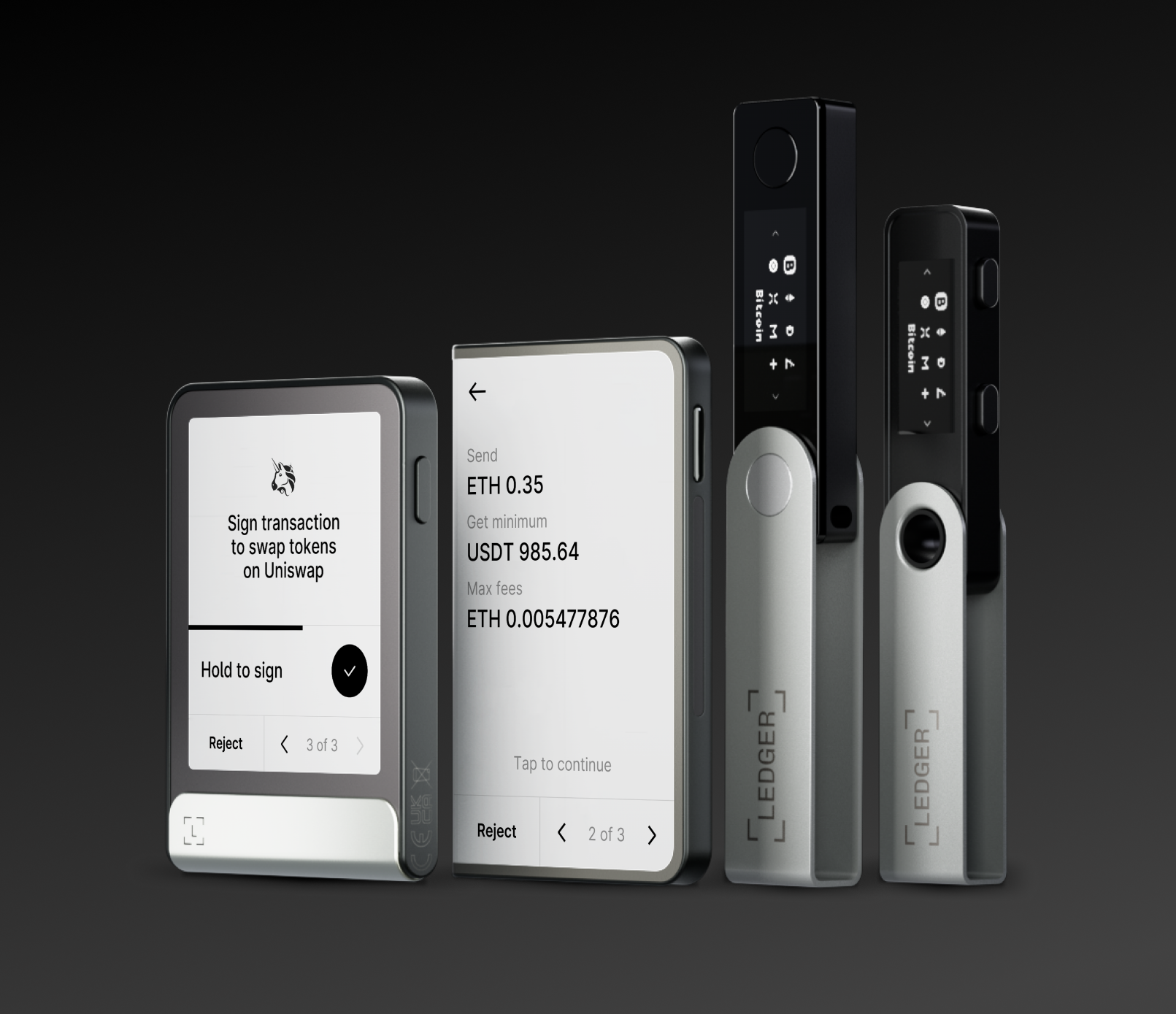
Ledger Stax remains a top choice for users prioritizing offline key storage. It combines a secure element hardware chip with an easier-to-use interface than many competitors, making it suitable for both beginners and experienced holders. Its E Ink touchscreen allows for transaction signing without connecting to a computer, reducing exposure to online threats.
MetaMask
MetaMask continues to dominate the mobile and browser extension space for Ethereum and Layer 2 solutions. It is a popular non-custodial wallet that supports ERC-20 tokens and a wide range of decentralized applications. While highly versatile, its software-only nature requires users to be diligent about seed phrase security and phishing attempts.
FoxWallet
FoxWallet offers a streamlined non-custodial experience for users who want simplicity without sacrificing control. It is designed for quick access to multiple blockchains and integrates features that appeal to users interested in modern wallet functionalities. Its interface is clean, making it a strong option for those who prioritize usability over complex hardware setups.
Trust Wallet
Trust Wallet is a widely used mobile wallet that supports a vast array of cryptocurrencies and tokens. It is non-custodial, meaning users retain full control of their private keys. It is particularly well-suited for mobile-first users who need a reliable, free option for managing diverse crypto assets on the go.
Coinbase Wallet
Coinbase Wallet provides a self-custody solution for users who want to interact with DeFi and NFTs without relying on a centralized exchange. It supports a broad range of assets and integrates seamlessly with the Coinbase ecosystem for those who also use the exchange for trading. It offers a user-friendly experience for navigating the web3 space.
| Wallet | Type | Primary Strength | Best For |
|---|---|---|---|
| Ledger Stax | Hardware | Offline Security & E Ink | High-value storage |
| MetaMask | Software | Ethereum & dApps | DeFi & NFTs |
| FoxWallet | Software | Simplicity & Speed | Quick transactions |
| Trust Wallet | Mobile | Multi-chain Support | Mobile users |
| Coinbase Wallet | Software | Ecosystem Integration | Coinbase users |
Key Considerations
When selecting a wallet, consider your primary use case. For large holdings, hardware wallets like Ledger Stax offer the highest security. For active trading and DeFi interaction, software wallets like MetaMask or Coinbase Wallet provide greater convenience. Always verify the official website before downloading any wallet software to avoid phishing sites.

As an Amazon Associate, we may earn from qualifying purchases.
Inspect the expensive parts
Your crypto wallet is only as strong as its weakest link. When choosing between hardware, software, or self-custody solutions, focus on the specific components that fail most often and cost the most to recover from. This inspection checklist targets the high-stakes failure points: seed phrase security, smart contract exposure, and physical device integrity.
Most wallet recovery failures stem from poor storage, not hacking. Ensure your 12 or 24-word seed phrase is written on metal or fireproof paper, never stored digitally. Check that your recovery process is tested with a small amount of funds before relying on it for your main holdings. A lost seed phrase is a permanent loss of assets.
Software wallets connect to decentralized applications (dApps) daily, often granting unlimited token approvals. Use a tool like Revoke.cash to regularly review and revoke unnecessary permissions. An expired approval allows a compromised dApp to drain your wallet even if your private keys remain secure.

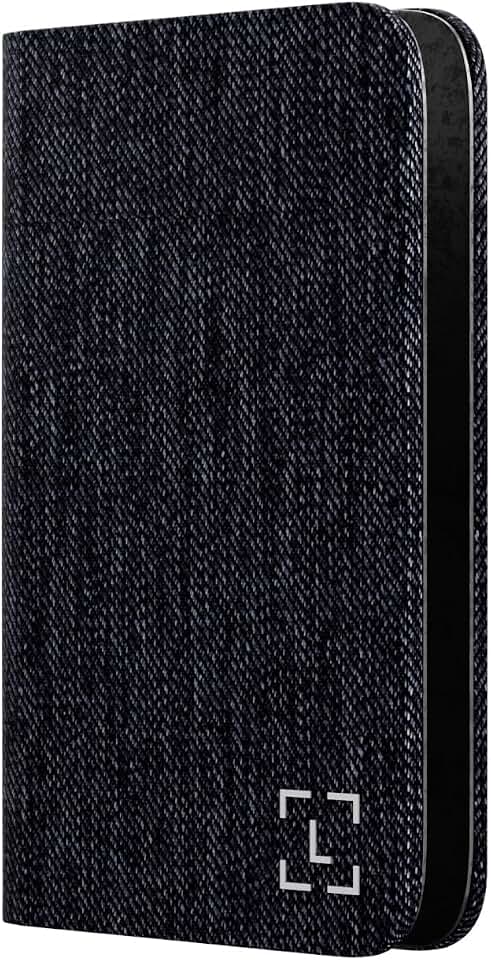
For hardware wallets like Ledger or Trezor, inspect the casing for signs of tampering or unusual weight. Verify the device’s firmware signature against the official manufacturer’s website before connecting. If a device feels modified or the serial number is obscured, do not use it; it may be compromised.

As an Amazon Associate, we may earn from qualifying purchases.
By focusing on these three areas, you mitigate the most common and costly risks. Regular audits and physical inspections are far more effective than waiting for a breach to reveal your vulnerabilities.
Plan for ownership costs
A wallet’s sticker price is rarely the final cost of ownership. The real expense comes from maintenance, security infrastructure, and the time required to keep your keys safe. When evaluating options, look beyond the initial purchase to see what you will spend over the next three to five years.
Hardware wallets require a physical backup strategy. If you lose your seed phrase, your funds are gone forever. Replacing a lost device or creating new backup plates adds to the cost. Software wallets are free but demand constant attention to security updates and phishing protection. The cost here is your time and vigilance.
Some wallets charge fees for staking or swapping assets directly within the interface. These convenience fees can add up quickly if you trade frequently. Compare the fee structure against the potential rewards. A wallet with a higher upfront cost may pay for itself if it offers zero-fee staking or better exchange rates.


As an Amazon Associate, we may earn from qualifying purchases.
When a cheap buy stops being cheap, it is usually because you paid for convenience at the expense of security or control. A $20 software wallet might seem like a bargain until you realize you need to buy a separate hardware device later to secure significant holdings. Conversely, a $150 hardware wallet might feel expensive until you consider the cost of recovering lost funds or the value of peace of mind. Choose based on the total cost of ownership, not just the checkout price.
Crypto wallets 2026: what to check next
Is a hardware wallet worth it over a hot wallet?
Hardware wallets like Ledger Stax or Tangem are worth it if you hold significant value. They keep your private keys offline, protecting against remote hacks and phishing. Hot wallets (like MetaMask or Coinbase Wallet) are better for frequent trading and interacting with dApps, but they expose your keys to internet threats. Think of a hardware wallet as a safe deposit box and a hot wallet as the cash in your pocket.
Can I lose my crypto if I lose my device?
Yes, if you lose your recovery seed phrase. Your hardware device is just a window to view and sign transactions; the actual keys are stored in your 12-24 word recovery phrase. If you lose your device but have your seed phrase written down securely, you can restore your wallet on any new device. If you lose both the device and the seed phrase, your funds are permanently inaccessible.
Do crypto wallets support staking rewards?
Most non-custodial wallets like Trust Wallet, Phantom, and Ledger support staking directly within the app. You can earn rewards for holding proof-of-stake assets like Ethereum, Solana, or Cardano without moving your funds to an exchange. However, staking often involves locking periods or fees, so check the specific wallet’s terms. Custodial wallets like Coinbase also offer staking, but you don’t control the keys.
Are non-custodial wallets safer than exchange wallets?
Non-custodial wallets (like MetaMask, Trust Wallet, or Ledger) are safer from exchange insolvency or regulatory seizure because you hold the keys. However, you are solely responsible for security. If you click a malicious link or enter your seed phrase into a fake site, you lose your funds with no recourse. Exchange wallets (custodial) offer password recovery and customer support, but you trust the exchange with your security. For long-term holding, non-custodial is generally preferred for its sovereignty.
No comments yet. Be the first to share your thoughts!