Crypto wallet 2026 budget
Choosing a crypto wallet in 2026 means balancing upfront cost against long-term security. The price you pay today often reflects the durability of the hardware and the complexity of the security architecture inside. A cheap device might save money initially, but it can become a liability if it lacks proper isolation for your private keys.
Budget wallets under $50, like the SafePal S1 Pro, offer solid entry points for holding smaller amounts of crypto. They rely on air-gapped QR code communication rather than Bluetooth or USB, which reduces attack vectors but requires more manual steps. For larger holdings, spending $80 to $150 on a Ledger or Trezor device provides a dedicated secure element chip. This hardware-level separation is the primary reason these devices remain the standard for serious self-custody.
When evaluating price, look at the total cost of ownership. Does the device support the specific tokens you plan to hold? A cheaper wallet that requires complex workarounds for new assets is more expensive in time and risk than a premium device with native support. Prioritize security features over sleek design or extra connectivity options like NFC, which can introduce unnecessary vulnerabilities if not managed correctly.
Shortlist real options
Choosing the best crypto wallet in 2026 requires balancing security, asset support, and daily usability. The market has shifted toward hardware wallets that integrate seamlessly with DeFi protocols while maintaining offline key storage. Below are the strongest contenders based on current industry standards and user testing.
Ledger Flex
Ledger Flex is widely considered the best overall crypto wallet in 2026. It features an E Ink touchscreen that improves readability compared to older models. The device offers an ideal blend of daily functional utility and robust security through its Secure Element chip. It supports a wide range of DeFi protocols and Layer 1 networks, making it a versatile choice for active traders.
Ledger Stax
Ledger Stax is the best option for users who prioritize offline key storage with a premium interface. It introduces a curved E Ink display that allows for personalized lock screens and clearer transaction verification. The device combines this advanced interface with the same high-grade security hardware found in other Ledger products. It is particularly suitable for those who want a distinct, high-end feel without compromising on security standards.
Trezor Safe 5
Trezor Safe 5 remains a top contender for users seeking a cost-effective and highly secure solution. The community often cites Trezor for its strong security reputation and open-source software. It is particularly noted for its support for offline seed generation, which adds an extra layer of privacy. While it may support fewer DeFi protocols than Ledger, its reliability and cost-effectiveness make it a solid choice for long-term holders.
Tangem
Tangem offers a unique card-based form factor that simplifies the onboarding process. Unlike traditional hardware wallets, Tangem cards do not require a screen; transactions are confirmed via NFC on a smartphone. This design makes it exceptionally user-friendly for beginners or those who want to avoid carrying a dedicated device. It is gaining popularity for its durability and ease of use, though it may lack the advanced DeFi integration of screen-based wallets.
| Wallet | Best For | Key Feature |
|---|---|---|
| Ledger Flex | Overall Utility | E Ink Touchscreen |
| Ledger Stax | Premium Interface | Curved Display |
| Trezor Safe 5 | Security & Cost | Offline Seed Gen |
| Tangem | Simplicity | Card Form Factor |


As an Amazon Associate, we may earn from qualifying purchases.
Inspect the expensive parts
Choosing a crypto wallet is less about finding the cheapest option and more about avoiding the single point of failure that could cost you everything. Most users focus on interface design or token support, but the real value lies in how the hardware handles physical damage, firmware updates, and seed phrase recovery. If you ignore these inspection points, you are gambling with your assets rather than securing them.
Follow this checklist to vet any hardware wallet before purchase. These steps target the failure modes that lead to permanent loss or theft.
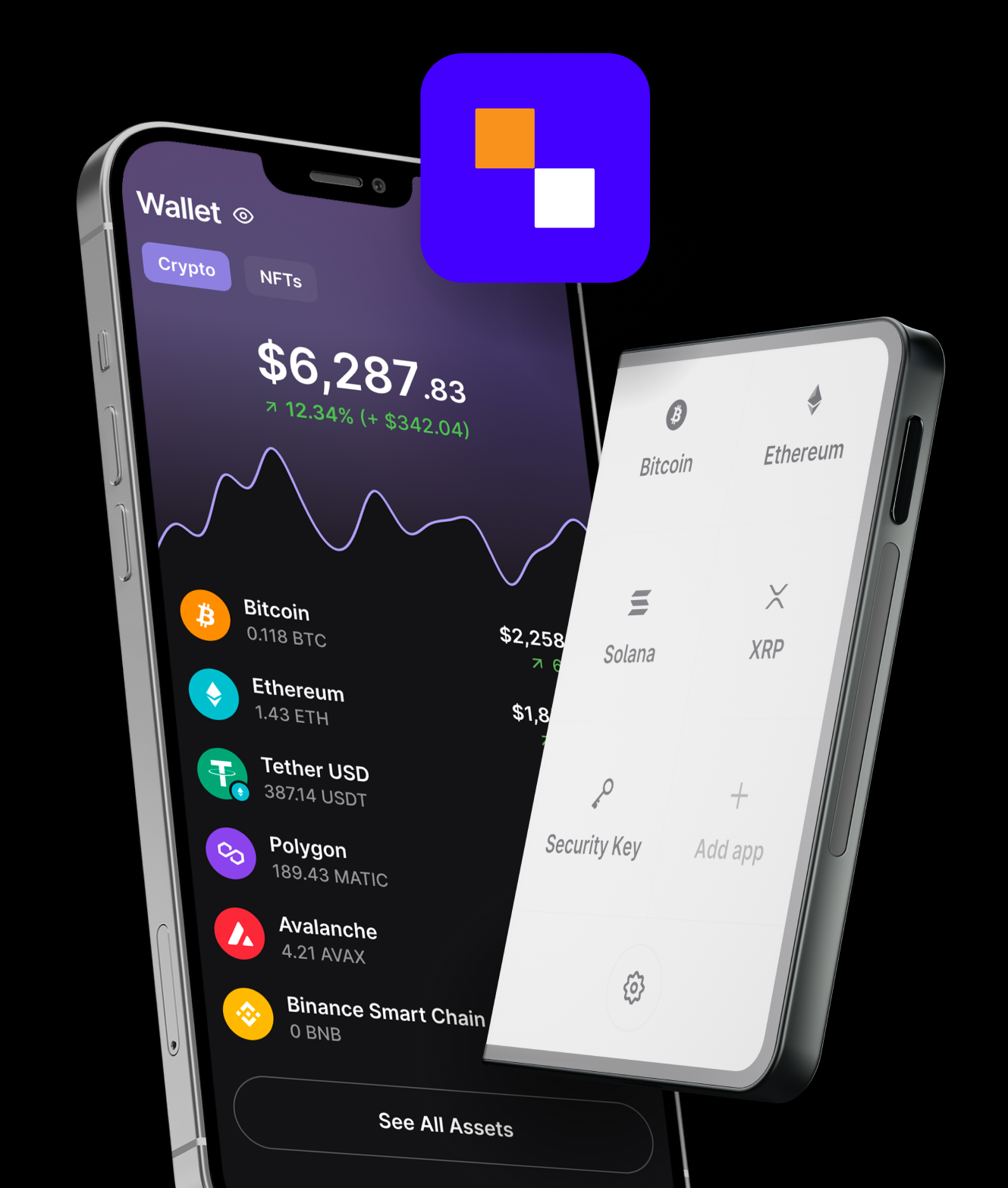
Look for a dedicated secure element (SE) chip, such as those certified by Common Criteria or FIPS. This chip isolates your private keys from the rest of the device’s operating system. Without an SE, malware on your connected computer can potentially extract keys if the device is compromised. Ledger devices and the Trezor Safe 5 both use certified chips, which is a non-negotiable baseline for 2026.

Paper seed phrases are vulnerable to fire, water, and theft. Premium wallets like the Ledger Stax or BitBox02 offer encrypted microSD backups or Shamir Secret Sharing. These methods let you split your recovery data across multiple devices or locations. If a wallet only supports a 12 or 24-word paper backup, it lacks the redundancy needed for high-value holdings.
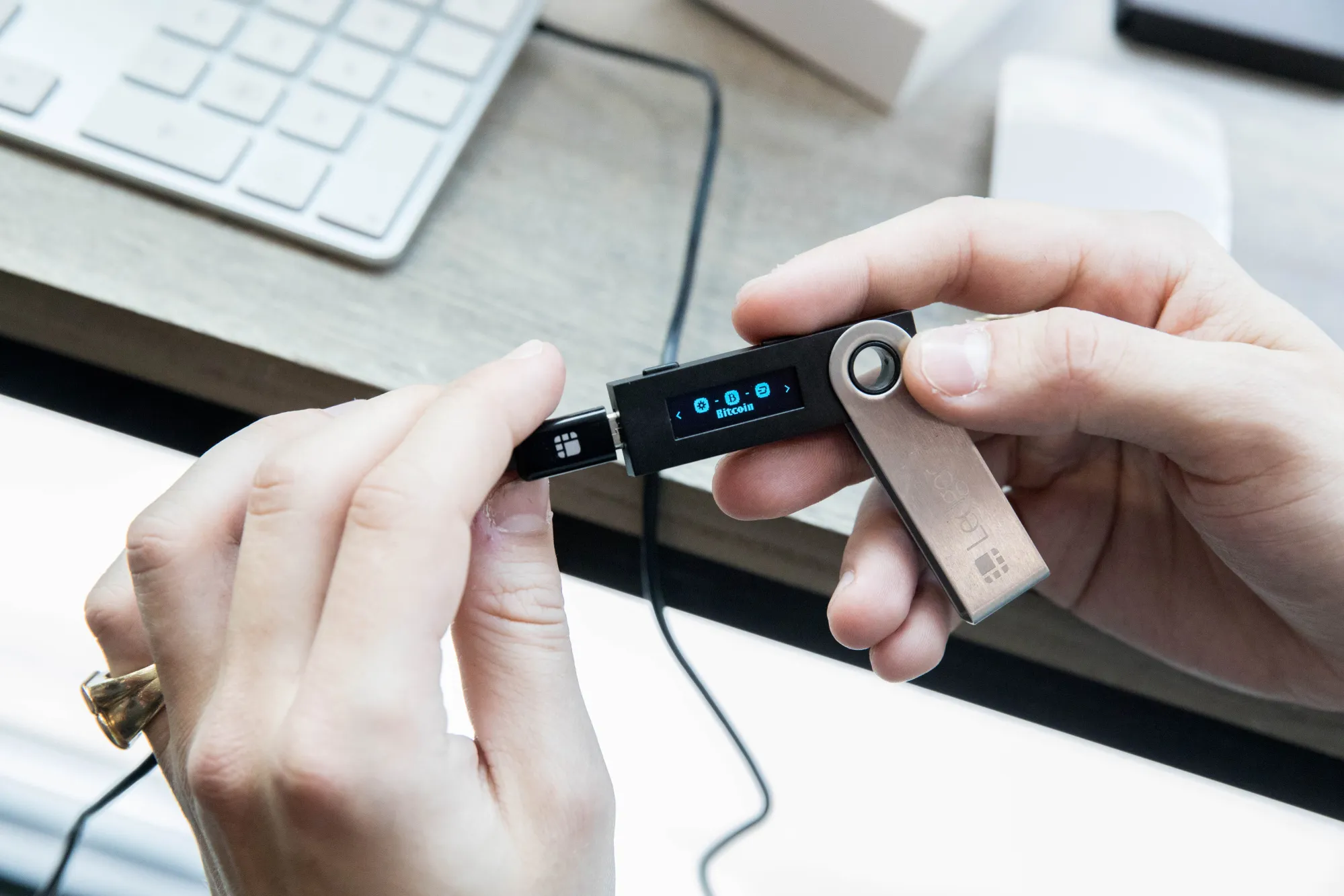
Open-source firmware allows the security community to audit the code for backdoors or vulnerabilities. Trezor and Ledger publish their source code, enabling independent verification. Proprietary, closed-source devices hide their inner workings from experts. In high-stakes security, you need transparency, not a black box you are forced to trust blindly.
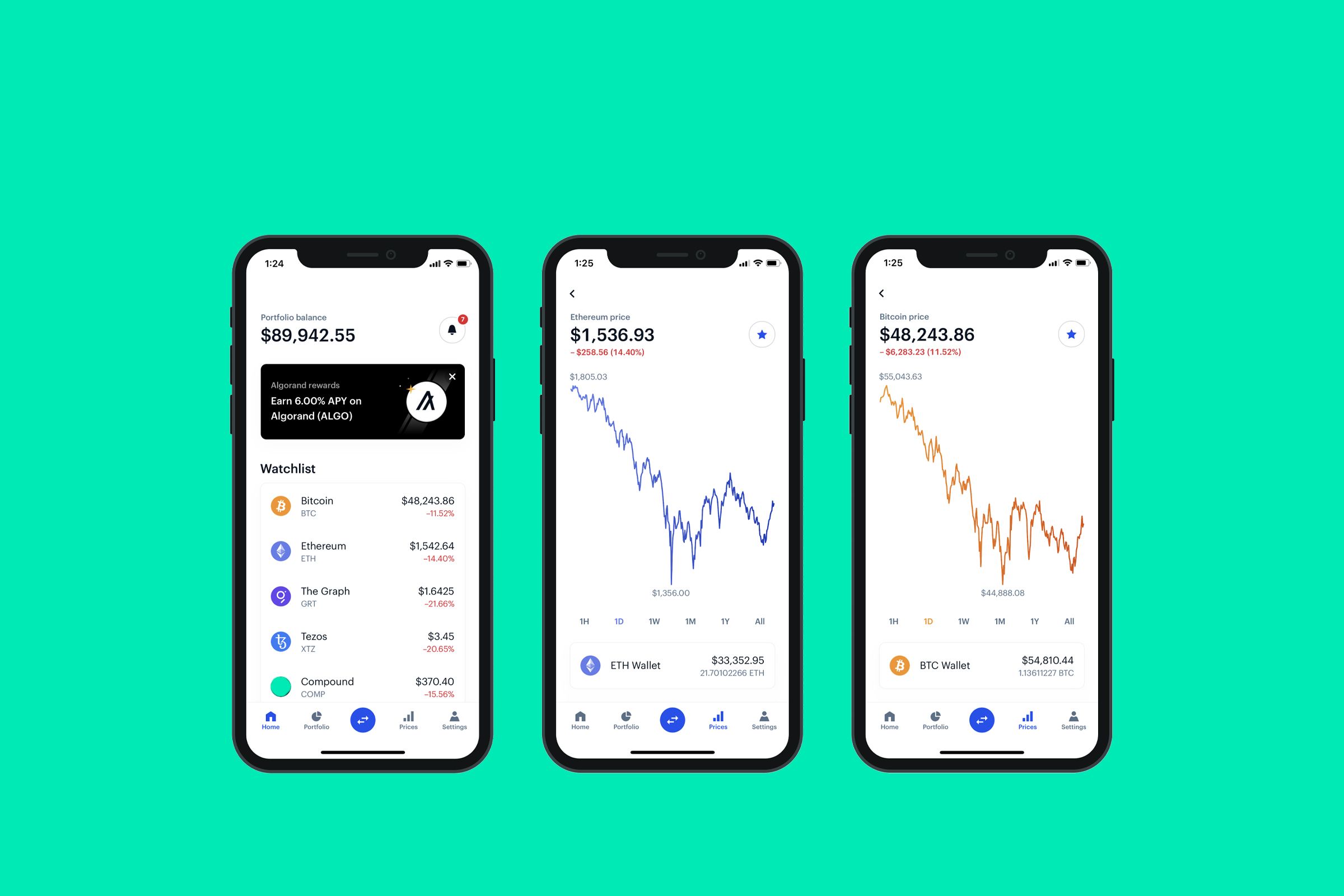
The hardware is only as strong as the software that talks to it. Check if the companion app requires strict permissions and uses secure enclaves to communicate with the device. Apps that request unnecessary access or fail to verify device fingerprints are red flags. The best wallets, like those from Ledger or Trezor, maintain strict communication protocols that prevent unauthorized transactions.


As an Amazon Associate, we may earn from qualifying purchases.
Plan for ownership costs
A crypto wallet is a durable good, not a consumable. The purchase price is just the entry fee; the real cost comes from what you spend to keep it functional and secure over time. When evaluating options, look past the sticker price and consider the maintenance surprises that can turn a cheap buy into a liability.
Firmware and software updates
Hardware wallets like the Ledger Flex and Trezor Safe 5 require periodic firmware updates to maintain security against new attack vectors. While the updates themselves are free, they demand your time and attention. Neglecting these updates can leave your keys vulnerable, effectively making the "cheaper" wallet more expensive in terms of potential loss. Software wallets, such as MetaMask, also require constant app updates to stay compatible with evolving DeFi protocols.
Subscription services and cloud fees
Some wallets offer premium features like multi-signature management, institutional-grade custody, or advanced analytics through subscription models. These recurring costs add up over years. For most individual traders, a one-time hardware purchase is more economical than a monthly SaaS fee. Always check if the companion app or security features require a paid tier to unlock essential functionality.
Insurance and recovery options
If you lose access to your device, recovery is not always free. Some manufacturers offer paid recovery services or insurance policies that cover theft or loss. While these add to the initial cost, they provide a safety net for significant holdings. For smaller amounts, the cost of insurance may outweigh the benefit, but for high-value portfolios, this is a critical line item in your ownership budget.


As an Amazon Associate, we may earn from qualifying purchases.
Hidden hardware costs
Sometimes the wallet itself is cheap, but the accessories are not. You may need a separate secure device for managing keys, a specialized USB-C cable, or even a secure storage box for the recovery seed. These ancillary costs can add up, especially if you are building a multi-layered security setup. Factor these into your total cost of ownership before deciding on a budget option.
When cheap stops being cheap
A $20 wallet may seem like a bargain, but if it lacks a secure element or has a history of vulnerabilities, the cost of a single compromised transaction can far exceed the savings. In the world of crypto, security is the primary feature. Investing in a reputable, well-maintained wallet is often the most cost-effective strategy in the long run, as it minimizes the risk of catastrophic loss.
Crypto wallet 2026: what to check next
Addressing common concerns helps narrow down the right wallet for your specific needs, whether you prioritize mobile accessibility or maximum offline security.
What crypto to hold in 2026?
Ripple (XRP) is gaining significant adoption among financial institutions and is widely considered one of the best crypto tokens to invest in this market cycle. Currently trading near $1.17 and oscillating close to its key EMAs, XRP remains a focal point for institutional interest. However, if selling pressure persists and Bitcoin breaks lower, XRP could test the next major support level near $1.10.
What is the best cold wallet for crypto in 2026?
For most users, Ledger Flex is the best overall crypto wallet in 2026, offering an ideal blend of readability and daily utility. Trezor Safe 5 is also a strong contender, particularly for those prioritizing cost-effective offline seed storage. While Trezor offers robust security, Ledger generally provides broader support across DeFi protocols and new Layer 1 blockchains.
Which is better: hot wallet or cold wallet?
The choice depends on your trading frequency. Hot wallets like MetaMask are ideal for frequent DeFi interactions and mobile trading, offering seamless integration with browser extensions and mobile apps. Cold wallets, such as Ledger or Trezor devices, are better suited for long-term holding, keeping your private keys entirely offline to mitigate hacking risks.
Can I use one wallet for multiple blockchains?
Yes, most modern wallets support multiple blockchains. MetaMask is the leading non-custodial wallet with strong mobile and browser support, compatible with Ethereum and EVM-based chains. For Solana, Solflare is a dedicated option. Multi-chain wallets like Bitget Wallet or Coinbase Wallet allow you to manage assets across various networks without switching applications.
No comments yet. Be the first to share your thoughts!