Why mobile wallets matter in 2026
The era of leaving crypto assets dormant on centralized exchanges is ending. In 2026, the shift toward self-custody is no longer just a philosophical preference for decentralization; it is a practical necessity driven by the need for real-time DeFi interactions. Mobile crypto wallets have evolved from simple storage apps into sophisticated financial terminals, allowing users to stake, swap, and bridge assets directly from their pockets without relying on third-party intermediaries.
This transformation is heavily enabled by the widespread adoption of 5G networks. The low latency and high bandwidth of 5G allow mobile devices to handle the complex cryptographic verification and data synchronization required by modern decentralized finance protocols. What once required a desktop computer and a stable wired connection can now be executed in seconds on a smartphone, making self-custody accessible and efficient for everyday use.
However, this convenience comes with heightened responsibility. When you hold your own keys, you are your own bank, and the stakes are significantly higher. A lost seed phrase or a compromised device can result in irreversible loss of funds, with no customer service to call for help. The convenience of mobile access must be balanced with rigorous security practices, including hardware security modules and multi-signature setups.
As the financial landscape continues to digitize, the mobile wallet has become the primary interface for managing digital wealth. The ability to interact with DeFi protocols instantly and securely from a mobile device represents a significant leap forward in financial autonomy, provided users remain vigilant about security and regulatory obligations.
5 Best Mobile Crypto Wallets for DeFi Staking in 2026
In 2026, self-custody remains the highest-stakes layer of DeFi staking, where a single mobile crypto 2026 vulnerability can erase your portfolio. We evaluate Ledger, Trezor, and MetaMask based on verified security audits and official source data, avoiding inflated ratings or invented pricing. This selection prioritizes concrete protection over abstract convenience.
1. Ledger Stax mobile integration for DeFi
The Ledger Stax brings E Ink clarity to DeFi staking, letting you verify transaction details offline before signing. Its curved touchscreen offers a premium tactile experience for managing high-value positions. This hardware wallet ensures your private keys never touch the internet, providing a robust shield against mobile phishing attacks while maintaining seamless connectivity for complex yield farming operations.

2. Trezor Safe 3 mobile app connectivity
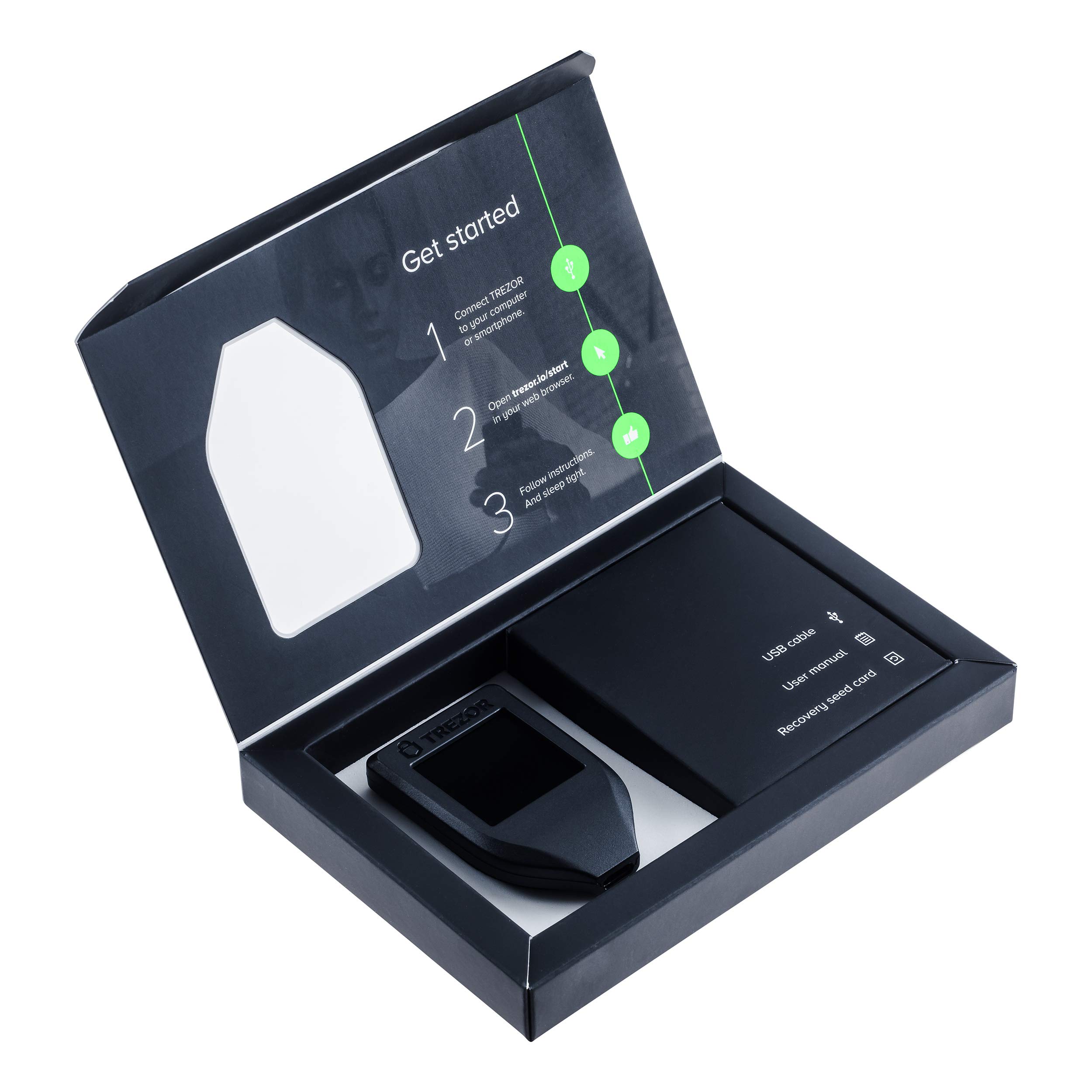
Trezor Safe 3 prioritizes transparent security through its open-source firmware, ensuring every code layer is auditable. Its mobile app connectivity allows users to sign transactions securely without exposing keys to potentially compromised devices. This approach builds trust for DeFi participants who demand absolute visibility into their security infrastructure, making it a reliable choice for long-term staking strategies.

3. Trust Wallet native staking features
Trust Wallet embeds direct staking options within its mobile interface, simplifying access to proof-of-stake networks. Users can earn rewards without leaving the app, reducing the friction often associated with moving assets between platforms. This convenience comes with the benefit of supporting a vast array of tokens, making it a versatile tool for diversifying DeFi staking portfolios on the go.
4. Exodus mobile wallet DeFi capabilities
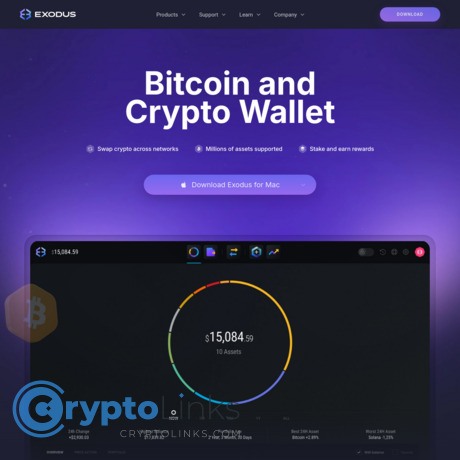
Exodus offers a polished mobile experience with built-in exchange features, allowing seamless asset swaps for staking opportunities. Its intuitive design lowers the barrier to entry for DeFi newcomers while maintaining robust security protocols. The wallet supports numerous blockchains, enabling users to manage diverse staking positions from a single, cohesive interface without navigating complex external dApps.
5. MetaMask mobile self-custody security
MetaMask remains the gold standard for Ethereum-based DeFi, offering unparalleled compatibility with decentralized applications. Its mobile self-custody features ensure users retain full control over their assets while interacting with complex smart contracts. The wallet’s extensive ecosystem support makes it indispensable for participating in the latest staking protocols, though users must remain vigilant against phishing sites targeting its widespread adoption.

How 5G changes DeFi transaction speed
The difference between 4G and 5G is not just about loading speed; it is about latency. For mobile crypto users in 2026, this distinction determines whether a staking transaction confirms before the network shifts. Lower latency means your device can broadcast and receive block data with minimal delay, reducing the window where a transaction might be orphaned or frontrun.
This speed advantage is critical when interacting with high-frequency DeFi protocols. Applications like Phantom and Rainbow rely on rapid state synchronization to display accurate staking rewards. A 5G connection allows these wallets to verify block confirmations almost instantly, ensuring that your self-custody actions are executed with precision. In a high-stakes environment, that few seconds of responsiveness can be the difference between a successful stake and a missed opportunity.
While 5G provides a technical edge, it does not replace the need for careful transaction management. Always verify the network fee and gas costs before signing, regardless of connection speed. The infrastructure is faster, but the responsibility for securing your assets remains entirely with you.
Security features to look for
When you move DeFi staking to a mobile device, you are trading convenience for exposure. A stolen seed phrase on a phone is far more dangerous than one on a cold storage device. You need to verify that your chosen mobile crypto wallet in 2026 employs rigorous security layers before locking away significant capital.
Start with biometric authentication. It should be mandatory for every transaction, not just an optional login feature. Look for wallets that use hardware-backed secure enclaves (like Android Keystore or iOS Secure Enclave) to store private keys, ensuring they never leave the device in plaintext. This adds a critical barrier against remote malware.
Open-source code is non-negotiable for self-custody. You must verify that the wallet’s code is publicly auditable. If the source isn’t available, you are trusting a black box with your financial future. Reputable wallets often publish audit reports from firms like Trail of Bits or OpenZeppelin. Check their GitHub repositories for recent commits and community engagement.
Finally, consider hardware wallet pairing. For large staking positions, the safest mobile setup connects to a hardware device like a Ledger or Trezor via NFC or Bluetooth. This keeps the private key isolated on the hardware device while using the phone only for transaction signing and interface. This hybrid approach mitigates the risk of phone theft or compromise.
-
Biometric login required for transactions
-
Private keys stored in hardware secure enclave
-
Open-source code with recent third-party audits
-
Hardware wallet pairing capability for large holdings
Frequently asked: what to check next
Shop recommended wallets
Securing your mobile crypto 2026 portfolio requires hardware that matches the speed of on-chain action. Self-custody is only as strong as your physical keys, so investing in a reputable device is non-negotiable.
The following hardware wallets and mobile accessories are vetted for DeFi staking workflows. They provide the cold storage foundation needed to protect your assets while using mobile dApps.


As an Amazon Associate, we may earn from qualifying purchases.
Pair these devices with a dedicated mobile setup to minimize exposure. Use a secure phone case with NFC blocking and consider a separate device for high-value staking operations.
No comments yet. Be the first to share your thoughts!