Best Mobile Crypto Wallets 2026 Budget
Finding a reliable mobile crypto wallet in 2026 doesn’t require a premium price tag, but it does require matching the right tool to your specific needs. The market has split into two distinct categories: free software-only apps for basic storage and trading, and hardware-integrated mobile solutions for serious security.
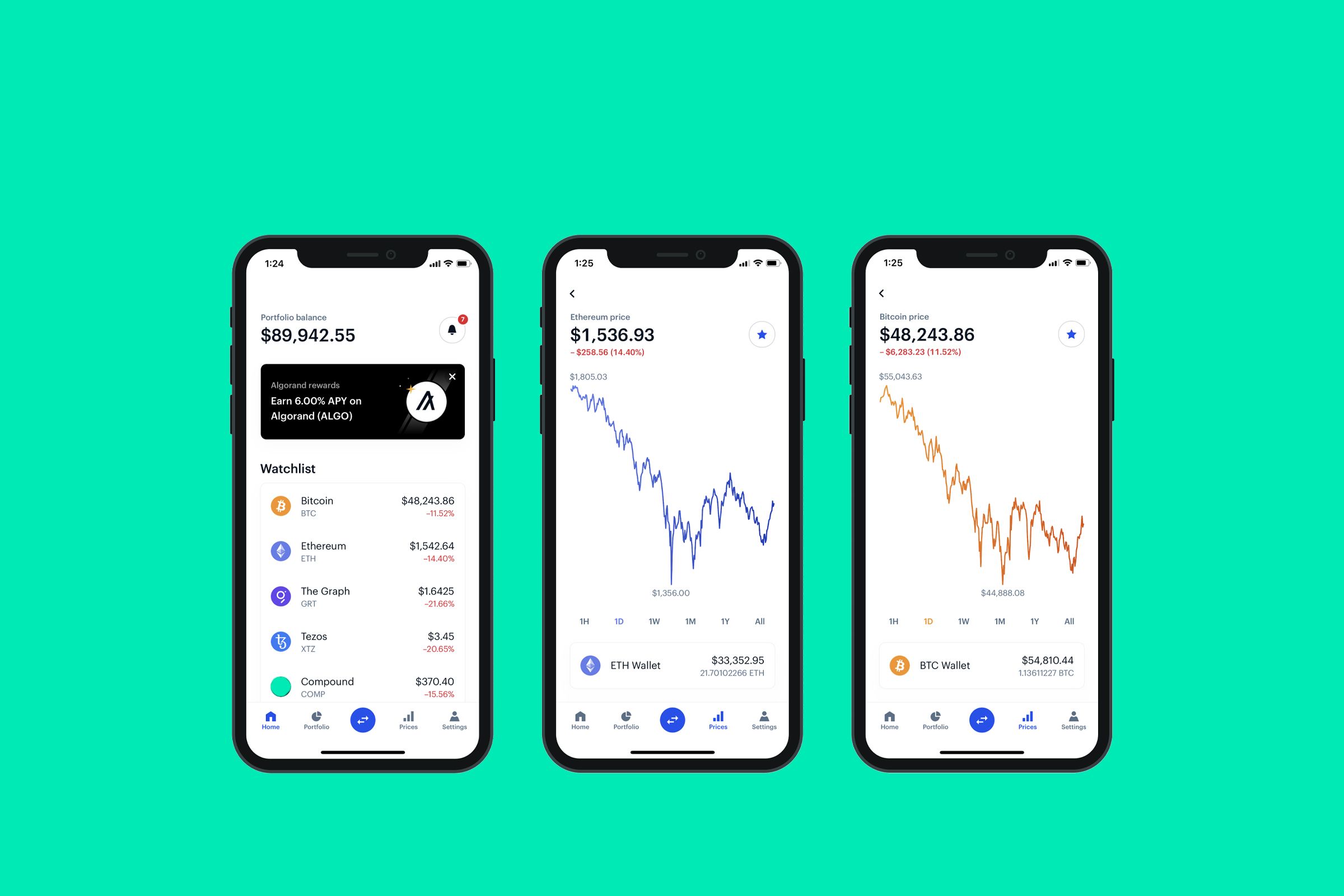
For most users, a free app like Coinbase Wallet or MetaMask provides sufficient functionality for holding assets and interacting with decentralized finance (DeFi) protocols. These platforms remove the friction of transaction fees associated with physical hardware, making them ideal for frequent traders or those managing smaller portfolios. However, this convenience comes with a tradeoff in security posture, as your private keys are stored on your device’s memory rather than a dedicated secure chip.
If your budget allows for a one-time hardware investment, options like Tangem offer a compelling middle ground. Starting around $54.90 for a two-card set, these tap-to-pay cards connect via NFC to your phone, combining the security of a cold wallet with the ease of a mobile app. This approach is particularly effective for users who want to safeguard larger amounts without the bulk of traditional Ledger or Trezor devices.
When selecting a wallet, prioritize security features over flashy interfaces. Look for open-source code verification and clear privacy policies. The following products represent the most reliable options currently available, balancing cost, usability, and security for different user profiles.
Shortlist real options
Choosing the best mobile crypto wallet in 2026 requires matching your trading style with the right balance of security and accessibility. The market has shifted from simple storage to integrated DeFi gateways, meaning the ideal app depends on whether you prioritize institutional-grade cold storage or seamless on-chain interaction.
We compare four leading options below. This table highlights the core trade-offs between hardware-backed security and software-based convenience, helping you select a wallet that fits your risk tolerance and asset portfolio.
| Wallet | Type | Security Model | Best For |
|---|---|---|---|
| Tangem | Hardware/Software | Card-based cold storage | Maximum security for beginners |
| Coinbase Wallet | Software (Hot) | Self-custody seed phrase | DeFi and NFTs |
| Trust Wallet | Software (Hot) | Local encryption | Multi-chain breadth |
| MetaMask | Software (Hot) | Local encryption + Layer 2s | Ethereum ecosystem |
Tangem
Tangem offers a unique approach by replacing traditional seed phrases with durable, EMV-certified cards. The cards store private keys offline, making them immune to remote hacking. You interact with the wallet via NFC on your phone, bridging the gap between cold storage convenience and hot wallet accessibility.
Coinbase Wallet
This is a non-custodial mobile-first wallet that gives you full control over your keys. It excels in usability for decentralized applications (dApps), allowing you to browse, swap, and stake directly within the interface. It is ideal for users who actively engage with DeFi protocols without needing hardware overhead.
Trust Wallet
Owned by Binance, Trust Wallet supports over 70 blockchains natively. It is a true multi-chain hot wallet, meaning you can hold assets across Ethereum, Solana, and BNB Chain in one place. Its built-in DApp browser makes it a strong choice for users who want broad asset coverage without juggling multiple apps.
MetaMask
MetaMask remains the standard for Ethereum and EVM-compatible chains. While it has expanded to support other networks, its core strength lies in its deep integration with the Ethereum ecosystem. It is the go-to choice for users focused on Layer 2 solutions and Ethereum-native DeFi applications.

As an Amazon Associate, we may earn from qualifying purchases.
Inspect the expensive parts
Use this section to make the Best Mobile Crypto Wallets decision easier to compare in real life, not just on paper. Start with the reader's actual constraint, then separate must-have requirements from details that are merely nice to have. A practical choice should survive normal use, maintenance, timing, and budget. If a recommendation only works in an ideal situation, call that out plainly and give the reader a fallback path.
-
Verify the basicsConfirm the core specs, condition, and fit before comparing extras.
-
Price the downsideLook for the repair, maintenance, or replacement cost that would change the decision.
-
Compare alternativesCheck at least two comparable options before treating one listing as the benchmark.
Plan for ownership costs
A wallet’s sticker price is rarely the final cost. Hardware devices like Ledger or Trezor carry upfront fees, while software options may be free but charge network gas fees that spike during congestion. The real expense often comes from hidden maintenance: replacing lost seed phrases, paying for hardware upgrades, or covering the premium of a multi-sig setup for high-value holdings.
Consider the Tangem card at $54.90 for a two-card set. While cheaper than many Ledger models, you must factor in the cost of buying a second card if the first is lost or damaged. Similarly, MetaMask is free to download, but its reliance on third-party bridges for cross-chain swaps can incur higher transaction fees than native chain interactions. Always check the total cost of ownership over three years, not just the initial purchase.
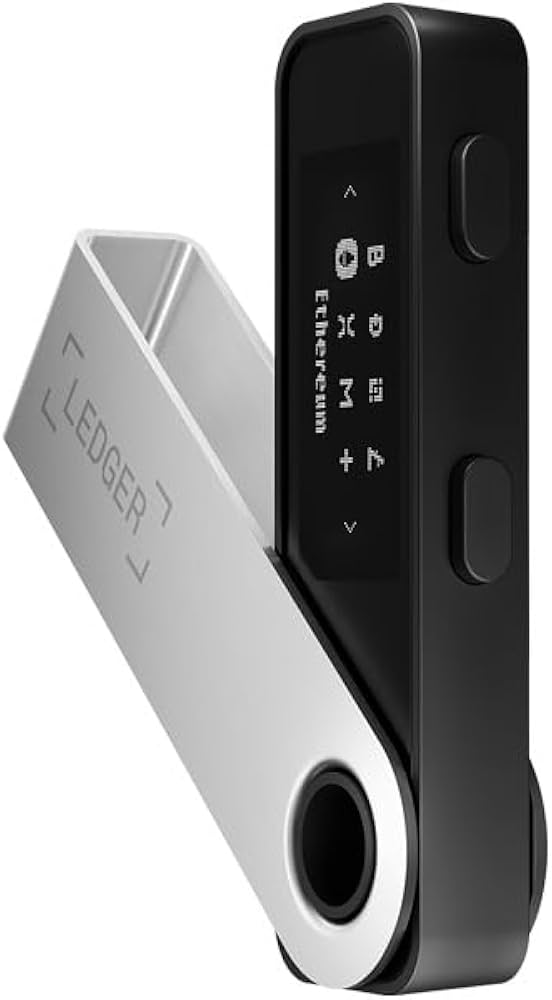
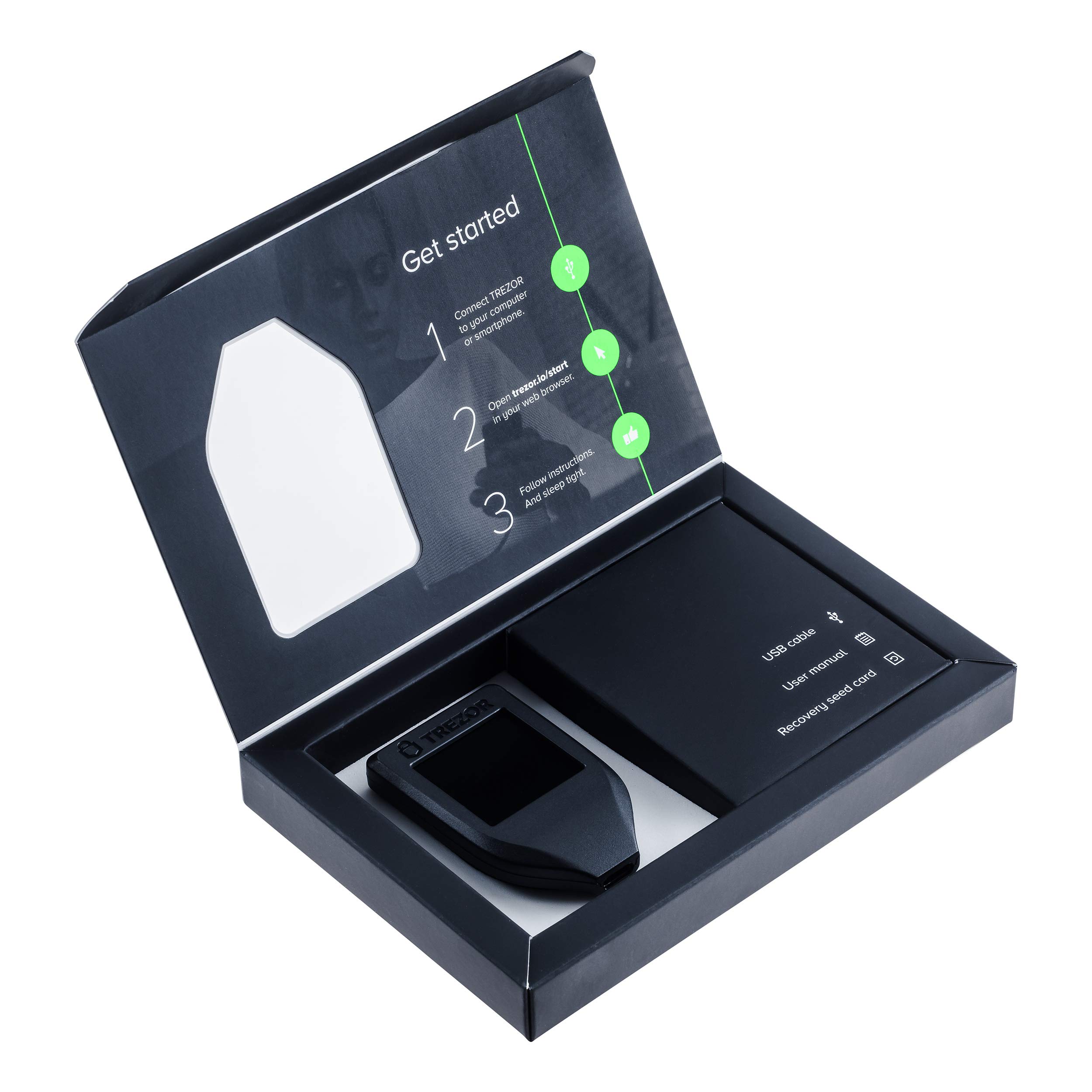
For most users, the cheapest option is not the best value if it lacks hardware security. A $70 Trezor Model T offers built-in screen verification, reducing the risk of phishing attacks that could cost thousands in stolen assets. Compare this against a free software wallet where a single click on a malicious link can drain your funds with no recourse.
As an Amazon Associate, we may earn from qualifying purchases.
When choosing, prioritize security features that prevent catastrophic loss over minor price differences. A $20 premium for a device with a verified secure element is often worth it to protect assets that could otherwise be stolen in seconds.
Mobile crypto wallets 2026: what to check next
Which mobile wallet is safest for self-custody?
MetaMask and Coinbase Wallet lead the self-custody category by giving you direct control over your private keys. MetaMask offers the broadest multi-chain support, while Coinbase Wallet provides a more intuitive interface for beginners. Tangem wallets add physical security by storing keys on NFC-enabled cards, which are harder to hack remotely than software-only solutions.
Do mobile crypto wallets support DeFi and AI tools?
Yes. Modern wallets like OKX Wallet and Rabby integrate directly with decentralized exchanges (DEXs) and lending protocols. Many now include AI-driven portfolio trackers and scam-detection features that scan transaction data before you sign. These tools help you navigate complex DeFi interactions without leaving your phone.
Can I use one wallet for all my cryptocurrencies?
Most top picks support multiple chains, but no single wallet covers every asset perfectly. MetaMask handles Ethereum and EVM-compatible chains natively, while Trust Wallet supports over 70 blockchains. If you hold Bitcoin or Solana exclusively, a specialized wallet like Phantom or Exodus may offer better performance and lower fees than a multi-chain generalist.
Are mobile wallets free to use?
The software itself is typically free, but you still pay blockchain network fees (gas) for every transaction. Some wallets, like Tangem, charge for the physical card hardware. Always check if a wallet charges hidden spread fees on swaps, as this can significantly impact your returns over time.
No comments yet. Be the first to share your thoughts!