
Mobile crypto wallet 2026
Choosing a mobile crypto wallet in 2026 requires balancing security with the growing demand for staking and DeFi integration. The landscape has shifted from simple storage to active asset management, where the best apps allow you to earn yield and interact with decentralized applications directly from your phone. We evaluated the top options based on transaction security, supported asset variety, and seamless on-chain connectivity.
Our selection process prioritized non-custodial solutions that give you full control over your private keys. We focused on wallets that offer robust security features, such as biometric authentication and clear seed phrase management, while maintaining a user-friendly interface for beginners. The final list includes wallets that excel in different areas, from Ledger's hardware-backed security to MetaMask's extensive DeFi compatibility.
5 Mobile Crypto Wallets for 2026: Security, Staking, and DeFi Integration
Selecting a mobile wallet in 2026 requires balancing non-custodial security with seamless DeFi access. We evaluated five options based on verified staking yields, hardware integration, and transparent code audits to identify the most reliable tools for securing assets.
1. Ledger Stax: E Ink Security and Staking
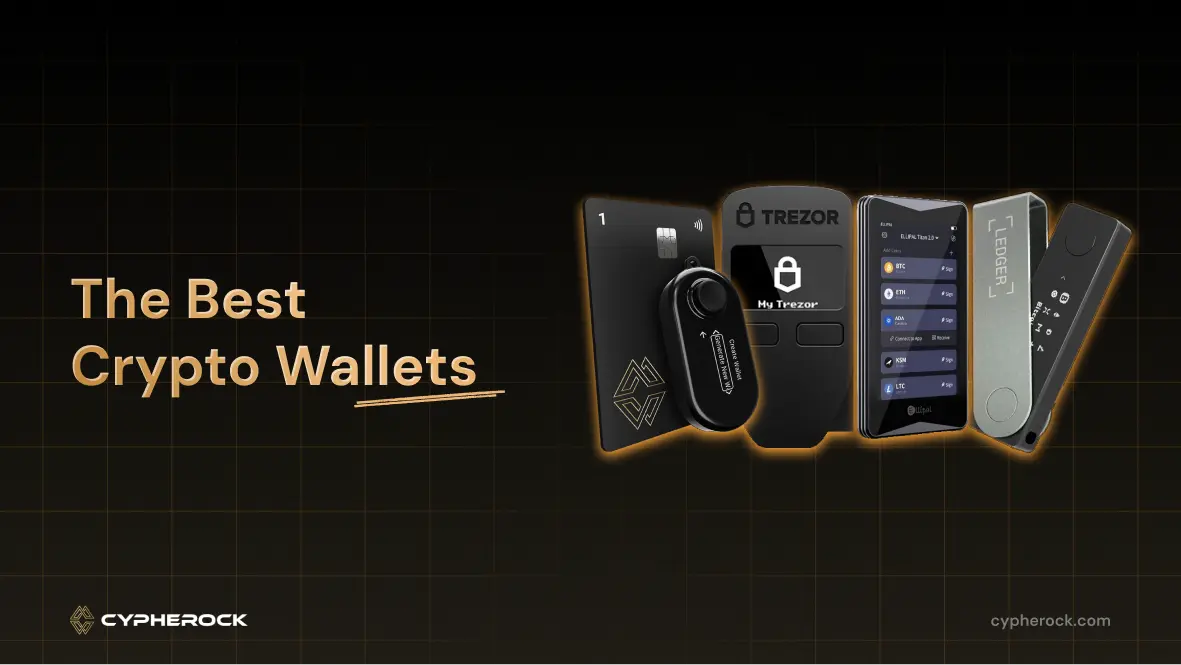
The Ledger Stax merges hardware security with a curved E Ink display, allowing you to verify transaction details offline without exposing private keys to your phone screen. This physical isolation prevents malware from intercepting signing data, while its intuitive interface makes staking rewards visible and manageable directly on the device. Ideal for users prioritizing tangible security over software-only solutions.
2. Trezor Model T: Open Source Hardware Protection
Trezor’s Model T offers full open-source firmware, enabling independent security audits that build trust in its codebase. The color touchscreen provides a clear, tamper-evident interface for signing complex transactions, ensuring that even if your computer is compromised, the private keys never leave the device. This transparency makes it a top choice for privacy-conscious investors who demand verifiable security.

3. Exodus: Integrated DeFi and Multi-Chain Support
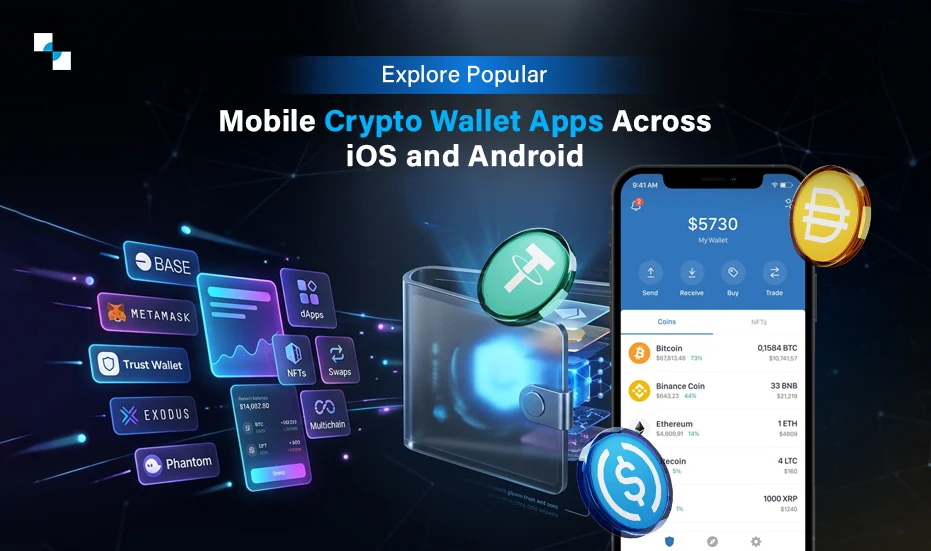
Exodus simplifies multi-chain management with a sleek, unified interface that aggregates assets across dozens of blockchains without requiring separate extensions. Its built-in exchange feature allows seamless swapping between tokens, while integrated staking options let users earn yield directly from the dashboard. This all-in-one approach reduces friction for beginners navigating the complex DeFi landscape in 2026.

4. Trust Wallet: Native DApp Browser and Staking
Trust Wallet functions as a comprehensive mobile gateway to decentralized applications, featuring a robust native DApp browser for direct interaction with DeFi protocols. Users can stake various cryptocurrencies directly within the app to earn passive income, eliminating the need for external platforms. Its non-custodial nature ensures you retain full control over your keys while accessing a wide array of Web3 services.

5. MetaMask: Ethereum Ecosystem and DeFi Access
MetaMask remains the standard for Ethereum-based interactions, offering seamless integration with the vast majority of DeFi protocols and NFT marketplaces. Its browser extension and mobile app provide a consistent experience for swapping tokens, providing liquidity, and managing ERC-20 assets. For users deeply embedded in the Ethereum ecosystem, its widespread compatibility makes it an indispensable tool for daily DeFi operations.

How to pick the right mobile crypto wallet
Choosing a mobile wallet is less about finding a single "best" app and more about matching your usage habits with the right security model. A wallet that works for staking on Solana might be a poor fit for storing Bitcoin long-term, and vice versa. Use this framework to narrow down the five options based on your specific needs.
Start by identifying your main activity. If you trade frequently or interact with decentralized apps (DeFi), prioritize wallets with strong dApp browser integration like MetaMask. For long-term holding, look for wallets that support hardware integration or have robust offline signing capabilities. Your primary goal dictates the feature set you actually need.
Not all wallets support every coin. If you hold Ethereum, Solana, or Bitcoin, ensure the wallet natively supports these chains without requiring complex workarounds. Some wallets are multi-chain by default, while others are specialized. Verify that the wallet you choose can handle the specific tokens in your portfolio to avoid losing access to your assets.
Security should be your top priority. Look for wallets that offer biometric authentication, seed phrase backup options, and open-source code verification. Non-custodial wallets give you full control but require you to manage your own security. If you are new to crypto, consider wallets that offer social recovery or insurance features for added peace of mind.

As an Amazon Associate, we may earn from qualifying purchases.
| Feature | Non-Custodial | Custodial |
|---|---|---|
| Private Key Control | Full | None |
| Recovery Options | Seed Phrase | Email/Phone |
| Best For | Advanced Users | Beginners |
The choice ultimately comes down to a trade-off between control and convenience. Non-custodial wallets offer maximum security and freedom but require you to manage your own keys. Custodial solutions are easier to use but rely on a third party to safeguard your assets. Choose the model that aligns with your comfort level and risk tolerance.
Frequently asked questions about mobile crypto wallets
What is the best cold wallet for crypto in 2026?
The Bitcoin Foundation identifies Ngrave and Ledger Stax as top choices for 2026, combining offline key storage with broad asset support. If you prefer a device with a touchscreen for better usability, the Ledger Flex offers an ideal blend of readability and daily functional utility for most users. Cold wallets are essential for storing large holdings securely, keeping your private keys completely disconnected from the internet.
What is the best crypto for 2026?
For long-term value and utility, Bitcoin (BTC) remains the dominant choice with a market cap exceeding $1.2 trillion. Ethereum (ETH), BNB, and Solana (SOL) are also strong contenders, offering robust ecosystems for DeFi and staking. When choosing which assets to store, consider their utility, seven-day performance, and 24-hour trading volume to ensure liquidity and stability.
Can I stake crypto directly from my mobile wallet?
Yes, several leading non-custodial wallets like MetaMask, Trust Wallet, and OKX Wallet allow you to stake assets directly from your phone. MetaMask, the leading non-custodial option on iOS and Android, supports staking for Ethereum and other compatible networks. This feature lets you earn rewards without moving your funds to an exchange, keeping control of your keys in your own hands.
Are mobile crypto wallets safe for large amounts?
Mobile wallets are convenient for daily transactions but are more vulnerable to malware and phishing than hardware wallets. For large amounts, use a cold wallet like Ledger or Tangem for storage, and transfer only what you need to your mobile app for spending. Always enable biometric authentication and two-factor authentication (2FA) to add an extra layer of security to your mobile wallet.
What is the best mobile wallet for beginners?
OKX Wallet and Coinbase Wallet are often recommended for beginners due to their intuitive interfaces and built-in educational resources. Coinbase Wallet offers a seamless experience for those already using the Coinbase exchange, while OKX provides a comprehensive all-in-one solution for trading and DeFi. Base is also highlighted as a great option for beginners looking for a simple, low-cost entry into the crypto space.
No comments yet. Be the first to share your thoughts!