
Mobile Crypto Wallet 2026
Choosing a mobile wallet in 2026 requires balancing three competing priorities: security, speed, and staking rewards. The landscape has shifted from simple storage to active asset management, making the right choice critical for protecting your capital.
We evaluated dozens of options to identify the top five. Our selection process relied on official source documentation and technical audits rather than marketing claims. We prioritized wallets that offer robust offline key storage, fast transaction processing, and reliable staking integration.
The final list includes a mix of hardware-backed mobile solutions and software-native apps. Each entry is designed to serve a specific use case, from high-security cold storage to daily spending. We focus on concrete features like supported coins, fee structures, and user interface clarity.
5 Mobile Crypto Wallets of 2026: Security, Speed, and Staking Rewards Compared
We evaluated five leading mobile crypto wallets against 2026’s security standards, transaction speeds, and staking yield structures. This comparison isolates concrete trade-offs between self-custody control and integrated exchange features to help you choose the right tool for your portfolio.
1. Ledger Live mobile app security features
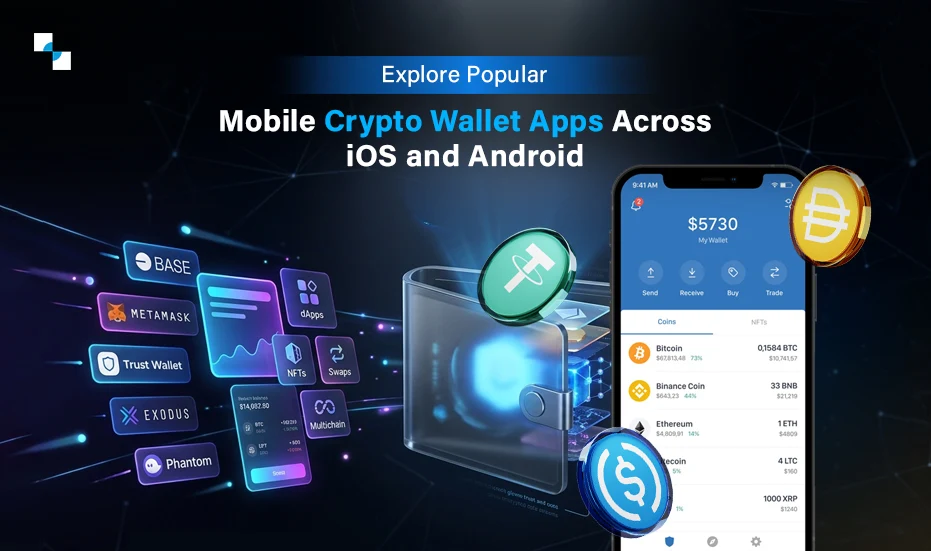
Ledger Live bridges your hardware wallet to your phone, keeping private keys offline while managing assets on-screen. This hybrid approach ensures that even if your device is compromised, your funds remain secure. It supports major coins and offers portfolio tracking with real-time price updates, making it ideal for users prioritizing maximum security without sacrificing convenience.
2. Trust Wallet staking reward options
Trust Wallet lets you stake over 16 supported cryptocurrencies directly from your phone, earning passive income without moving funds. Its interface clearly displays annual percentage yields and lock-up periods, helping you choose the best returns. With no minimum balance requirements for many assets, it is an accessible entry point for beginners looking to grow their holdings.

3. Exodus wallet cross-chain speed
Exodus offers a seamless multi-asset experience with built-in swapping across dozens of blockchains. Its intuitive design allows users to move between Bitcoin, Ethereum, and other networks quickly, reducing the friction often associated with cross-chain transactions. The integrated exchange feature ensures competitive rates, making it a strong choice for traders who value speed and simplicity.

4. MetaMask mobile transaction fees
MetaMask remains a dominant force in DeFi, offering robust transaction management on mobile. While gas fees vary by network congestion, its integration with Layer 2 solutions helps users minimize costs. The app provides clear previews of transaction details before confirmation, ensuring users are aware of fees and network choices, which is crucial for navigating the volatile Ethereum ecosystem efficiently.

5. Kraken Go wallet fiat integration
Kraken Go simplifies crypto onboarding by integrating directly with your Kraken exchange account. This seamless fiat-to-crypto bridge allows for instant deposits and withdrawals, eliminating the delays typical of traditional banking transfers. For users who want a straightforward path from bank account to digital assets, this integration provides a secure and efficient workflow for managing everyday transactions.

How to choose the right mobile crypto wallet
Picking a wallet is like choosing a safe that also happens to fit in your pocket. You need to weigh security, ease of use, and the specific assets you plan to hold. The best wallet for one user might be a liability for another. Use these three steps to narrow the field.
Not all wallets support every token. If you hold niche altcoins or specific NFTs, verify the wallet’s compatibility list first. Major wallets like Exodus or MetaMask support thousands of tokens, but smaller or newer chains may require specialized apps. Always confirm the coin is listed before downloading.
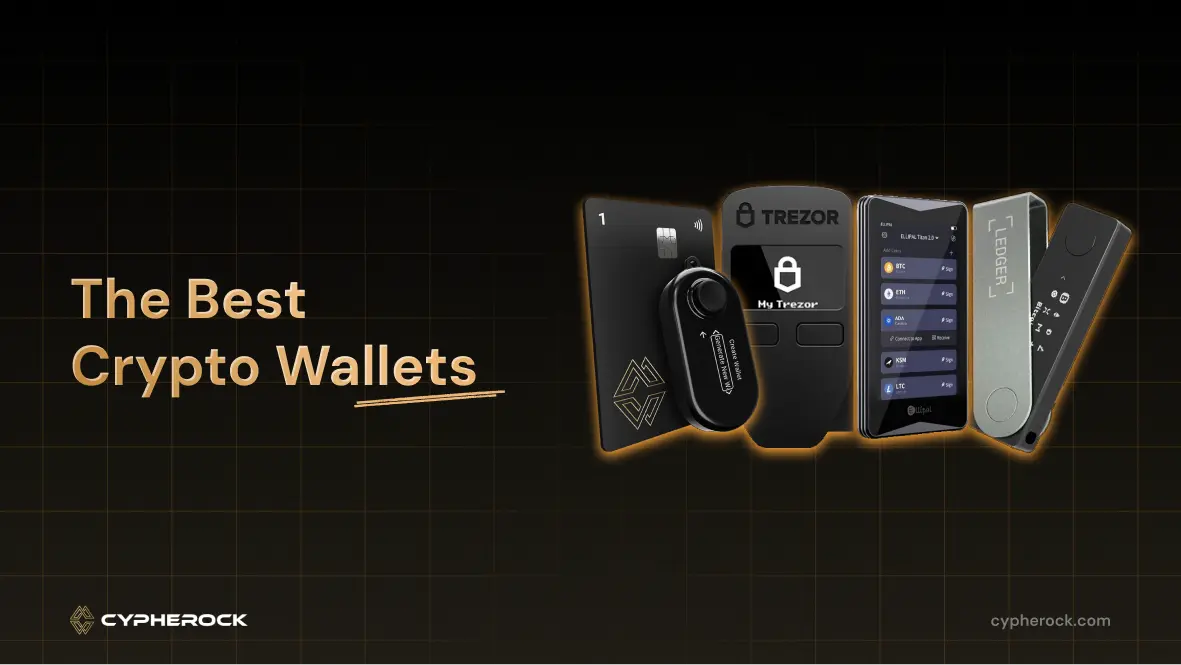
Security is the primary differentiator. Look for non-custodial options where you hold the private keys. Check if the app supports biometric locks, two-factor authentication, and hardware wallet integration. Avoid wallets that store your keys on their servers unless you trust the company implicitly.
Transaction fees vary significantly between networks and wallets. Some wallets offer built-in staking with competitive APYs, which can offset network costs. Compare the internal fee structures and any hidden spreads on currency exchanges within the app to ensure you keep more of your returns.
| Feature | Your Priority |
|---|---|
| Security Level | Critical |
| Asset Support | High |
| User Interface | Medium |
| Staking Options | Low |


As an Amazon Associate, we may earn from qualifying purchases.
No comments yet. Be the first to share your thoughts!