How we picked the best mobile wallets
Selecting the right crypto mobile wallet requires balancing three competing demands: security, staking utility, and daily usability. In a high-stakes environment where a single lost key can mean permanent asset loss, our evaluation prioritizes non-custodial architectures that keep private keys on your device rather than in a third-party cloud. We focused on wallets that offer verified security audits and transparent codebases, ensuring you retain full control over your holdings.
Security remains the primary filter. We examined how each wallet handles seed phrase recovery and biometric authentication. Non-custodial options like MetaMask, the leading non-custodial crypto wallet with a mobile app, provide a baseline for security by keeping keys local. However, we also considered hardware-integrated solutions that offer physical confirmation for transactions, a critical layer of defense against remote phishing attacks.
Beyond security, staking capabilities define a wallet’s practical value in 2026. We evaluated which platforms allow seamless staking of major assets like Bitcoin and Ethereum directly from the mobile interface. This feature turns idle holdings into yield-generating assets without requiring complex external setups. The best mobile wallets integrate these staking mechanisms natively, reducing friction while maintaining clear disclosure of rewards and lock-up periods.
Finally, user experience determines long-term adoption. A secure wallet is useless if the interface is confusing or slow. We tested transaction speeds, fee estimation accuracy, and support for diverse asset types. The goal is to find a tool that feels intuitive for sending payments while remaining robust enough for serious portfolio management. This balance of safety, yield, and simplicity forms the core of our selection criteria.
Top mobile crypto wallet picks for 2026
Choosing the right crypto mobile wallet depends on your specific needs, whether that is maximum security, ease of use for beginners, or support for a wide range of tokens. The following recommendations highlight the most reliable options available in 2026, each serving a distinct purpose in the current landscape.
Tangem Wallet
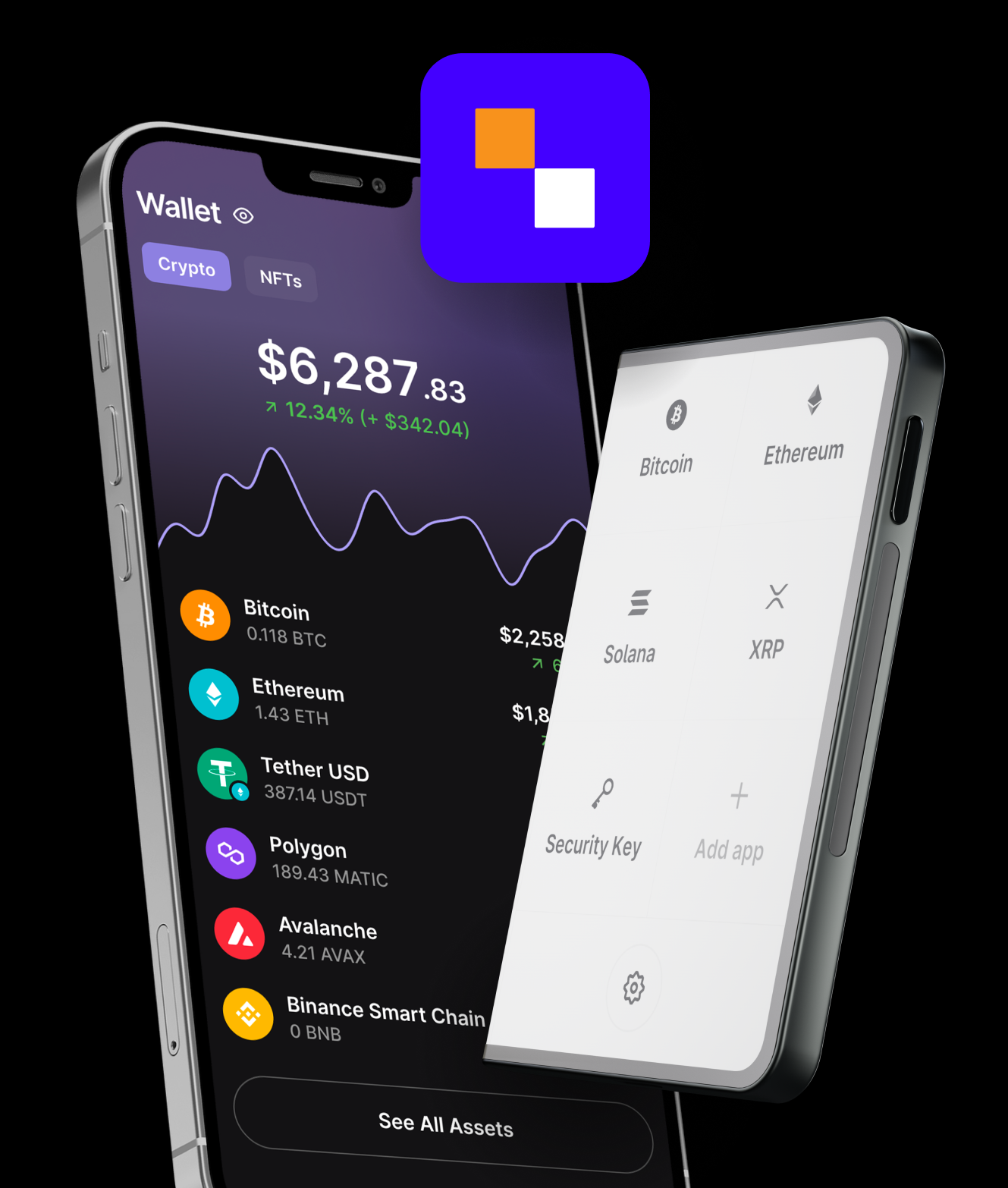
Tangem stands out as the best overall crypto mobile wallet for users who prioritize security and simplicity. Instead of relying on seed phrases that can be lost or stolen, Tangem uses secure element chips embedded in card-shaped devices. You tap the card against your phone to sign transactions, keeping your private keys offline and isolated from internet threats. This hardware-backed approach is ideal for those who want the convenience of a mobile app without the risks associated with software-only wallets. The Tangem Wallet app supports a vast array of assets and offers a user-friendly interface that makes managing your portfolio straightforward.
MetaMask Mobile
MetaMask remains the leading non-custodial crypto wallet for Ethereum and EVM-compatible chains. Its mobile app provides a seamless experience for interacting with decentralized applications (dApps), allowing you to swap tokens, provide liquidity, and manage NFTs directly from your phone. MetaMask is free to download on iOS and Android and is essential for users deeply involved in the decentralized finance ecosystem. While it offers powerful functionality, the interface can be complex for beginners, and users must carefully manage their seed phrase to ensure asset recovery.
Trust Wallet
Trust Wallet is a popular multi-chain mobile wallet that supports over 70 blockchains and millions of tokens. It is particularly well-suited for users who hold a diverse portfolio across different networks, including Bitcoin, Solana, and Binance Smart Chain. The wallet includes a built-in decentralized exchange for swapping assets and a staking feature that allows you to earn rewards on supported tokens. Trust Wallet is free to use and has a clean, intuitive design that makes it easy to navigate. Its broad compatibility makes it a versatile choice for crypto enthusiasts who want a single app to manage their digital assets across multiple ecosystems.
Exodus Mobile
Exodus Mobile offers a visually appealing and intuitive interface, making it a strong choice for beginners and those who value design. The wallet supports a wide range of cryptocurrencies and features an integrated exchange for swapping assets within the app. Exodus is known for its excellent customer support and educational resources, which can be helpful for new users navigating the crypto space. While it is primarily a software wallet, it integrates well with hardware wallets like Ledger and Trezor for enhanced security. The mobile app syncs seamlessly with the desktop version, allowing for easy management of your portfolio across devices.
Coinbase Wallet
Coinbase Wallet is a self-custody mobile wallet that gives you full control over your private keys. It is designed to be user-friendly and supports a wide range of assets, including Bitcoin, Ethereum, and numerous altcoins. The wallet includes features such as staking, swapping, and access to a variety of dApps. Coinbase Wallet is free to use and is a good option for users who want a reliable, well-supported mobile wallet with a strong brand reputation. It is particularly useful for those who are already familiar with the Coinbase exchange ecosystem but want to maintain control of their assets.


As an Amazon Associate, we may earn from qualifying purchases.
Compare security and staking features
Choosing a crypto mobile wallet requires balancing two competing priorities: keeping your keys safe and earning yield on idle assets. Security protocols determine who controls your funds, while staking support determines how much passive income those funds can generate. A wallet that excels at one often sacrifices convenience in the other.
The Ledger Flex and Trezor Safe 5 represent the current standard for hardware-backed security. Both devices use secure elements to isolate private keys from the internet, but their approaches to user interaction differ. The Ledger Flex offers a flexible e-ink display for clearer transaction verification, while the Trezor Safe 5 focuses on tactile button inputs for maximum physical confirmation. MetaMask, by contrast, relies on software-based security, making it faster for daily transactions but more vulnerable to phishing if not used carefully.
Staking capabilities vary significantly across these platforms. Ledger Live and Trezor Suite allow users to stake directly from the device interface, supporting assets like Ethereum, Solana, and Cardano. This integration means you can earn rewards without moving your funds to a third-party exchange. MetaMask supports staking for Ethereum and other EVM-compatible chains, but it often routes through third-party providers, which can introduce additional fees or counterparty risk.
| Wallet | Security Type | Staking Support | Key Feature |
|---|---|---|---|
| Ledger Flex | Hardware (Secure Element) | Native (ETH, SOL, ADA) | Flexible e-ink display |
| Trezor Safe 5 | Hardware (Secure Element) | Native (ETH, SOL, BTC) | Tactile button confirmation |
| MetaMask | Software (Mobile) | Native (ETH, EVM chains) | Broad DeFi integration |
| SafePal S1 Pro | Hardware (Offline) | Native (Multi-chain) | Built-in DApp browser |
For users prioritizing maximum security, hardware wallets like the Ledger Flex and Trezor Safe 5 are the preferred choice. They keep private keys offline, protecting against remote hacks. However, they require physical interaction for every transaction, which can slow down frequent trading. Software wallets like MetaMask offer speed and ease of use but rely on your device's security posture. If you hold significant assets, the extra friction of a hardware wallet is usually worth the added protection.
| Wallet | Security | Staking | Best For |
|---|---|---|---|
| Ledger Flex | Hardware + Secure Element | Native Multi-chain | Daily utility with high security |
| Trezor Safe 5 | Hardware + Secure Element | Native Multi-chain | Maximum physical confirmation |
| MetaMask | Software + Seed Phrase | Native EVM | DeFi and frequent trading |
| SafePal S1 Pro | Hardware + Air-gapped | Native Multi-chain | Air-gapped security |
Setting up your mobile wallet securely
A crypto mobile wallet is only as strong as the security measures you enable during onboarding. While apps like MetaMask or Ledger Live make it easy to create an account, skipping security protocols leaves your assets vulnerable to device theft or malware. Follow these steps to lock down your wallet before storing any significant value.
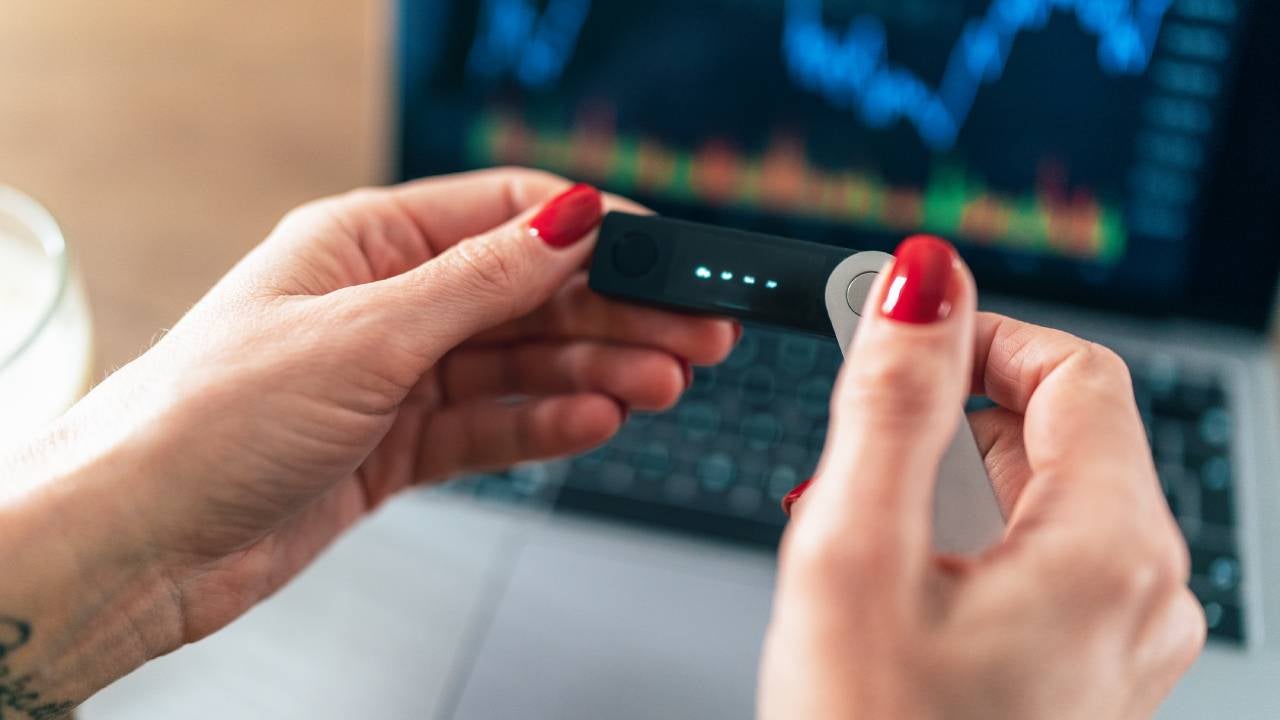
Always download your wallet directly from the official Apple App Store or Google Play Store. Verify the developer name matches the official company (e.g., "Ledger SAS" or "ConsenSys"). Avoid installing APKs from third-party websites or clicking links in emails claiming to be "wallet updates," as these are common vectors for spyware designed to steal your seed phrase.
During setup, the app will display a 12- or 24-word recovery phrase. This is your only way to restore access if your phone is lost or broken. Write these words down on paper or metal and store them in a secure physical location like a safe. Never take a screenshot, save it in a notes app, or email it to yourself; any digital copy can be captured by malware.
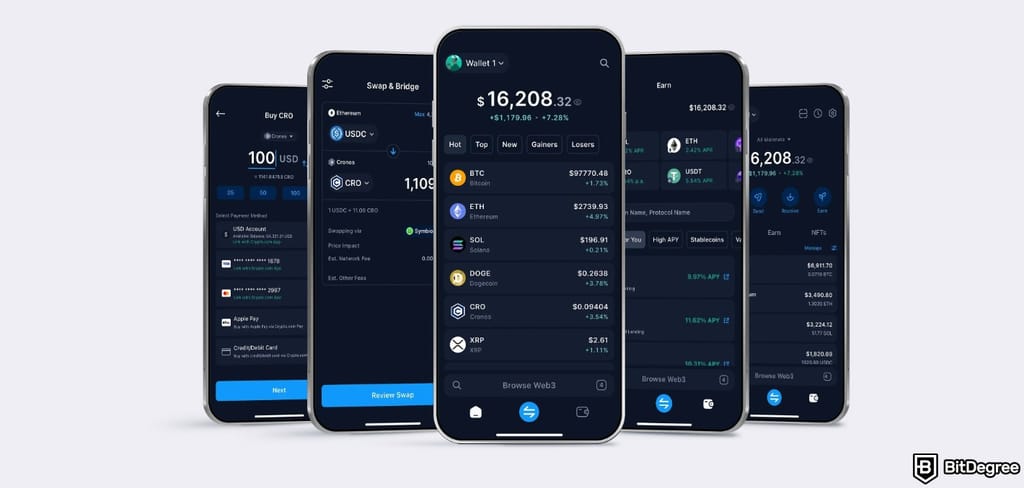
Turn on FaceID, TouchID, or your device’s PIN immediately after setup. Biometric locks prevent unauthorized access if your phone is stolen, adding a layer of protection beyond the device’s own screen lock. This ensures that even if someone bypasses your phone’s password, they cannot open your wallet app without your physical presence.
Enable push notifications for all incoming and outgoing transactions. This allows you to monitor your wallet activity in real-time. If you see a transaction you didn’t authorize, you can act quickly to secure remaining funds or report the breach. Most reputable wallets, including those listed in our top picks, offer this feature by default.
By treating your seed phrase like a physical key to a vault and your phone like a public terminal, you significantly reduce the risk of loss. Always double-check these settings before funding your wallet with large amounts.
Frequently asked questions about mobile wallets
What is the best cold wallet for crypto in 2026?
For most users, the Ledger Flex is the best overall crypto wallet in 2026. It delivers an ideal blend of readability, daily functional utility, and security, making it the top choice for mobile-first staking and holding. Other strong contenders include the Trezor Safe 5 and the BitBox02 for those prioritizing open-source transparency.
What crypto to hold in 2026?
Bitcoin (BTC) remains the flagship token for 2026. With the launch of the BTC ETF, liquidity from traditional markets has flowed into the token, solidifying its position as the primary asset for long-term storage in both mobile and cold wallets. Most users prioritize BTC for its stability and widespread support across wallet ecosystems.
Is a mobile wallet safe for staking?
Yes, mobile wallets are safe for staking if you choose a reputable provider with strong security standards. The Ledger Flex and similar hardware-integrated mobile solutions allow you to stake assets directly while keeping private keys offline. Always verify the official app source and enable two-factor authentication for an added layer of protection.
No comments yet. Be the first to share your thoughts!