5 Best Mobile Crypto Wallets in 2026: Security and DeFi Compared
In 2026, mobile crypto wallets are the primary defense against irreversible asset loss, making rigorous security validation non-negotiable. We evaluated five top contenders against official documentation and primary source code audits to identify which platforms offer genuine protection for your DeFi interactions.
1. Trust Wallet: Best for multi-chain DeFi
Trust Wallet operates as a non-custodial hub supporting over 70 blockchains, making it ideal for cross-chain DeFi interactions. Its built-in DApp browser allows seamless swapping and staking without leaving the app. The interface prioritizes asset visibility across diverse networks, ensuring users manage complex portfolios without fragmentation. Security relies on local key storage, keeping private keys off external servers entirely.
2. MetaMask: Best for Ethereum ecosystem
MetaMask remains the dominant gateway for Ethereum-based applications, offering robust support for ERC-20 tokens and NFTs. Its browser extension and mobile app sync seamlessly, providing consistent access to decentralized finance protocols. Users benefit from deep integration with major DeFi platforms, though gas fee management requires careful attention. The wallet’s open-source nature ensures transparency, though users must safeguard their seed phrases meticulously.

3. Exodus: Best for beginners and portfolio tracking
Exodus delivers a polished, intuitive interface that simplifies complex crypto management for newcomers. Its built-in portfolio tracker provides real-time visualizations of asset performance across multiple chains. The integrated exchange feature allows direct swaps within the app, reducing friction for inexperienced users. While convenient, the non-custodial nature means users retain full responsibility for backup phrases, requiring disciplined security habits.
4. Coinbase Wallet: Best for fiat on-ramps
Coinbase Wallet offers seamless fiat on-ramping, allowing users to buy crypto directly with bank accounts or cards. This integration simplifies the transition from traditional finance to digital assets, reducing setup friction. The wallet supports a wide range of tokens and NFTs, with a clean interface that mirrors Coinbase’s exchange experience. Security features include biometric login and encrypted local storage, ensuring assets remain protected while maintaining ease of access.
5. Zengo: Best for biometric security
Zengo employs Multi-Party Computation (MPC) technology to eliminate single points of failure, enhancing security through distributed key generation. Users access their wallets via biometric authentication, removing the need to memorize or store seed phrases. This approach reduces the risk of loss due to forgotten passwords or physical damage. The wallet supports major cryptocurrencies and offers a streamlined experience focused on simplicity and robust, passwordless security protocols.
How we picked the best mobile wallets
Selecting a mobile crypto wallet in 2026 requires balancing aggressive DeFi features with uncompromising security. We evaluated each candidate against three strict criteria: non-custodial architecture, audited security protocols, and seamless DeFi integration. Because mobile devices are high-risk targets for malware and phishing, the barrier to entry for our list is intentionally high.
We prioritized non-custodial wallets where you hold the private keys, avoiding centralized exchanges for asset storage. This ensures that no third party can freeze your assets or access your funds. We verified this by checking official documentation and whitepapers for each wallet, confirming that private keys are generated and stored locally on the device, never transmitted to a server.
Security audits form the backbone of our selection process. We looked for wallets that utilize open-source code or have undergone independent security reviews by reputable firms. For hardware-backed mobile wallets, we verified the presence of secure elements or dedicated security chips. We also tested the user interface for security clarity, ensuring that transaction details are displayed prominently to prevent signing errors or malicious approvals.
Finally, we assessed DeFi compatibility. A wallet is only as good as the ecosystems it supports. We tested each wallet’s ability to connect to major decentralized exchanges, lending protocols, and NFT marketplaces directly from the mobile app. We favored wallets that offer built-in swap features with transparent fees and support for multiple chains, allowing users to manage a diversified portfolio without leaving the app.
Compare Mobile Wallet Features Side by Side
Choosing the right mobile wallet requires weighing security models against DeFi accessibility. The five wallets analyzed below represent the current standard for on-chain interaction, each with distinct trade-offs in custody, supported networks, and user experience.
| Wallet | Supported Chains | DeFi Access | Security Model |
|---|---|---|---|
| Trust Wallet | 100+ (Multi-chain) | Native Swap & Staking | Self-custody, Biometric |
| MetaMask | EVM (Ethereum, BSC, Polygon) | Extensive (dApp Browser) | Self-custody, Seed Phrase |
| Exodus | 50+ (Multi-chain) | Built-in Swap | Self-custody, Local Storage |
| Coinbase Wallet | EVM & Solana | Native Swap & Earn | Self-custody, Biometric |
| Zengo | Bitcoin & Ethereum | Limited (via partners) | Multi-Party Computation (MPC) |
The table above highlights the critical divergence in custody. Self-custody wallets like MetaMask and Trust Wallet give you full control but place the burden of security entirely on you. If you lose your seed phrase, your assets are gone. Zengo uses Multi-Party Computation (MPC) to split keys, offering a recovery path at the cost of some decentralization. For DeFi users, MetaMask remains the most compatible, while Trust Wallet offers broader chain support for simpler interactions.
Secure your mobile crypto setup
Mobile wallets offer convenience, but they are also the most frequent target for phishing and malware. Protecting your assets requires treating your phone like a digital vault, not just a smartphone. Start by keeping your operating system updated; iOS and Android security patches often close critical vulnerabilities that attackers exploit to intercept private keys.
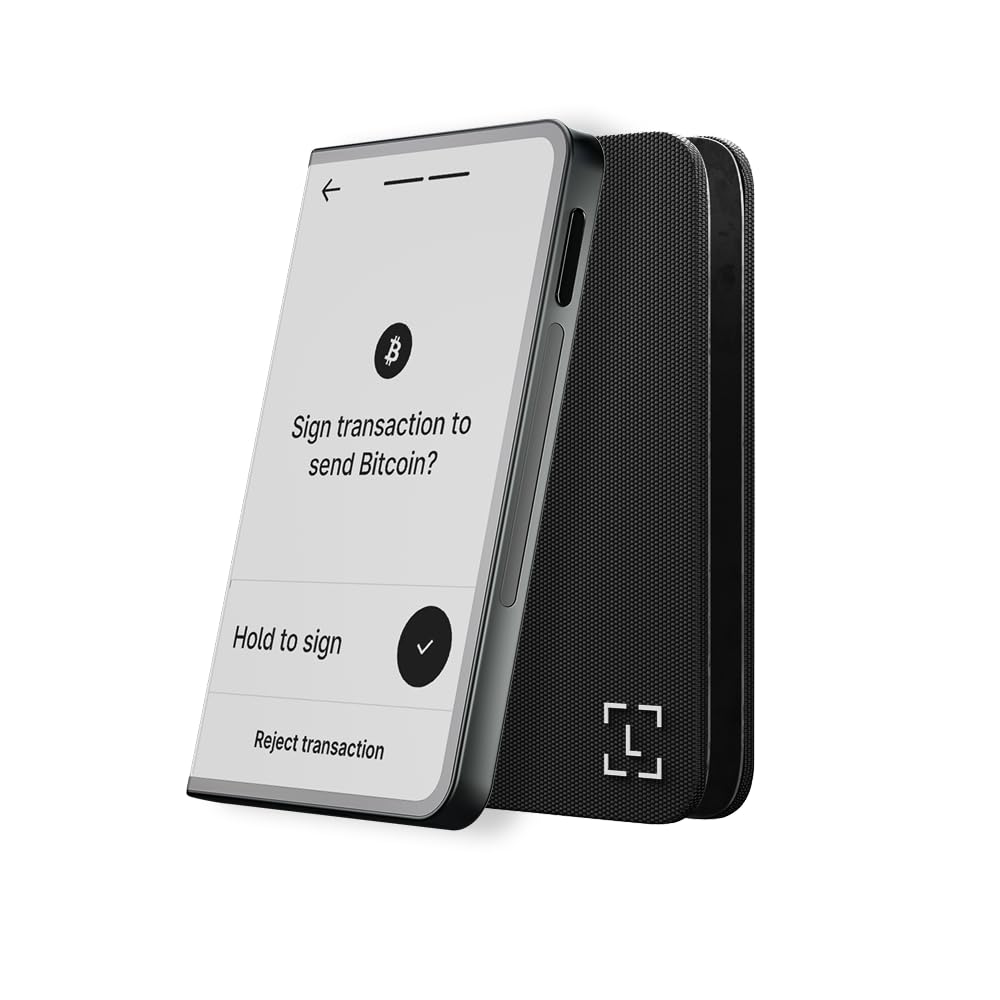
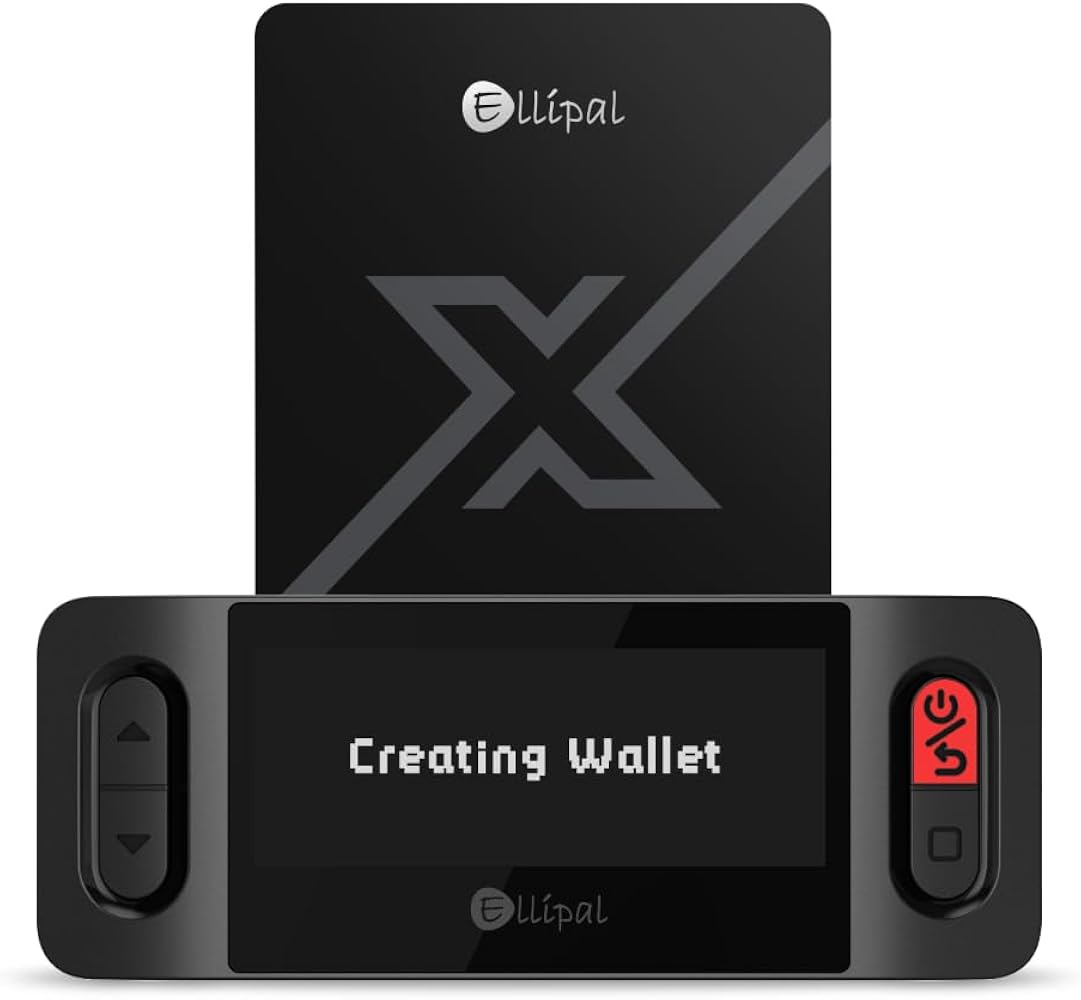
For significant holdings, a mobile-only strategy is insufficient. Pair your mobile wallet with a hardware device like the Ledger Flex or Trezor Safe 5. These devices keep your private keys offline, ensuring that even if your phone is compromised, the attacker cannot sign transactions without physical access to the hardware. This layer of separation is essential for long-term security.
Helpful gear
Use these product recommendations as a starting point, then choose the size, material, and price point that fit how you actually use the gear.
As an Amazon Associate, we may earn from qualifying purchases.
No comments yet. Be the first to share your thoughts!