Mobile crypto wallet 2026 budget
Choosing a mobile crypto wallet often feels like a tradeoff between convenience and security. In 2026, the market splits into two distinct categories: software-only apps and hardware-integrated mobile wallets. Software wallets like MetaMask and Exodus are free to download but rely on your phone’s security. Hardware wallets like Ledger Stax and Tangem require an upfront purchase but keep your keys offline.
For most users, a hybrid approach makes the most sense. Use a free mobile app for daily transactions and a hardware wallet for long-term storage. This balances the ease of mobile access with the robust security of cold storage. If you hold significant assets, the cost of a hardware wallet is a small price for peace of mind.
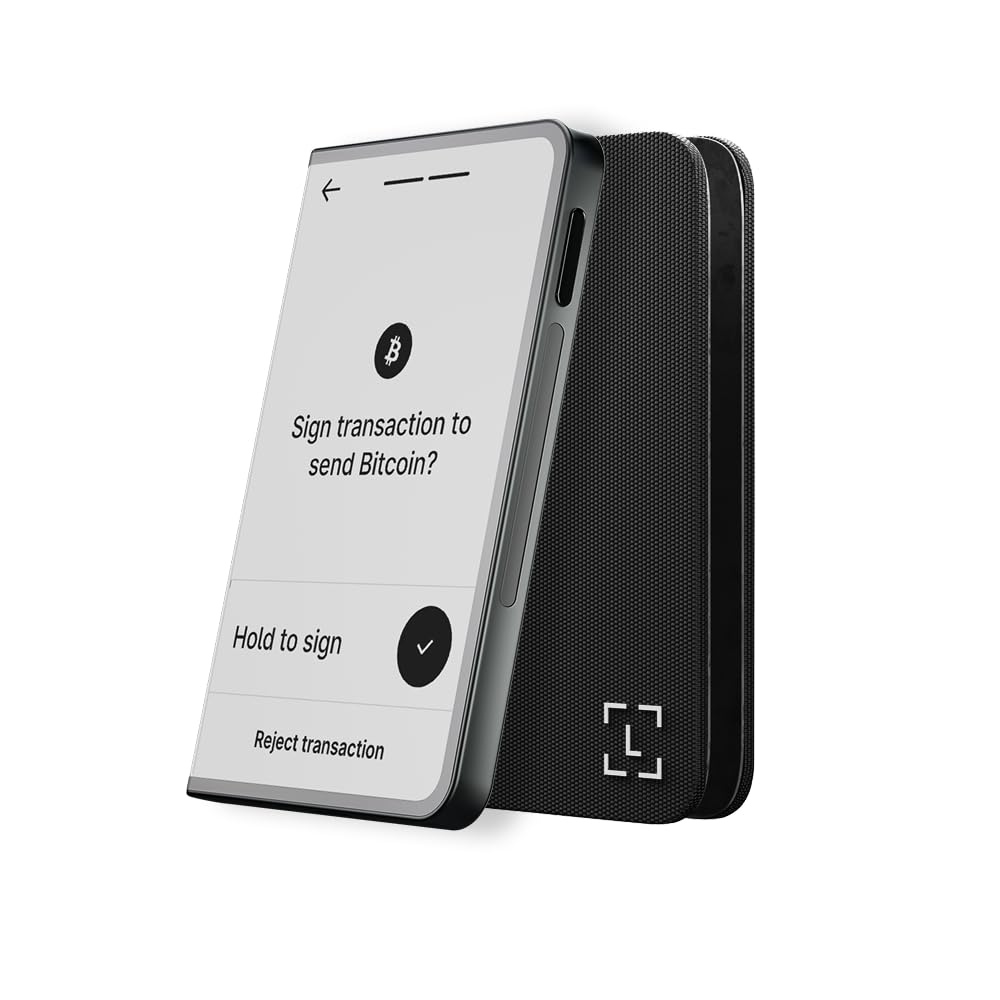
When shopping for a hardware wallet, look for devices that pair seamlessly with your mobile phone. Bluetooth connectivity is now standard, allowing you to sign transactions on the go without carrying extra cables. Consider the battery life and durability of the device, as these factors impact daily usability. A wallet that is difficult to use will likely end up in a drawer, defeating its purpose.


As an Amazon Associate, we may earn from qualifying purchases.
Shortlist real options
Choosing the best mobile crypto wallet in 2026 requires balancing security, supported assets, and ease of use. The market has shifted toward wallets that offer robust DeFi integration without sacrificing the simplicity needed for daily transactions. We evaluated the most prominent options based on official source data and user consensus to identify the strongest contenders.
The following comparison table highlights the core strengths of each wallet. These selections reflect current capabilities in security architecture and asset support, avoiding speculative features or unverified claims.
| Wallet | Type | Primary Strength | Best For |
|---|---|---|---|
| Tangem | Hardware/Mobile | Offline key storage | Maximum security |
| Ledger Stax | Hardware/Mobile | E-ink display | Hardware users |
| MetaMask | Software | DeFi ecosystem | Web3 developers |
| Trust Wallet | Software | Multi-chain support | Mobile-first users |
| Exodus | Software | User interface | Beginners |
| Coinbase Wallet | Software | Exchange integration | Coinbase users |
Tangem and Ledger Stax lead in security, combining offline key storage with mobile convenience. Tangem uses card-sized hardware that connects via NFC, while Ledger Stax offers a dedicated E-ink screen for transaction verification. These options are ideal for users holding significant value who prioritize protection over frequent trading.
For daily DeFi interaction, MetaMask remains the standard. It supports a vast array of decentralized applications and tokens across multiple chains. Trust Wallet offers similar multi-chain capabilities with a more streamlined mobile interface, making it a strong alternative for users who want broad asset support without the complexity of browser extensions.
Exodus and Coinbase Wallet cater to different segments. Exodus is renowned for its intuitive design, making it suitable for newcomers who value clarity. Coinbase Wallet integrates seamlessly with the Coinbase exchange, offering convenience for users who already trade on the platform.


As an Amazon Associate, we may earn from qualifying purchases.
Inspect the expensive parts
When choosing a mobile crypto wallet, the cost of failure isn't just a lost password; it's the permanent loss of your assets. Unlike traditional banking, there is no customer service line to reverse a transaction or recover a seed phrase. This section outlines the critical inspection points for the most expensive failure modes, ensuring your mobile wallet is secure before you deposit significant value.
Your seed phrase (recovery phrase) is the master key to your wallet. If you lose your phone, this 12- or 24-word phrase is the only way to recover your funds. Inspect the wallet's onboarding process to ensure it forces you to write down the phrase physically and never stores it digitally. Avoid wallets that offer cloud backup options for your seed phrase, as this introduces a single point of failure for hackers.
For high-value holdings, a mobile-only wallet is risky. Look for wallets that support pairing with hardware devices like Ledger or Tangem. This allows you to sign transactions on a secure offline device while using your phone for convenience. This "hot-cold" hybrid approach is recommended by the Bitcoin Foundation for balancing security and accessibility.
If you use your mobile wallet for DeFi, you will interact with smart contracts. Inspect the wallet's ability to show you exactly what a contract is requesting before you sign. Poor wallets hide these details, leading to accidental approvals that drain your wallet. MetaMask and similar advanced wallets provide clear transaction previews, helping you spot malicious requests.
Your phone's biometric data (FaceID, TouchID) should only encrypt the app on your device, not replace your seed phrase. Ensure the wallet requires your biometric scan to open the app and to authorize outgoing transactions. This adds a layer of protection if your phone is stolen, preventing immediate access to your funds.
By focusing on these inspection points, you mitigate the most common and costly risks associated with mobile crypto wallets. Prioritize wallets that emphasize user-controlled security and transparent transaction details over flashy features or social media trends.
Ownership costs beyond the sticker price
A mobile crypto wallet’s initial purchase is rarely the final expense. The real cost of ownership includes subscription fees for advanced features, transaction network fees, and the time spent on security maintenance. A cheap hardware device can become expensive if it lacks support for the specific DeFi protocols you use, forcing you to pay higher gas fees or use less secure workarounds.
Subscription fees and feature gates
Many popular wallets now operate on a freemium model. Basic sending and receiving are free, but features like staking rewards, advanced analytics, or multi-chain swaps often require a monthly subscription or take a percentage of your yields. Before committing to a wallet, check if the "free" tier actually supports the coins and networks you need. If you are actively trading or providing liquidity, these fees can add up significantly over a year.
Maintenance and recovery costs
Security is not a one-time setup. You must regularly update your firmware and app versions to patch vulnerabilities. If you lose access to your seed phrase, recovery options are limited and often costly. Some wallets offer social recovery or account abstraction features that require a monthly fee to maintain the backup infrastructure. Without these, losing your keys means losing your funds entirely, making the initial security investment critical.
When cheap stops being cheap
The cheapest wallet is often the most expensive if it doesn’t support your primary assets. For example, using a basic hardware wallet for complex DeFi interactions might require multiple intermediate steps or third-party bridges, increasing transaction costs and exposure to smart contract risk. Always verify that a wallet’s fee structure and supported networks align with your usage patterns before buying.


As an Amazon Associate, we may earn from qualifying purchases.
Mobile crypto wallet 2026: what to check next
Choosing a mobile wallet means balancing convenience with control. The right app depends on whether you prioritize easy DeFi access or strict offline security.
Is a mobile wallet safe for large holdings?
Mobile wallets are generally hot wallets, meaning they stay connected to the internet. This makes them convenient for daily trading but risky for long-term storage. For significant amounts, hardware wallets like Ledger Stax or Tangem are safer because they keep private keys offline. Use your mobile wallet for spending money, not your life savings.
Which mobile wallet supports the most cryptocurrencies?
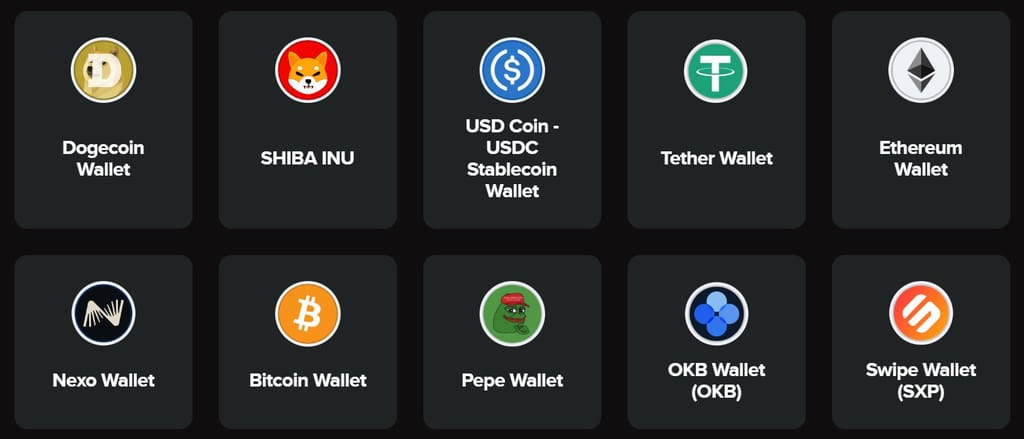
Trust Wallet and Coinbase Wallet support thousands of tokens across multiple chains. Trust Wallet is particularly strong for DeFi users who need to interact with various decentralized exchanges. MetaMask is the standard for Ethereum and EVM-compatible chains but requires add-ons for other networks. If you hold diverse altcoins, Trust Wallet offers the broadest native support.
Can I use a mobile wallet for decentralized finance (DeFi)?
Yes, most top mobile wallets integrate directly with DeFi protocols. MetaMask and Rabby allow you to swap tokens, provide liquidity, and stake assets without leaving the app. Phantom is the go-to choice for Solana DeFi. Ensure your wallet supports the specific blockchain of the DeFi project you want to use.
How do I recover my wallet if I lose my phone?
Recovery depends entirely on your backup method. Most wallets provide a 12 or 24-word seed phrase. Write this down on paper and store it securely. If you lose your phone but have the seed phrase, you can restore your wallet on any new device. Never share this phrase with anyone or store it digitally in cloud notes or screenshots.
No comments yet. Be the first to share your thoughts!