
AI crypto trading in 2026: what actually works
By 2026, the promise of AI-driven on-chain analytics has shifted from speculative hype to a practical, if imperfect, toolkit for retail traders. The market is saturated with platforms claiming to automate success, but the reality is more nuanced. AI tools now excel at processing vast amounts of on-chain data and sentiment signals faster than any human, but they do not guarantee profitability. The edge lies in using these tools as decision-support systems rather than autonomous money printers.
The core value of AI in crypto trading today is speed and pattern recognition. Algorithms can scan millions of transactions to detect whale movements, liquidity shifts, or emerging sentiment trends in real-time. For the retail trader, this means access to institutional-grade data without the need for a dedicated analyst team. However, this advantage comes with significant trade-offs. Over-reliance on automated signals can lead to whipsaw losses during volatile, low-liquidity periods where historical patterns break down.
Understanding the limitations is critical. Most AI trading bots operate on predefined strategies and historical data, meaning they can struggle with black-swan events or sudden regulatory news. The most effective approach combines AI-driven insights with manual risk management. Traders should use AI for screening and alerting, while retaining final control over entry and exit points. This hybrid model mitigates the risk of algorithmic errors while leveraging the computational power of modern AI.
As the landscape evolves, the focus is shifting from pure automation to augmented intelligence. The best tools in 2026 are those that explain their reasoning, allowing traders to understand the "why" behind a signal. This transparency builds trust and helps traders refine their own strategies over time. The goal is not to replace the trader, but to empower them with clearer, faster, and more data-driven insights.
Ai crypto trading 2026 choices that change the plan
Choosing an AI trading tool in 2026 is less about finding a "magic bullet" and more about matching automation levels to your risk tolerance. The market is saturated with bots claiming autonomous profit, but the reality involves a direct exchange of control for convenience. You must evaluate how much manual oversight you are willing to surrender in exchange for speed and data processing.
The primary tradeoff lies in strategy complexity versus execution reliability. Advanced AI quant platforms can parse millions of on-chain transactions to detect whale movements or liquidity shifts before they hit the order book. However, these systems often require complex configuration. If the parameters are set too aggressively, the bot will overtrade during volatile sideways markets, eroding profits through fees and slippage. Simpler tools offer safer defaults but may miss high-value, short-term opportunities.
Another critical factor is data latency and exchange connectivity. Real-time AI analysis is only valuable if your execution engine can act on it instantly. Premium platforms offer direct API connections to major exchanges like Binance or Coinbase, ensuring minimal latency. Cheaper or free tiers often rely on slower data feeds or simulated trading environments, which can lead to significant price discrepancies between the signal and the actual fill. Always verify if the AI tool supports the specific exchanges and trading pairs you intend to use.
Finally, consider the transparency of the AI's decision-making process. Black-box algorithms can be profitable but dangerous if they behave unpredictably during market crashes. Look for tools that provide clear logs of why a trade was initiated. This allows you to audit the AI's logic and adjust settings before capital is at risk. The best tools in 2026 combine robust risk management features, such as automatic stop-losses, with transparent reporting.
| Feature | Advanced Quant Platforms | Simple Bot Tools | Manual Trading |
|---|---|---|---|
| Learning Curve | Steep – requires config | Low – plug-and-play | Moderate |
| Latency | Minimal – direct API | Moderate | High |
| Risk Control | Automated stop-losses | Basic limits | Full control |
| Cost | High – $50-$200/mo | Low – $10-$30/mo | Free |
| Data Depth | On-chain + sentiment | Price action only | Full access |
How to use AI on-chain analytics for retail trading
The gap between retail traders and institutional desks is closing, but only if you know how to read the data. AI-driven on-chain analytics tools process millions of blockchain events to surface signals that human eyes miss. These aren't crystal balls; they are filters that separate noise from actionable market movements.
To turn this research into a decision framework, you need to evaluate tools based on three practical criteria: data latency, signal clarity, and execution speed. A tool that flags a whale movement after the price has already moved is useless. You need systems that provide early warnings with clear context.
Start by assessing your trading style. Day traders need real-time alerts and low-latency execution. Swing traders benefit more from sentiment analysis and macro-trend indicators. Align your tool choice with your specific time horizon.
Step 1: Define your signal requirements
Before subscribing to any platform, list the specific on-chain metrics that matter to your strategy. Do you need to track stablecoin flows to gauge liquidity? Are you monitoring exchange inflows/outflows for supply shocks? Or are you tracking smart money wallet movements?
Most platforms offer dozens of metrics. Narrow your focus to the top three indicators that directly influence your entry and exit decisions. For example, if you trade momentum, focus on exchange net flow and volume divergence. If you trade safety, focus on whale accumulation patterns.

Test how quickly the tool notifies you after an event occurs. A delay of even a few seconds can be critical in crypto markets. Look for platforms that offer push notifications via Telegram or Discord, as these are typically faster than email. Check user reviews for complaints about "ghost alerts" that fire but mean nothing.
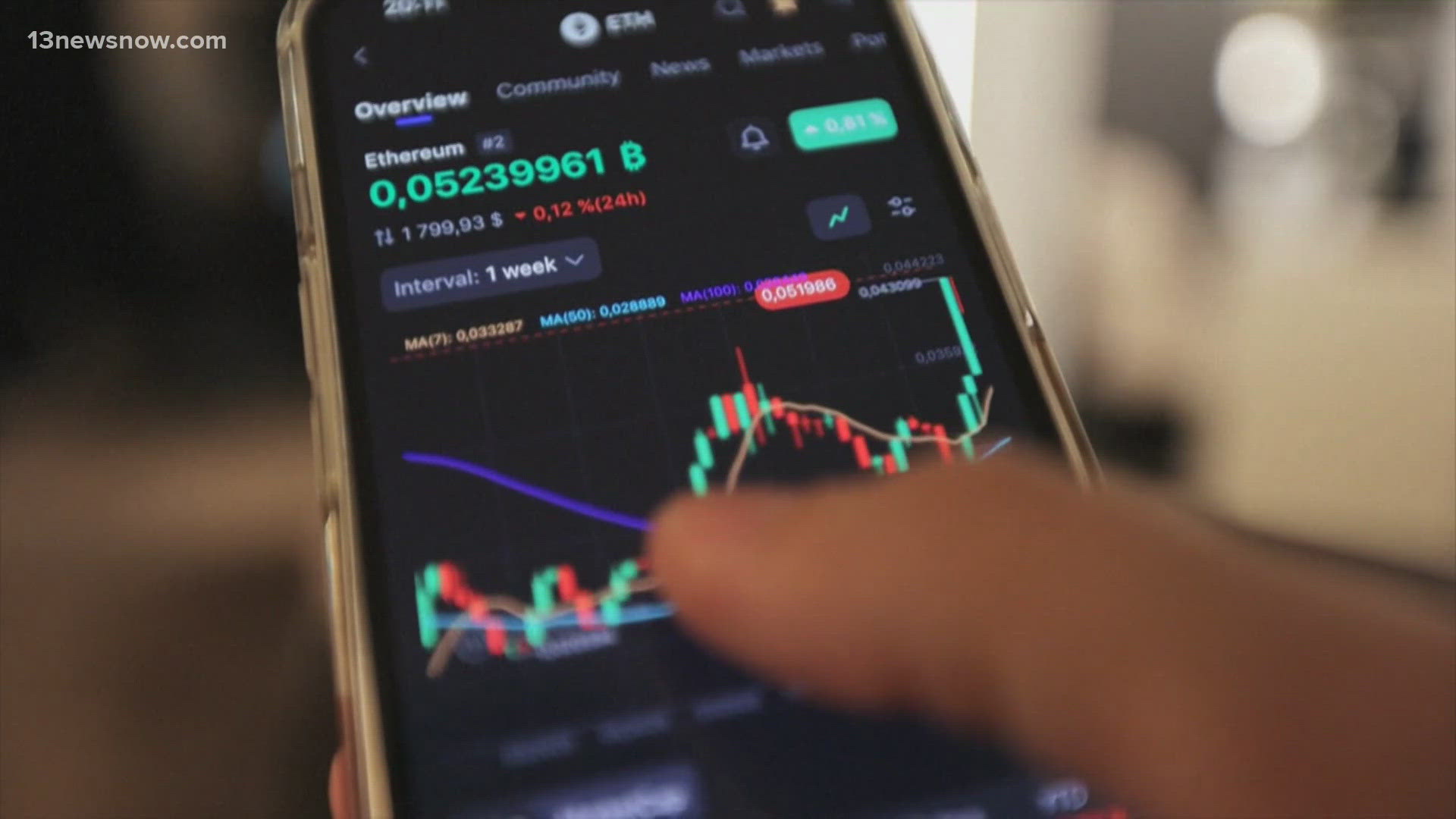
Data is only useful if you can interpret it quickly on a mobile device. Avoid cluttered dashboards that require excessive clicking. The best tools present complex on-chain data in simple, color-coded charts or clear text summaries. If you can't understand the signal in under five seconds, it's too complex for live trading.
Step 2: Compare top AI analytics tools
| Tool | Primary Strength | Cost Structure |
|---|---|---|
| Token Metrics | AI sentiment scoring | Subscription |
| Nansen | Smart money tracking | High subscription |
| Glassnode | Macro on-chain data | Freemium |
Step 3: Integrate with your trading workflow
Finally, ensure the tool integrates with your existing setup. Many advanced platforms offer API access, allowing you to connect alerts directly to trading bots or portfolio trackers. This automation reduces emotional decision-making and ensures you act on data, not fear.
Watchouts: Weak Options and Misleading Claims
The 2026 crypto landscape is crowded with tools promising AI-driven dominance, but not all options are built for retail traders. Many platforms exaggerate their capabilities, using buzzwords to mask simple script-based bots or basic technical indicators. Before committing capital, you need to separate genuine on-chain analytics from marketing fluff.
The "Guaranteed Profit" Trap
No AI can guarantee daily returns. Claims that you can make $1,000 a day consistently are mathematically unsustainable and often signal a scam. Legitimate tools provide data and sentiment analysis to support your decisions; they do not execute trades with perfect accuracy. Treat any tool promising fixed income as a red flag.
Overfitting and Lagging Data
Many "AI" tools are overfitted to past market data, meaning they perform well in backtests but fail in live conditions. Retail traders often fall for this by ignoring real-time latency. If a tool relies on historical sentiment without live on-chain updates, it will lag behind rapid market shifts. Always verify if the analytics are real-time or delayed.
Hidden Fees and Subscription Traps
Some platforms offer free trials but hide steep subscription fees or withdrawal penalties. Check the fine print for recurring charges that eat into your margins. A tool might look affordable initially but become expensive once you factor in data access costs and trading fees. Compare the total cost of ownership against the actual value provided.
Lack of Transparency
Reputable AI tools are transparent about their data sources and algorithms. If a platform refuses to explain how it generates signals or hides its performance metrics, avoid it. Look for third-party audits or verifiable track records. Transparency is the only way to trust that your trades are based on solid data, not opaque black-box predictions.
Ai crypto trading 2026: what to check next
Retail traders often face uncertainty when considering automated tools. The following answers address the most common practical objections and search queries regarding AI-driven on-chain analytics and bot trading in 2026.
No comments yet. Be the first to share your thoughts!