The mobile shift in crypto
The desktop browser has lost its monopoly on decentralized finance. While early crypto adoption relied on clunky dApp browsers and complex seed phrase management, the interface has migrated to the device most people never leave behind. Mobile crypto wallets are no longer just secondary storage solutions; they are the primary gateway to on-chain activity for a growing segment of users.
This transition is driven by improved user experience and the rise of account abstraction. Modern mobile wallets simplify private key management and integrate directly with social logins or biometric authentication, lowering the barrier to entry. Users can now swap tokens, bridge assets, and interact with lending protocols through intuitive touch interfaces that rival centralized exchange apps in speed and ease of use.
The market reflects this behavioral change. Industry projections indicate the crypto wallet market will expand from USD 1.8 billion in 2025 to USD 4.2 billion by 2035, with hot wallets—primarily mobile applications—expected to capture 61.5% of the share Future Market Insights. Trading activity, which accounts for nearly half of application demand, is increasingly initiated from handheld devices.
This shift demands a new focus on security and usability. Mobile wallets must balance convenience with robust protection against phishing and device theft. As the infrastructure matures, the distinction between "mobile" and "desktop" DeFi access is blurring, making the mobile experience the critical battleground for user acquisition.
Why non-custodial wallets lead DeFi adoption
Non-custodial mobile wallets have become the primary gateway for decentralized finance because they prioritize self-custody and direct chain access. Unlike centralized exchanges that hold your assets in pooled accounts, these wallets give you full control over your private keys. This architectural shift is critical for DeFi, where interacting directly with smart contracts requires a level of autonomy that custodial services cannot provide.
The market is shifting toward mobile-first solutions that bridge the gap between traditional finance and Web3. According to recent industry analysis, hot wallets are projected to capture 61.5% of the market share, driven by the convenience of mobile access and the growing demand for on-chain trading. This trend underscores why non-custodial wallets are not just a preference but a necessity for serious DeFi participants who need immediate, unrestricted access to their capital.
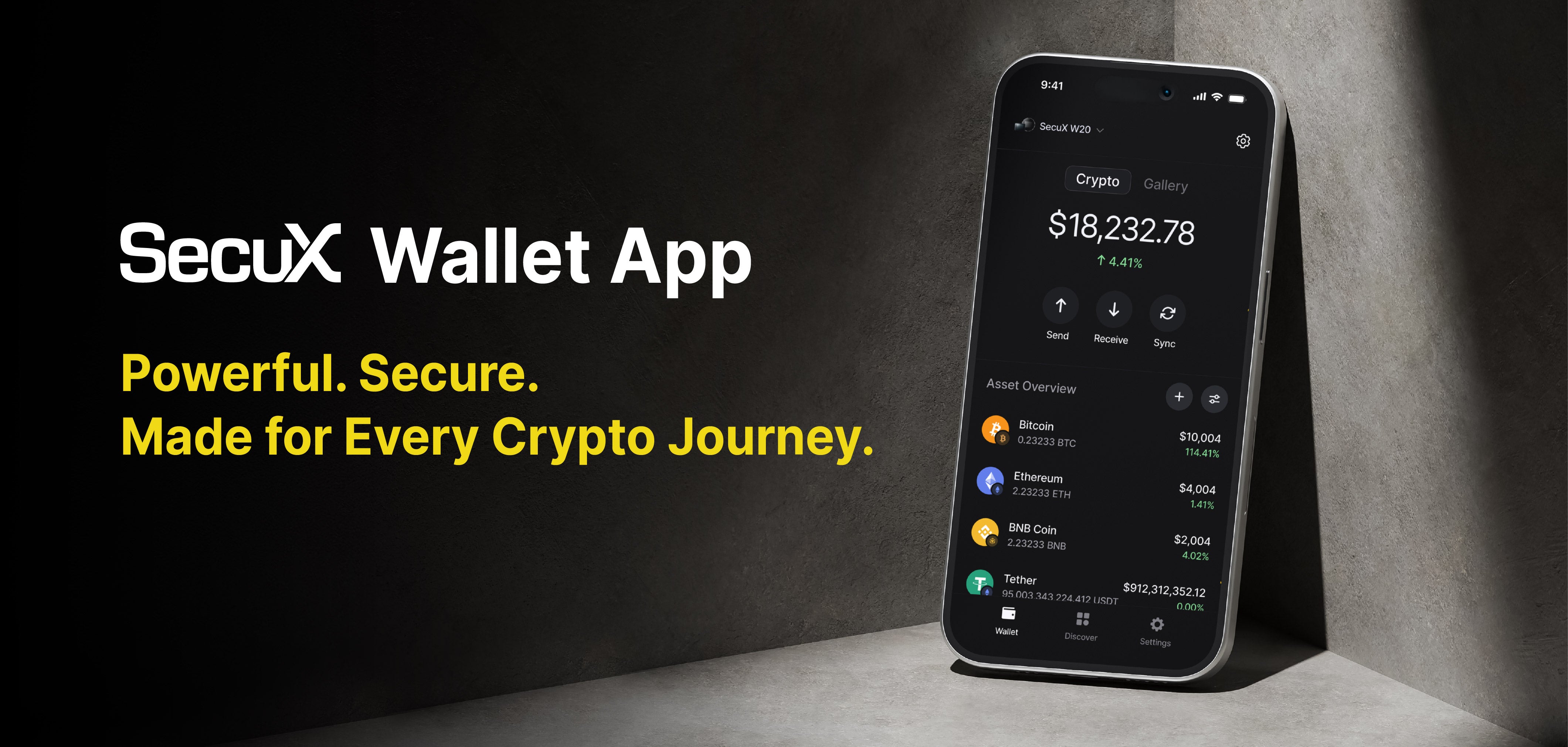
Direct chain access allows users to interact with decentralized exchanges, lending protocols, and staking platforms without intermediaries. This reduces counterparty risk and lowers fees by eliminating the spread charges often applied by custodial platforms. However, it also places the responsibility for security squarely on the user, making the choice of wallet software a significant factor in overall portfolio safety.
| Wallet | Chain Support | DeFi Integration | Custody Type |
|---|---|---|---|
| MetaMask | Multi-chain (EVM) | High (Native DApp Browser) | Non-custodial |
| Trust Wallet | 100+ Blockchains | High (Built-in DEX) | Non-custodial |
| Exodus | Multi-chain | Medium (Third-party Swap) | Non-custodial |
| Coinbase Wallet | Multi-chain | Non-custodial |
Hardware wallets meet mobile convenience
The gap between cold storage and mobile usability is closing. Hardware manufacturers are integrating NFC and QR code protocols directly into their devices, allowing users to sign transactions on the go without exposing private keys to internet-connected environments. This convergence is a defining shift for mobile crypto wallets in 2026, offering the security of air-gapped storage with the frictionless experience of a smartphone app.
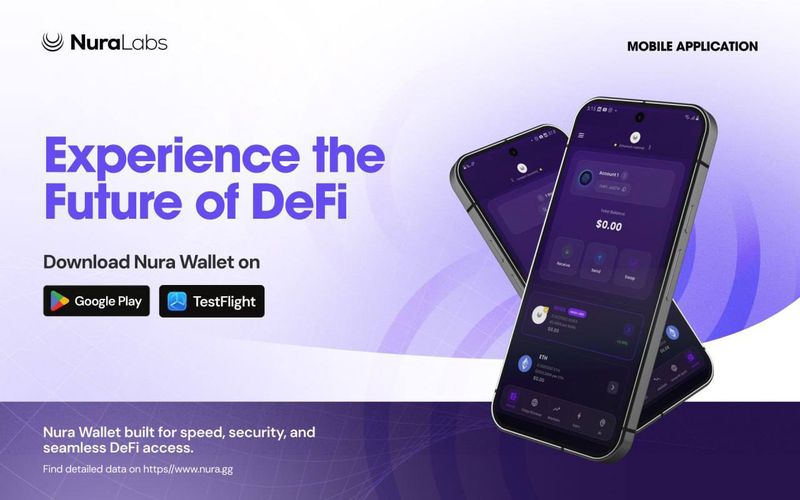
Leading hardware providers like Ledger and Trezor have pivoted their strategies to support this hybrid model. Ledger's recent updates emphasize EAL6+ security standards while maintaining seamless integration with mobile interfaces, allowing users to manage diverse assets via a physical device that communicates wirelessly. Similarly, card-shaped hardware wallets like Tangem are gaining traction for daily use because they remove the need for cables or bulky dongles, relying instead on tap-to-sign functionality that feels native to mobile interaction.
This trend aligns with broader market projections indicating that hot wallets will continue to dominate in volume, but the underlying security layer is increasingly shifting toward hardware-backed solutions. For users managing significant DeFi positions, the ability to sign transactions securely from a mobile device without compromising the cold storage advantage is becoming the new standard for mobile crypto wallets.
DeFi features on mobile screens
The shift from desktop to mobile has forced DeFi protocols to rethink their user interfaces. What once required a browser extension and a complex dashboard is now accessible through streamlined mobile apps. This transition isn't just about convenience; it's about making decentralized finance accessible to a broader audience who manage their assets on the go.
Swaps and Staking
Mobile-first wallets have integrated direct swap functionality, allowing users to trade tokens without leaving the app. These interfaces prioritize speed and clarity, showing real-time prices and slippage tolerance in a way that desktop platforms often obscure. Similarly, staking has become more intuitive. Users can now stake assets like ETH directly from their phone, with the interface handling the technical details of validator selection and reward distribution.
Lending and Borrowing
Lending protocols have also adapted to mobile screens. Apps now offer simplified forms for depositing collateral and borrowing against it, reducing the friction that previously deterred new users. The key is balancing security with ease of use, ensuring that sensitive transactions are verified without overwhelming the user with technical jargon.
The growth of this sector is significant. Crypto wallets are expected to expand from USD 1.8 billion in 2025 to USD 4.2 billion by 2035, with trading accounting for a large portion of this demand. This expansion is driven by the increasing sophistication of mobile DeFi tools.
Market growth and future outlook
The mobile crypto wallet market is expanding rapidly, with projections indicating growth from USD 1.8 billion in 2025 to USD 4.2 billion by 2035. This trajectory reflects an 8.9% compound annual growth rate, driven largely by the increasing adoption of decentralized finance (DeFi) tools on smartphones.
Hot wallets are expected to dominate the landscape, capturing a 61.5% market share by 2035. This preference for mobile-first, internet-connected solutions aligns with the need for immediate access to trading and staking opportunities. Trading applications alone are projected to account for 44.2% of all wallet usage in 2025, underscoring the shift from passive storage to active financial management.
While institutional interest remains strong, the primary growth engine is retail accessibility. Mobile wallets lower the barrier to entry for new users, allowing seamless interaction with blockchain networks without the complexity of hardware setups. As DeFi protocols continue to integrate with mobile interfaces, the convenience of hot wallets will likely sustain their majority share in the coming decade.
Common questions about mobile wallets
The mobile crypto wallet market is projected to grow from USD 1.8 billion in 2025 to USD 4.2 billion by 2035, with hot wallets expected to capture over 60% of that share. This expansion reflects a shift toward everyday access rather than long-term cold storage.
What is the future of crypto wallets?
The future of mobile crypto wallets lies in seamless integration with decentralized finance. Hot wallets will likely lead the market, accounting for 61.5% of usage, as trading and daily transactions drive 44.2% of application demand. Users are prioritizing accessibility without sacrificing the security protocols that define modern DeFi.
Which mobile crypto wallet is best for beginners?
For beginners, wallets like Coinbase Wallet, Exodus, and Crypto.com offer the most structured onboarding. They simplify complex blockchain interactions while maintaining necessary security standards. More advanced users often prefer MetaMask or Rabby for their deeper configuration options, but starting with a guided interface reduces the risk of costly errors.
How secure are mobile crypto wallets in 2026?
Security in 2026 relies on a combination of biometric authentication and secure element chips found in modern smartphones. While software wallets are convenient, they remain more vulnerable to phishing than hardware alternatives. Best practices include using separate devices for high-value storage and enabling multi-signature requirements for significant transactions.
No comments yet. Be the first to share your thoughts!