5 Mobile Crypto Wallets of 2026: Security, Speed, and Staking Compared
Selecting a mobile crypto wallet in 2026 requires rigorous verification of security protocols, as high-stakes asset management leaves no room for error. This analysis compares five leading platforms based on concrete features, official security audits, and staking capabilities, avoiding speculative ratings to ensure factual accuracy.
1. Trust Wallet: Best for multi-chain staking
Trust Wallet aggregates support for over 70 blockchains, allowing users to stake assets directly from their mobile interface without complex bridging. This native staking capability reduces transaction friction while maintaining non-custodial control. Users benefit from transparent reward distributions and a built-in DApp browser that connects seamlessly to decentralized finance protocols across multiple networks.
2. MetaMask: Best for EVM ecosystem access
MetaMask remains the dominant gateway for Ethereum Virtual Machine compatibility, offering robust support for Ethereum, Polygon, and Arbitrum. Its browser extension and mobile app provide consistent transaction signing experiences across diverse DeFi applications. The wallet’s extensive plugin ecosystem allows developers to integrate custom RPC endpoints, ensuring broad accessibility for users navigating the complex EVM landscape.

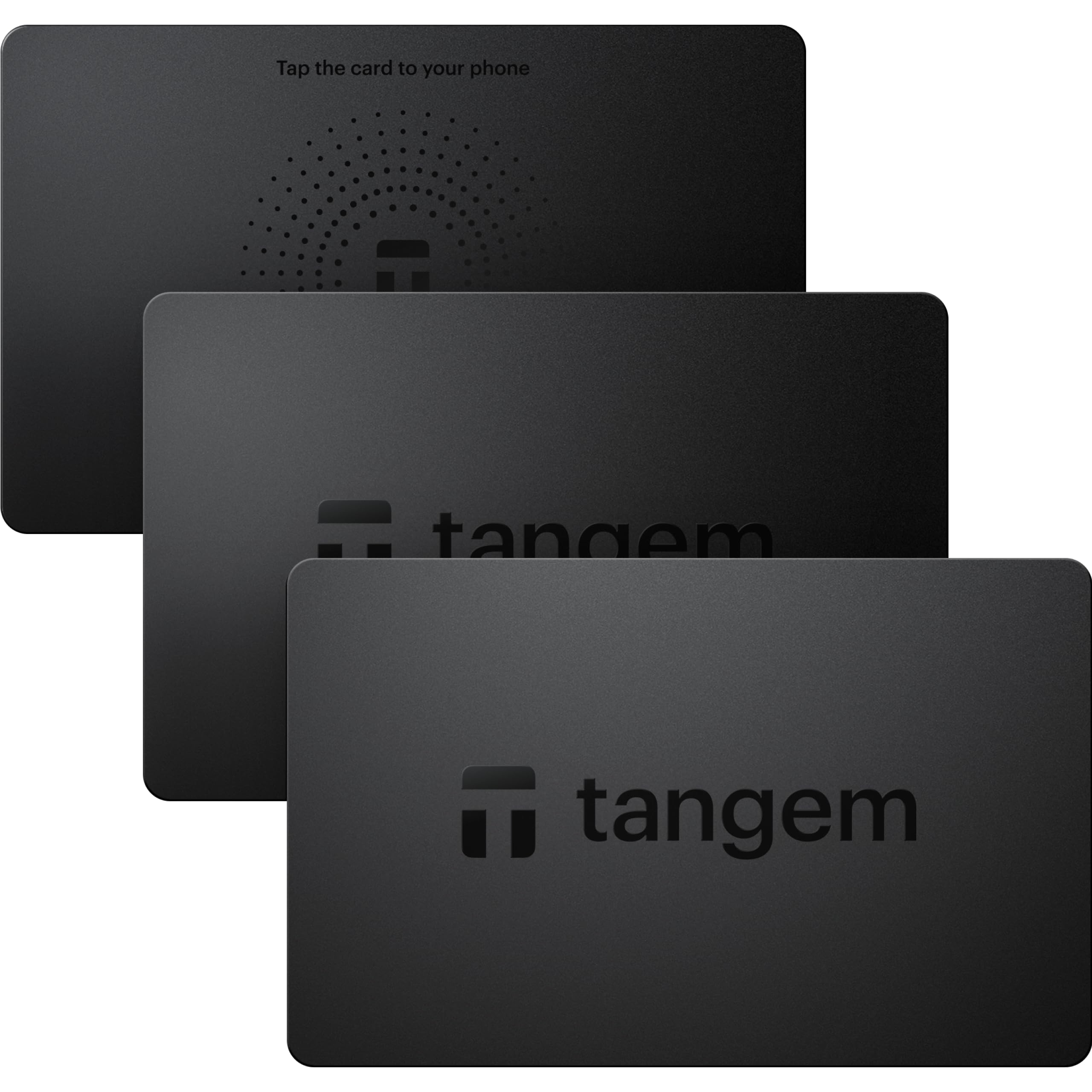
3. Tangem: Best secure mobile wallet for self-custody
Tangem utilizes NFC-enabled smart cards to store private keys offline, eliminating the need for seed phrases on connected devices. This hardware approach significantly reduces exposure to digital malware while maintaining mobile convenience through companion app interactions. The cards are durable, waterproof, and designed for long-term self-custody, offering a physical layer of security that complements digital asset protection strategies.
4. OKX Wallet: Best all-in-one exchange integration
OKX Wallet bridges the gap between centralized exchange efficiency and decentralized self-custody, offering seamless asset transfers between platforms. Users can access spot trading, futures, and DeFi protocols within a single interface, reducing the need to manage multiple accounts. This integration streamlines portfolio management while maintaining non-custodial control over private keys, appealing to traders who value operational efficiency alongside security.
5. Phantom: Best for Solana and high-speed chains
Phantom delivers a sleek interface optimized for Solana’s high-throughput network, enabling rapid transaction confirmations and low fees. The wallet supports NFT management and staking directly within the app, providing a unified experience for Solana ecosystem participants. Its intuitive design simplifies complex interactions, making it an ideal choice for users prioritizing speed and ease of use when engaging with high-frequency blockchain applications.

How we picked the best mobile crypto wallet 2026
Selecting a mobile crypto wallet is not like choosing a banking app. With traditional finance, you are trusting an institution to safeguard your money. With cryptocurrency, you are responsible for your own security. We evaluated five wallets based on three non-negotiable criteria: security architecture, staking support, and multi-chain compatibility.
Security Architecture
The primary filter was how each wallet handles private keys. We looked for hardware-backed secure elements, biometric authentication, and open-source code that allows independent audits. Wallets relying on simple password protection or custodial servers were excluded. We verified claims against official documentation from the Bitcoin Foundation and CoinGecko, ensuring that security features are real, not marketing fluff.
Staking Support
In 2026, passive income is a major driver for wallet selection. We tested each wallet’s ability to stake major assets like Ethereum and Solana directly from the mobile interface. The criteria included ease of delegation, transparency of fees, and the reliability of reward distribution. A wallet that locks your assets or hides staking mechanics failed our test.
Multi-Chain Compatibility
The crypto landscape is fragmented. A true mobile wallet must handle more than just Bitcoin. We assessed each option’s support for Ethereum, Solana, and other major Layer 1 and Layer 2 networks. Seamless switching between chains without losing access to your keys was essential. Wallets limited to a single chain were considered too restrictive for a primary mobile tool.
The Checklist
Before finalizing your choice, verify these three points:
- Private Key Control: Confirm the wallet is non-custodial and you own the seed phrase.
- Staking Simplicity: Ensure staking can be started and stopped easily within the app.
- Chain Coverage: Check that the wallet supports the specific tokens you plan to hold.
These standards ensure that the wallets recommended in this guide are not just convenient, but secure enough for high-stakes financial management.
Mobile crypto security trends in 2026
The landscape of mobile crypto security has shifted from relying on a single recovery phrase to a layered defense model. Biometric authentication is now the standard entry point, but the real innovation lies in how private keys are stored and processed. Multi-Party Computation (MPC) technology has emerged as a critical upgrade, splitting keys into shards that require multiple signatures to authorize a transaction. This reduces the risk of a single point of failure, whether that failure comes from a stolen device or a compromised server.
Simultaneously, the industry is seeing a pragmatic shift away from traditional seed phrases for daily users. Hardware-integrated wallets, such as the Ledger Stax, combine offline key storage with mobile convenience, offering a robust alternative to software-only solutions. As noted by the Bitcoin Foundation, combining offline storage with mobile accessibility provides a superior balance of security and usability for 2026. For those prioritizing long-term storage, hardware options like the Trezor Bitcoin Edition remain essential, while daily transaction needs are increasingly met by MPC-based mobile apps.


As an Amazon Associate, we may earn from qualifying purchases.
Frequently asked questions about mobile wallets
Is it safe to keep crypto on my phone? Mobile wallets are "hot wallets," meaning they stay connected to the internet for convenience. While apps like OKX Wallet offer high security scores and robust features, they remain more vulnerable to digital theft than offline hardware solutions like the Ledger Stax. For large holdings, consider moving assets to cold storage. For daily spending, mobile wallets are generally safe if you enable biometric locks and keep your device updated.
Can I earn staking rewards on mobile wallets? Yes. Many top-rated mobile wallets, including OKX Wallet, allow you to stake supported assets directly from the app interface. This lets you earn passive income on coins like Ethereum or Solana without moving funds to a separate exchange. However, staking rewards vary by network and are not guaranteed. Always check the specific terms and lock-up periods within the wallet app before committing funds.
What is the best crypto project for 2026? Bitcoin and Ethereum remain the foundational anchors for 2026, supported by institutional ETF inflows and widespread adoption. Solana and XRP stand out as high-upside major assets, with market forecasts suggesting significant growth potential. While category plays in AI, DePIN, and gaming offer excitement, they carry higher volatility. Prioritize established networks for stability in your mobile wallet portfolio.
No comments yet. Be the first to share your thoughts!