
5 Mobile Crypto Wallets for 2026: Security, Speed, and Staking Compared
Selecting the right mobile crypto wallet in 2026 requires balancing non-custodial security with transaction speed and staking flexibility. We evaluate Ledger Live, Trust Wallet, Exodus, MetaMask, and Rainbow to help you navigate high-stakes asset management without compromising on control or convenience.
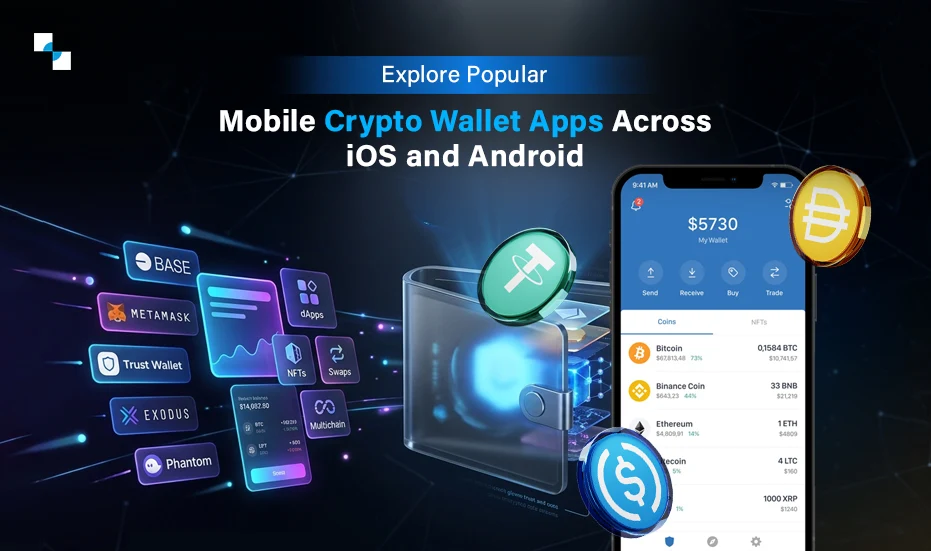
1. MetaMask DeFi standard for non-custodial security
MetaMask remains the gold standard for direct blockchain interaction, offering robust non-custodial security that keeps private keys strictly on your device. Its extensive dApp browser enables seamless access to Ethereum-based protocols, making it indispensable for users prioritizing sovereign control over their digital assets without third-party interference.
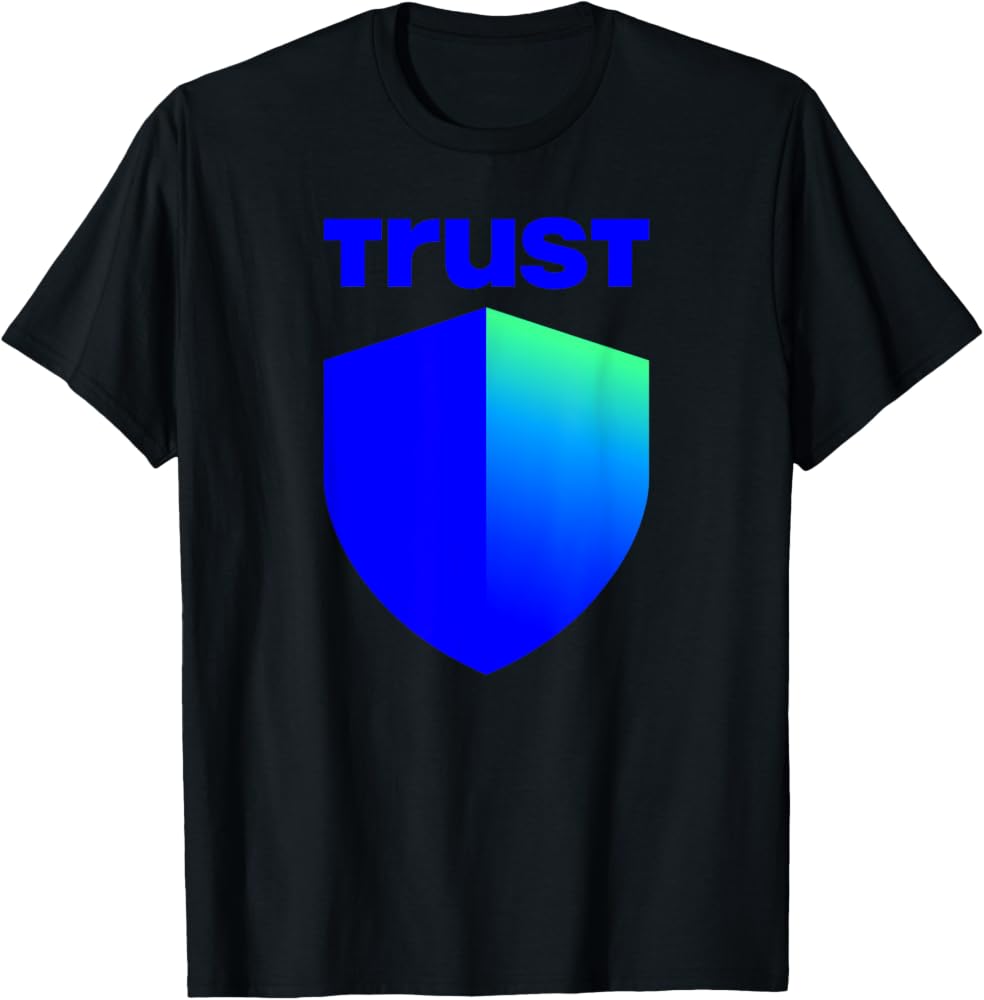
2. Trust Wallet multi-chain flexibility and staking
Trust Wallet supports a vast array of blockchains, allowing users to manage diverse portfolios within a single interface. Its built-in staking features enable passive income generation across multiple networks, while the integrated DEX aggregator ensures users find the best trading rates without leaving the app, balancing convenience with comprehensive market access.

3. Phantom Solana ecosystem and speed
Phantom has become the definitive gateway for the Solana ecosystem, renowned for its lightning-fast transaction speeds and intuitive user interface. It simplifies complex blockchain interactions, allowing users to easily navigate NFT marketplaces and DeFi applications on Solana, providing a smooth experience that matches the network's high throughput and low fees.
4. Coinbase Wallet self-custody simplicity for beginners
Coinbase Wallet offers a streamlined approach to self-custody, designed specifically for newcomers entering the crypto space. It separates exchange funds from personal keys, providing a user-friendly interface that demystifies blockchain management while maintaining security, making it an ideal entry point for those seeking simplicity without sacrificing control over their assets.

5. Exodus Desktop integration and asset variety
Exodus bridges the gap between mobile and desktop by offering seamless synchronization across devices, ensuring portfolio visibility everywhere. Its impressive support for hundreds of cryptocurrencies and intuitive visual interface makes it a versatile choice for users who value asset variety and cross-platform consistency in managing their diverse digital investments.

How we picked the best mobile wallets
We evaluated mobile crypto wallets based on four core pillars: security architecture, multi-chain support, staking capabilities, and interface clarity. Our primary focus was on non-custodial solutions, ensuring that users retain full control of their private keys. In a high-stakes environment where self-custody is paramount, relying on third-party custodians introduces unnecessary risk.
Security remains the foundation of our selection. We examined how each wallet handles key generation, storage, and transaction signing. Multi-chain support was the second criterion, as most users hold assets across Ethereum, Solana, Bitcoin, and other networks. A wallet that limits you to a single chain forces you to juggle multiple apps, increasing friction and exposure to phishing risks.
Staking capabilities and interface clarity rounded out our evaluation. We looked for wallets that make earning yield on idle assets straightforward and those that present complex data without overwhelming new users. The following products represent the best balance of these factors for 2026.



As an Amazon Associate, we may earn from qualifying purchases.
Compare mobile wallet features side by side
Choosing the right mobile crypto wallet depends on which chains you trade and how you store your keys. The table below contrasts the five leading options on supported networks, staking capabilities, and security architecture.
| Wallet | Supported Chains | Staking | Security Model |
|---|---|---|---|
| Trust Wallet | 100+ | Yes | Non-custodial |
| MetaMask | EVM chains | Yes | Non-custodial |
| Phantom | Solana, EVM | Yes | Non-custodial |
| Coinbase Wallet | Multi-chain | Yes | Non-custodial |
| Ledger Live | 5,500+ | Yes | Hardware + App |
Each wallet balances convenience with control differently. Non-custodial options like Trust Wallet and MetaMask keep private keys on your device, while Ledger Live integrates with hardware devices for offline storage. Staking availability is nearly universal across these apps, allowing you to earn yields directly from your phone.


As an Amazon Associate, we may earn from qualifying purchases.
Secure your mobile crypto setup
A mobile wallet is only as safe as the device it runs on. Because phones are always connected, they face constant exposure to malware, network sniffing, and phishing attempts. Prioritize non-custodial wallets that give you full control over your private keys, ensuring no third party can freeze or seize your assets.
Start by enabling biometric locks and two-factor authentication on every wallet app you install. Biometrics provide a fast, convenient layer of security that is significantly harder to compromise than a static password. If the app supports it, use an authenticator app for 2FA rather than SMS, which is vulnerable to SIM swapping attacks.
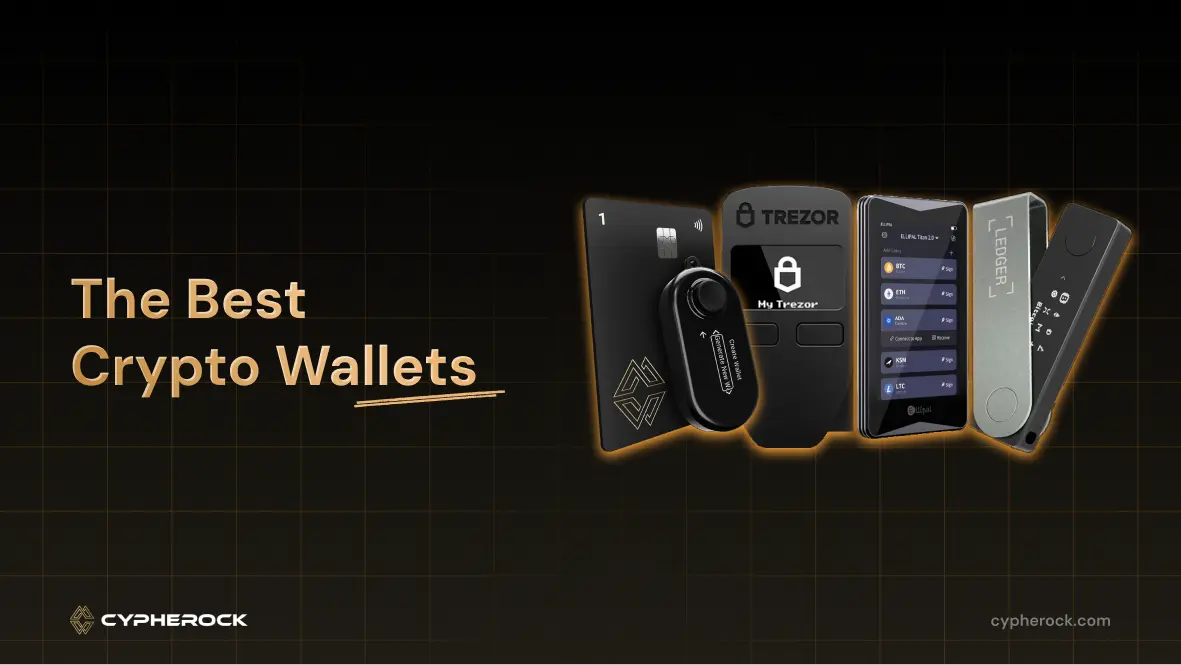
Stay vigilant against phishing links disguised as official support messages or airdrop notifications. Always verify contract addresses and app store badges before interacting with new tokens. For high-stakes security, consider pairing your mobile setup with a hardware wallet like the Ledger Flex or Trezor Safe 5 to sign transactions offline, keeping your keys isolated from the internet.
Activate Face ID or fingerprint authentication in your wallet settings. This prevents unauthorized access if your phone is left unlocked or stolen, adding a biological barrier that is unique to you.
Before swapping tokens or sending funds, double-check the smart contract address. Phishing sites often mimic popular apps but use malicious contracts to drain your wallet. Use official sources to confirm addresses.
Write your 12 or 24-word recovery phrase on paper and store it in a secure physical location. Never store this digital copy in cloud notes, email drafts, or screenshots, as hackers can easily access these.
Keep your wallet app and operating system updated. Security patches fix known vulnerabilities that could be exploited by malware. Enable automatic updates to ensure you always have the latest security protections.
Common questions about mobile wallets
What is the best mobile crypto wallet? For most users, Trust Wallet and MetaMask offer the best balance of security and ease of use. Trust Wallet supports over 100 chains and built-in staking, making it ideal for diverse portfolios. MetaMask is the standard for Ethereum and EVM-compatible networks, offering seamless integration with decentralized applications.
Can the IRS see your crypto wallet? Yes, the IRS can track wallets associated with Know Your Customer (KYC) exchanges. If you trade on platforms like Coinbase or Binance, those transactions are reported. Non-custodial wallets like Ledger or Trezor do not report directly, but on-chain activity remains public and traceable if linked to your identity.
What is the best cold wallet for crypto in 2026? Ledger and Trezor remain the top choices for hardware security. Ledger offers a broader app ecosystem, while Trezor focuses on open-source transparency. Both keep private keys offline, protecting your assets from online threats.
No comments yet. Be the first to share your thoughts!