The 2026 Mobile Threat Model
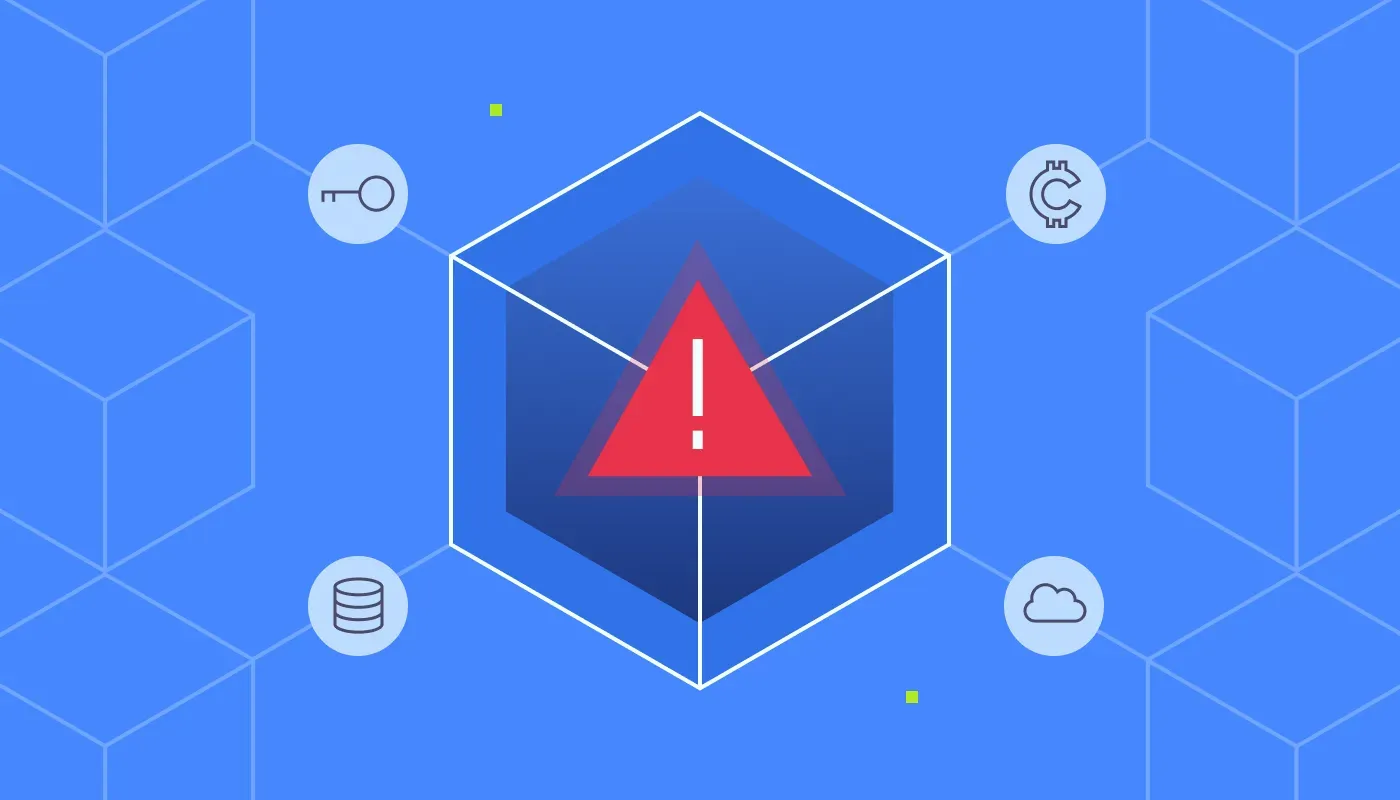
The strategy of pairing a hardware wallet with a mobile interface no longer guarantees safety. In 2026, the attack surface has shifted from the cold storage device itself to the mobile operating system and the apps that run on it. Traditional security models assumed the phone was a passive display; today, it is an active target for sophisticated malware and AI-driven social engineering.
Mobile apps are now the primary entry point for asset theft. According to CryptoMathic’s 2026 agenda, CISOs must prioritize mobile app security with a focus on crypto-agility and AI defense. The threat is not just stolen private keys, but compromised user sessions and manipulated transaction data before it ever reaches the hardware wallet.
AI-Driven Phishing and OS Exploits
Artificial intelligence has lowered the barrier for creating convincing phishing attacks. Malicious apps can now mimic legitimate wallet interfaces with high fidelity, tricking users into signing malicious transactions. These attacks often bypass traditional security warnings by exploiting OS-level vulnerabilities that allow apps to overlay content or intercept touch events.
The result is a new class of "man-in-the-device" attacks. Even if your hardware wallet is secure, the transaction data displayed on your phone may be altered. You might think you are approving a transfer to a known address, but the phone is feeding the hardware wallet a different destination. This disconnect between what the user sees and what the hardware signs is the defining security challenge of 2026.
Why Hardware-Only Strategies Fail
Relying solely on a hardware wallet for security is like locking your front door while leaving the windows open. The hardware wallet protects the private key, but it cannot protect the user from being tricked into signing a bad transaction. On mobile, the "bad transaction" is often invisible to the user, masked by sophisticated UI overlays or AI-generated content.
The 2026 blockchain cybersecurity landscape highlights that most serious losses now come from a mix of contract bugs, exchange compromises, and mobile-specific exploits. The mobile environment is inherently less secure than a dedicated hardware device, making it a critical weak link in the security chain.
The New Defense Paradigm
Security in 2026 requires a holistic approach that integrates mobile app hardening, zero-trust architectures, and user education. It is not enough to have a secure wallet; the entire mobile ecosystem must be trusted. This includes the operating system, the app store, and the network connections.
Users must adopt a mindset of constant vigilance. This means verifying transaction details on the hardware wallet screen, not just the phone. It also means using mobile security solutions that can detect and block AI-driven phishing attempts and OS-level exploits. The goal is to create a secure pipeline from the user’s intent to the blockchain transaction, minimizing the risk of interception or manipulation along the way.
Top mobile wallets for 2026
Choosing a mobile crypto wallet in 2026 means balancing convenience with rigorous security protocols. The leading apps now integrate biometric authentication, such as Face ID or fingerprint scanning, to prevent unauthorized access. They also employ advanced seed phrase handling, often using mnemonic backups that are encrypted locally on the device rather than stored in the cloud.
Smart contract interaction safety has become a critical differentiator. Top-tier wallets now include built-in transaction simulators that warn users of potential risks before they sign a contract. This layer of protection is essential for navigating the complex web of decentralized applications (dApps) and preventing phishing attacks that target mobile users.
The table below compares the core security architectures of the most trusted mobile wallets available this year. Each option offers a distinct approach to protecting private keys and managing user data.
| Wallet | Biometric Auth | Seed Phrase Backup | Smart Contract Filter | Open Source |
|---|---|---|---|---|
| MetaMask | Yes | Encrypted Local Storage | Yes | Yes |
| Trust Wallet | Yes | Encrypted Local Storage | Yes | Yes |
| Exodus | Yes | Encrypted Local Storage | No | No |
| Ledger Live | Yes | Hardware Device | Yes | Yes |
Hardware wallets on mobile
Hardware wallets are no longer tethered to desktops. In 2026, devices like Ledger and Trezor have integrated NFC and USB-C connectivity to fit into a mobile-first workflow. This shift allows you to keep private keys offline while using your phone as the primary interface for signing transactions.
The security model remains consistent: the hardware device generates and stores keys in a secure element, never exposing them to the internet. Your phone acts as a display and confirmation tool. When you initiate a transaction, the data travels from the app to the hardware device—either via a physical cable or a near-field tap—which signs the transaction and sends the signature back to your phone to broadcast.
This hybrid approach offers the best of both worlds. You get the cold storage security of a dedicated device with the convenience of mobile apps. It effectively neutralizes the risk of malware on your phone, as the malicious software cannot access the private keys needed to authorize transfers.
Top hardware wallets for mobile
The market has consolidated around a few reliable options that prioritize mobile compatibility.
- Ledger Nano X: Features built-in Bluetooth, allowing for wireless connection to iOS and Android devices through the Ledger Live app.
- Trezor Model T: Offers a touchscreen and USB-C connectivity, providing a robust experience for mobile users who prefer a wired connection for maximum security.
- Trezor Safe 3: A newer, more affordable option that supports USB-C and maintains high security standards for mobile transactions.
These devices ensure that your crypto assets remain protected even as you move away from the desktop. The key is to keep your device firmware updated and to verify every transaction detail on the hardware screen itself.


As an Amazon Associate, we may earn from qualifying purchases.
Regulatory shifts and asset safety
The regulatory landscape for mobile crypto wallets has shifted from ambiguity to explicit enforcement in 2026. The Securities and Exchange Commission’s recent clarifications on federal securities laws now directly impact how wallets handle airdrops, protocol mining, and staking rewards SEC 2026-30. Wallet providers that previously operated in gray areas must now ensure their interfaces clearly distinguish between non-security assets and regulated securities.
This clarity demands a new standard for transparency. Choosing a wallet is no longer just about seed phrase security; it is about the provider’s ability to navigate complex compliance frameworks. Custodial mobile wallets, in particular, face heightened scrutiny regarding how they manage on-chain assets and vault structures LW 2026. If a provider cannot demonstrate compliance, your assets may be frozen or subject to unexpected legal hurdles.
For the average user, this means prioritizing wallets that offer clear, auditable records of their regulatory standing. Security is no longer just technical; it is legal. A wallet that hides its compliance status is a wallet that risks your entire portfolio. As the IRS tightens its reporting requirements, the wallet you choose becomes the primary interface between your assets and federal oversight. Choose providers that welcome this scrutiny rather than those that obscure it.
Safest mobile crypto wallet options
The safest mobile crypto wallet isn't a single app; it's a tiered choice based on how much you hold and how much control you want. For most users, the balance between security and convenience dictates the final pick.
Hot wallets for daily spending
Apps like MetaMask or Trust Wallet keep keys on your device for easy access. They are convenient for small amounts but remain vulnerable to malware and phishing. Use these only for funds you can afford to lose or need for immediate transactions.
Cold storage for long-term holds
For significant holdings, hardware wallets like Ledger or Trezor are the gold standard. They keep private keys offline, immune to remote hacks. While they require a physical device, the security payoff is absolute for anything beyond daily spending.
Multi-signature solutions
For high-value portfolios, multi-sig wallets like Gnosis Safe add layers of approval. Transactions require multiple keys to sign, preventing a single point of failure. This is ideal for teams or individuals managing large sums who want institutional-grade security on mobile.
Crypto security questions 2026
The regulatory landscape for mobile crypto security is shifting rapidly. In 2026, the SEC clarified how federal securities laws apply to airdrops, mining, and staking, creating a more defined but complex environment for wallet users [[src-serp-4]]. Industry analysts note that this regulatory clarity is driving a wave of institutional-grade security features into consumer-facing mobile apps [[src-serp-7]].
No comments yet. Be the first to share your thoughts!