Best Crypto Wallets for 2026 on a Budget
Finding a secure crypto wallet doesn't require spending hundreds of dollars. The best budget options in 2026 balance affordability with essential security features like offline key storage. We evaluated models that keep your assets safe without draining your wallet.
Ledger Stax
The Ledger Stax is a top pick for those who want premium features at a mid-range price. It combines offline key storage with support for thousands of assets. While not the cheapest option, its durability and ease of use make it a worthwhile investment for long-term holders.
Ngrave Zero
For absolute security on a budget, the Ngrave Zero offers a unique approach. It is a tamper-proof hardware wallet that never touches the internet. This air-gapped design ensures your private keys remain isolated, making it one of the most secure options available despite its higher initial cost.
Comparison of Budget Picks
| Wallet | Type | Key Feature | Best For |
|---|---|---|---|
| Ledger Stax | Hardware | Touchscreen & Offline Storage | Daily use & multi-asset support |
| Ngrave Zero | Hardware | Air-gapped & Tamper-proof | Maximum security & long-term holding |
Choosing the Right Fit
When selecting a budget wallet, prioritize security over convenience. Ensure the device supports the specific cryptocurrencies you hold. Always purchase directly from the manufacturer to avoid tampered devices. These steps ensure your investment remains protected in 2026 and beyond.
Shortlist real options
Choosing the right wallet depends on how you store keys and which coins you trade. The landscape in 2026 splits into two main categories: hardware wallets for security and software wallets for daily access. We evaluated the strongest contenders based on security architecture, supported assets, and ease of use.
Hardware wallets remain the gold standard for long-term storage. They keep private keys offline, isolating them from internet-based threats. Ledger and Ngrave lead this space with devices that combine physical security with user-friendly interfaces. Ledger’s Flex model offers a flexible screen for better readability, while Ngrave emphasizes air-gapped security for high-value holdings.
For active trading and mobile convenience, non-custodial software wallets are essential. Trust Wallet and Phantom support thousands of tokens across multiple chains, making them ideal for DeFi users. Tangem provides a unique card-based hardware solution that functions like a contactless credit card, bridging the gap between security and speed.
The table below compares the top picks across key metrics. We prioritize official features and verified capabilities over marketing claims.
| Wallet | Type | Security | Best For |
|---|---|---|---|
| Ledger Flex | Hardware | Secure Element, Offline Signing | Daily use & readability |
| Ngrave Zero | Hardware | Air-gapped, Zero-knowledge | High-value storage |
| Trust Wallet | Software | Non-custodial, Local Storage | Multichain DeFi |
| Phantom | Software | Non-custodial, Local Storage | Solana & NFTs |
| Tangem | Hardware | Secure Element, NFC | Mobile ease of use |
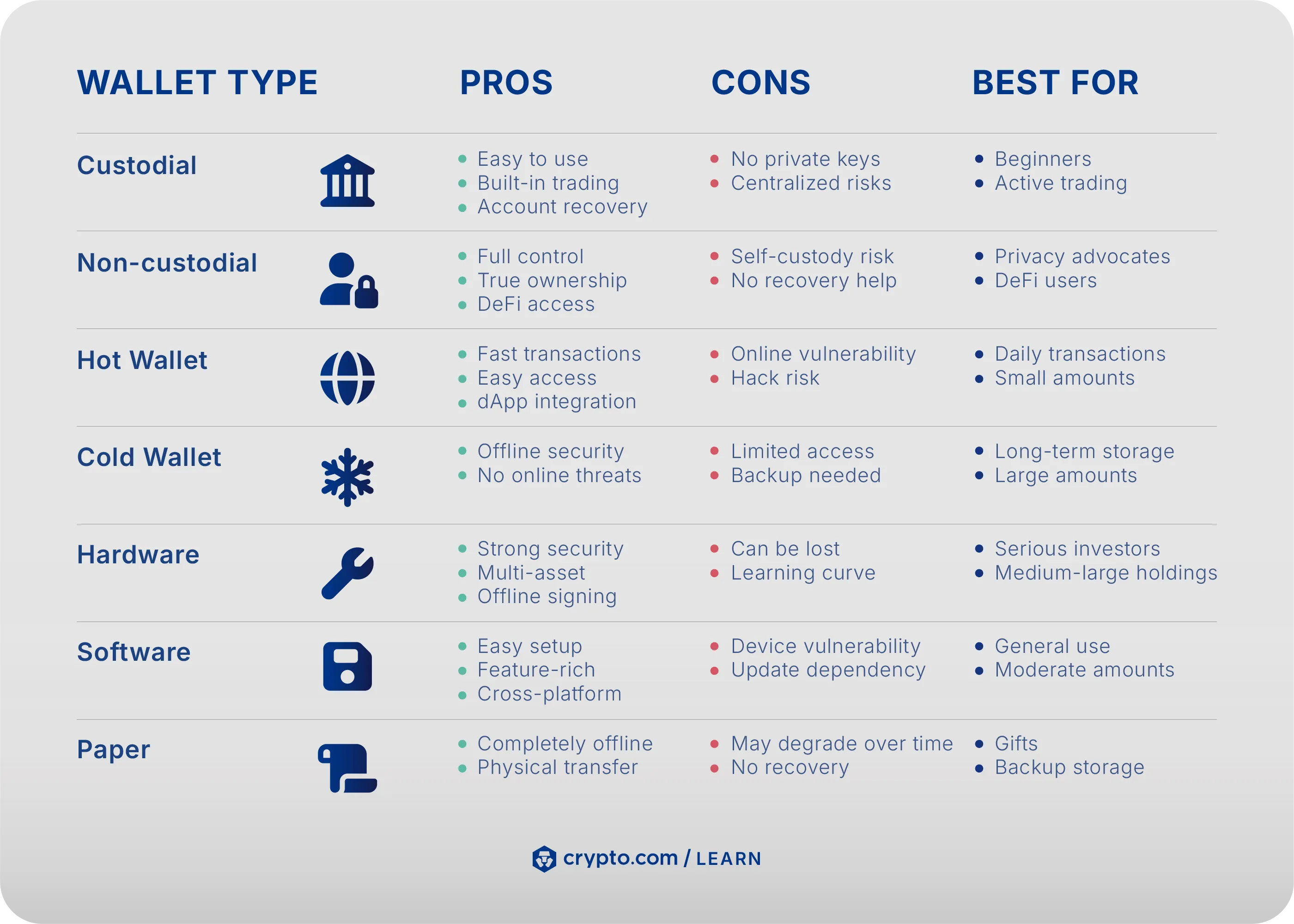
Each option serves a different need. Hardware wallets require a physical device but offer the highest protection against remote hacks. Software wallets are free and instant but rely on your device’s security. Most users benefit from holding long-term assets in a hardware wallet and keeping trading funds in a software wallet.


As an Amazon Associate, we may earn from qualifying purchases.
Inspect the expensive parts
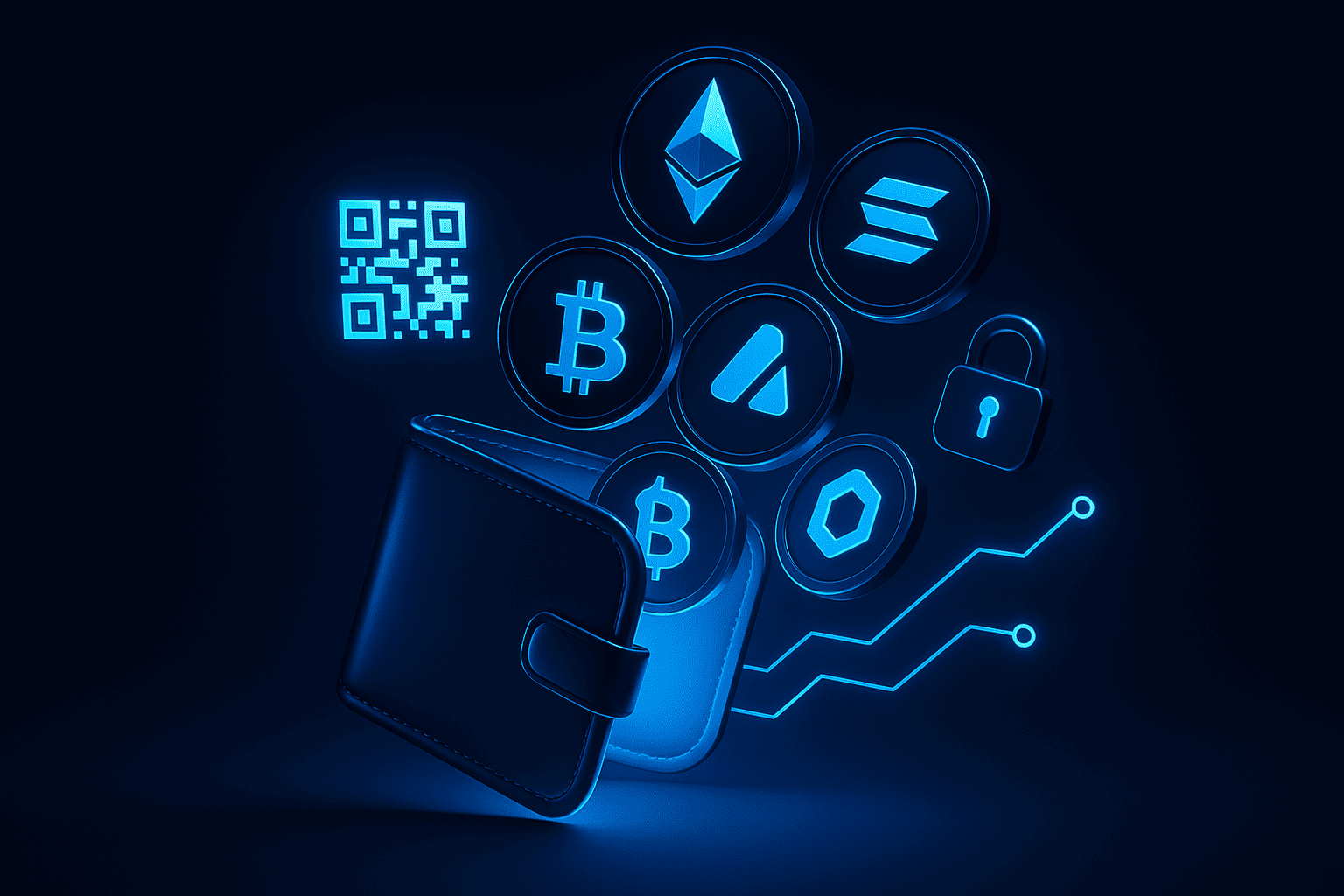
A crypto wallet is only as secure as its weakest component. When evaluating options, focus on the hardware and software elements where failure leads to irreversible loss. This checklist targets the high-stakes areas that separate reliable wallets from risky ones.
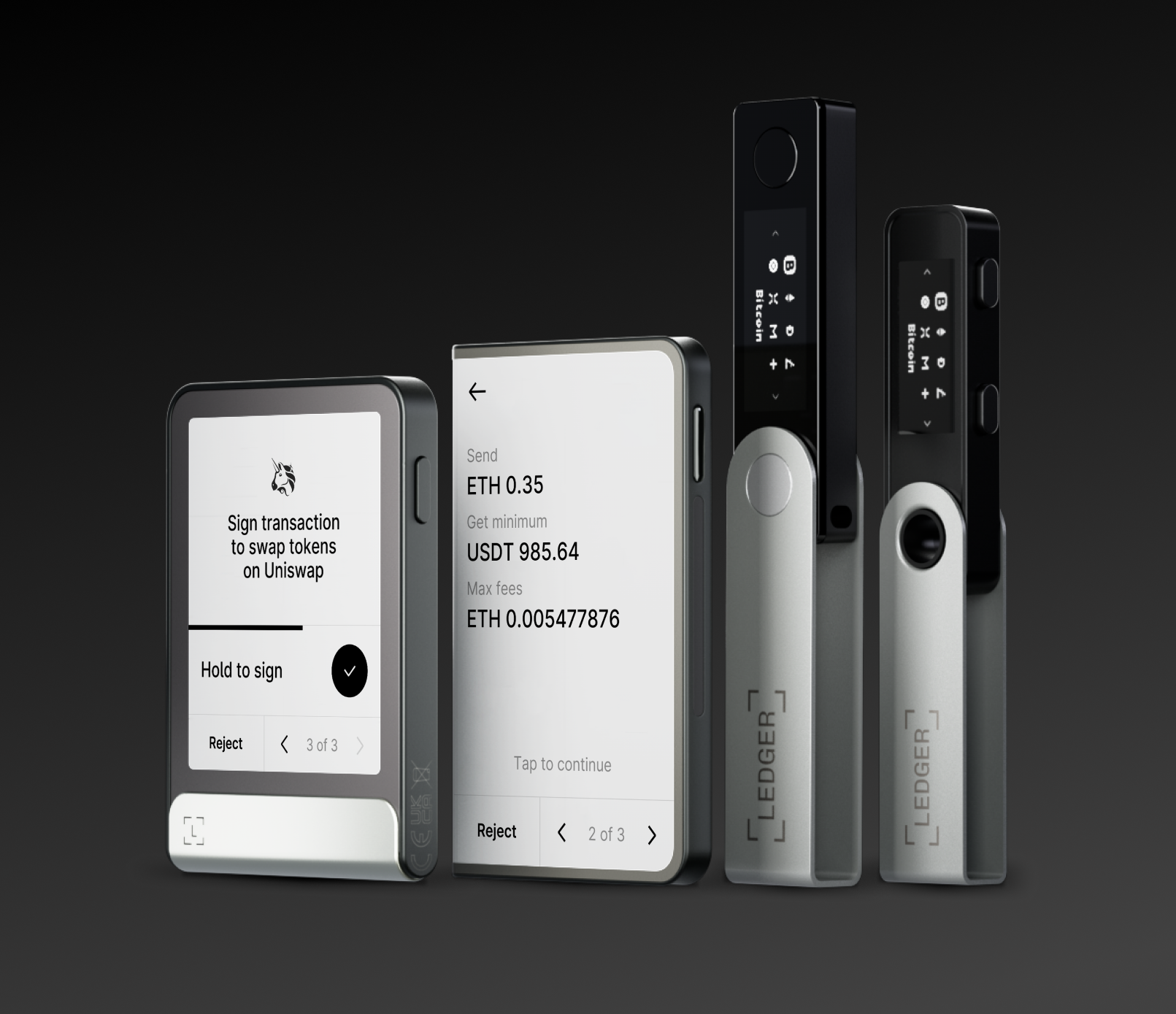
Ensure private keys never touch the internet. Hardware wallets like Ledger Stax or Ngrave Zero generate keys in a secure element, isolated from your computer. If a wallet claims to be "secure" but stores keys in browser extensions or cloud-synced apps, it is vulnerable to remote hacks. Look for chips certified to Common Criteria EAL5+ or higher.

Your 12- or 24-word seed phrase is the master key to your funds. Inspect how the wallet handles this data. Does it allow you to write it down on paper, or does it offer digital backups that could be stolen? The best wallets prioritize physical, offline recovery. Avoid any system that emails, texts, or stores your seed digitally.
When connecting to DeFi apps, you grant permissions that can drain your wallet. Check if the wallet offers "contract interaction" warnings or allows you to set spending limits. Tools like Ledger Live or specialized dApp browsers should show exactly what a transaction will do before you sign it. If a wallet lets you sign blindly, you are at risk of approval scams.
For hardware wallets, the screen and buttons are your first line of defense. Verify that the device displays transaction details clearly, including the recipient address and amount. If the screen is too small or the buttons are unresponsive, you might accidentally approve a malicious transaction. Read user reviews focusing on the tactile experience of signing transactions.


As an Amazon Associate, we may earn from qualifying purchases.
By focusing on these expensive failure points, you can avoid the most common pitfalls. Security is not just about the brand; it is about how the device handles your keys and how it forces you to verify every transaction.
Plan for ownership costs
A wallet’s sticker price is rarely the only expense. Beyond the initial purchase, you should budget for the hardware and services that keep your assets secure and accessible. Ignoring these recurring costs can turn a budget device into a liability over time.
Hardware and replacement parts
Physical wallets degrade. Screens crack, buttons wear out, and cables fray. If you rely on a hardware wallet like the Ledger Flex or Ledger Stax, you will eventually need replacement cables or potentially a new unit if the device fails. Keep a small reserve for these maintenance surprises, especially if you travel frequently or use your device daily.
Backup and recovery services
Security requires redundancy. You might pay for encrypted cloud storage for your backup phrases or use a specialized recovery service like those offered by the Bitcoin Foundation, which provides guidance on secure key management. While some recovery tools are free, professional audits or multi-signature setups often involve fees. Factor in the cost of verifying your backups periodically to ensure they actually work.
When cheap stops being cheap
A low-cost wallet may seem like a bargain, but it can become expensive if it lacks robust security features. You might end up paying for insurance, additional security hardware, or even losing funds due to a vulnerability. For high-value holdings, the cost of a premium wallet with better build quality and customer support is often justified by the peace of mind it provides.


As an Amazon Associate, we may earn from qualifying purchases.
Crypto wallets 2026: what to check next
Choosing the right crypto wallet in 2026 means balancing security with daily usability. The market has shifted toward devices that combine cold storage reliability with modern interface design. Below are the most common practical questions readers ask before making a decision.
What is the best crypto wallet for 2026?
According to research from the Bitcoin Foundation and Ledger, the Ledger Stax and Ledger Flex stand out as top contenders. The Ledger Flex offers a flexible screen that improves readability for complex transactions, while the Stax provides a premium e-ink experience. For pure security, Ngrave remains a strong option for offline key storage. These devices represent the current standard for balancing utility with institutional-grade protection.
Are hardware wallets safer than software wallets?
Hardware wallets are generally safer because they keep private keys offline, away from internet-connected threats. Software wallets, like Trust Wallet or Phantom, are convenient for frequent trading but expose keys to potential malware. If you hold significant assets, a hardware wallet is the recommended baseline. For small amounts used in daily DeFi interactions, a reputable software wallet may suffice.
Can I lose my crypto if I lose my hardware wallet?
No, you cannot lose your crypto if you have your recovery phrase. The hardware device is merely a tool to sign transactions; the keys exist on your recovery sheet. If you lose the device, you can restore your funds on any new compatible wallet using that phrase. Always store your recovery phrase in a secure, physical location, never digitally.
Which wallets support the most cryptocurrencies?
Trust Wallet and Bitget Wallet are known for supporting thousands of tokens across multiple chains. Ledger devices also support a vast array of coins through their Ledger Live app. If you hold a diverse portfolio of altcoins, ensure your chosen wallet explicitly lists support for those specific assets before purchasing.
No comments yet. Be the first to share your thoughts!