What defines a top mobile wallet in 2026
The standard for mobile crypto wallets has shifted from simple storage to active security management. In 2026, a top-tier wallet must balance three competing demands: uncompromising security, seamless multi-chain interoperability, and intelligent transaction monitoring. Users no longer accept interfaces that are either too complex for daily use or too exposed to common phishing attacks.
Security remains the foundational requirement. Modern wallets utilize hardware-backed secure enclaves to isolate private keys from the device’s main operating system. This architecture ensures that even if the phone is compromised by malware, the keys remain inaccessible. Biometric authentication has become the standard, replacing vulnerable PINs and passwords with fingerprint or facial recognition tied directly to the key generation process.
Multi-chain support is equally critical. The fragmented nature of blockchain networks means a single wallet must handle Bitcoin, Ethereum, Solana, and numerous Layer-2 solutions without forcing users to juggle multiple applications. A unified interface that aggregates assets across chains reduces friction and minimizes the risk of sending funds to incompatible addresses.
Artificial intelligence has emerged as a new layer of defense. Top wallets now integrate AI-driven transaction analysis to detect suspicious patterns in real-time. Before a user signs a transaction, the wallet scans the smart contract for known vulnerabilities or phishing indicators. This proactive approach transforms the wallet from a passive storage tool into an active guardian of user assets.
Top Picks for Security and Ease of Use
Finding a mobile crypto wallet that balances high-level security with everyday usability requires looking past the marketing fluff. The best options in 2026 solve the "seed phrase problem" entirely or integrate hardware-grade security into a familiar app interface. Below are the current leaders in security and ease of use, evaluated on how they protect your assets while keeping the user experience frictionless.
Zengo: Best for Beginners and Seedless Security
Zengo has carved out a distinct niche by removing the traditional seed phrase from the equation entirely. Instead of relying on a single backup string that can be lost or stolen, Zengo uses a technology called MPC (Multi-Party Computation). Your private key is split into two parts: one stays on your device, and the other is held by Zengo’s servers. To authorize a transaction, both parts must be present, but they never meet, meaning neither Zengo nor a hacker can access your funds alone.
This approach makes Zengo arguably the most beginner-friendly mobile crypto wallet available. There is no complex backup process to memorize. If you lose your phone, you simply download the app on a new device and verify your identity using biometrics (FaceID or fingerprint). The app also includes a "Security Shield" that detects suspicious websites and phishing attempts in real-time. For users who prioritize peace of mind over advanced trading features, Zengo’s zero-knowledge architecture offers a robust safety net.
Exodus: Best for Multi-Chain Simplicity
Exodus remains a top contender for users who hold a diverse portfolio across many different blockchains. As a non-custodial wallet, Exodus gives you full control over your keys, but it packages this power inside one of the cleanest, most intuitive interfaces in the industry. It supports over 240 cryptocurrencies and 100+ NFT collections, all accessible from a single dashboard.
Security in Exodus is handled through a combination of local encryption and a discreet, recoverable seed phrase. While it requires the user to manage their backup, Exodus simplifies the process with clear, step-by-step instructions and the ability to store the seed phrase securely within the app’s encrypted vault. The wallet also integrates a built-in exchange feature, allowing users to swap assets directly within the app without sending funds to an external exchange. This consolidation of storage and trading makes Exodus a powerful tool for those who want security without sacrificing convenience.
Ledger Live: Best for Hardware Integration
For users who want the highest possible level of security, Ledger Live bridges the gap between mobile convenience and hardware-grade protection. By pairing the Ledger Live app with a Ledger Nano X or Stax device, you get the best of both worlds: the ease of a mobile interface and the security of a cold storage device. Transactions are signed on the physical hardware device, meaning your private keys never leave the secure element, even when you are using your phone to manage your portfolio.
Ledger Live supports over 5,500 cryptocurrencies and offers features like staking directly from the app, NFT management, and DeFi connectivity. The hardware integration ensures that even if your phone is compromised by malware, your funds remain safe because the malicious code cannot extract the keys from the physical device. This setup is ideal for users who hold significant value and want to mitigate the risks associated with keeping assets on a connected device.
Comparison of Top Mobile Wallets
The table below summarizes the key differences between these leading mobile crypto wallets, focusing on their security models and primary strengths.
| Wallet | Security Model | Best For | Seed Phrase Required |
|---|---|---|---|
| Zengo | MPC (Multi-Party Computation) | Beginners and ease of use | No |
| Exodus | Non-custodial local encryption | Multi-chain portfolio management | Yes |
| Ledger Live | Hardware-backed (MPC/HSM) | Maximum security and large holdings | No (uses hardware device) |
How AI changes mobile crypto transactions
Artificial intelligence has moved from a buzzword to a core utility in 2026 mobile crypto wallets. It no longer just tracks your portfolio; it actively protects your assets and simplifies the complex mechanics of blockchain transactions. For users managing high-stakes positions, these automated features reduce the friction that typically leads to costly errors.
Detecting phishing attempts
Mobile crypto transactions are vulnerable to sophisticated social engineering. Modern wallets use machine learning to analyze transaction metadata and contract interactions in real time. When you approve a transaction, the AI checks the destination address against known malicious patterns and evaluates the contract’s behavior. If the risk score is too high, the wallet blocks the action or requires additional verification. This layer of defense catches phishing attempts that human review might miss, especially when dealing with unfamiliar dApps.
Optimizing gas fees
Gas fees on networks like Ethereum can fluctuate wildly based on network congestion. AI-driven wallets analyze historical gas price data and current network load to predict the optimal time for a transaction. Instead of manually checking gas trackers, the wallet automatically selects the most cost-effective gas limit and priority fee. This ensures your transaction goes through quickly without overpaying for urgency during peak hours.
Simplifying complex on-chain interactions
Interacting with decentralized finance (DeFi) protocols often requires multiple steps, including token approvals, swapping, and providing liquidity. AI simplifies this by generating transaction bundles that execute these steps in a single confirmation. The wallet translates complex smart contract functions into plain language, explaining exactly what will happen before you sign. This abstraction makes on-chain finance accessible to users who do not understand the underlying code.
Where to buy secure mobile crypto hardware
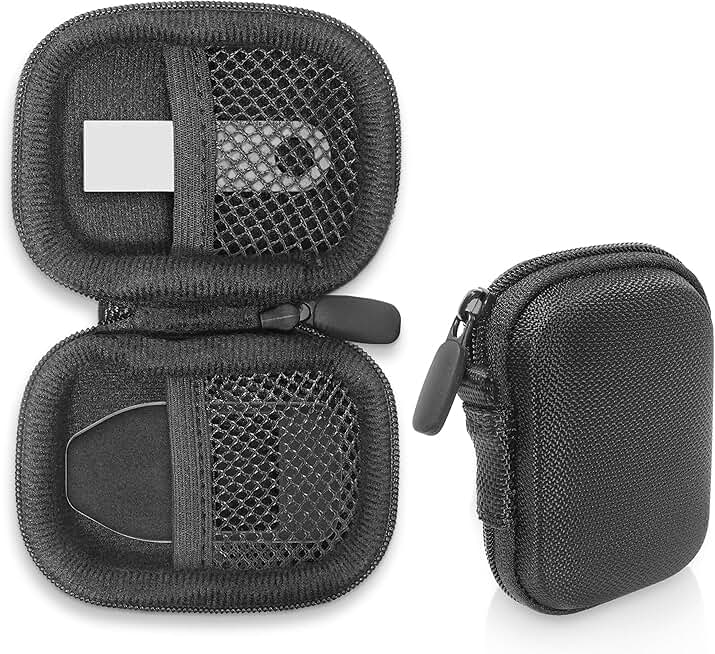
Hardware wallets provide the strongest layer of protection for your digital assets, keeping private keys offline and away from online threats. Most modern hardware devices pair seamlessly with mobile apps, allowing you to manage your portfolio on the go without compromising security.
When shopping for a mobile-compatible hardware wallet, prioritize devices with established reputations for security and active firmware updates. Ledger and Trezor remain the industry standards, offering robust mobile integration through their respective apps. These devices support a wide range of cryptocurrencies and provide a familiar interface for both beginners and experienced traders.
For convenient purchasing, Amazon offers a reliable selection of these top-tier hardware wallets. Below are popular options that pair well with mobile apps, ensuring you can access your funds securely from anywhere.


As an Amazon Associate, we may earn from qualifying purchases.
Frequently asked questions about mobile wallets
Are mobile wallets safe for storing large amounts of crypto?
Most security experts recommend keeping significant holdings in hardware wallets rather than on mobile devices. Mobile apps are convenient for daily transactions but remain connected to the internet, making them more vulnerable to remote attacks. For long-term storage, a cold wallet provides an offline layer of protection that mobile apps cannot match.
How do I back up my mobile crypto wallet?
The standard backup method is a 12-to-24-word seed phrase. You must write this down on paper and store it in a secure, physical location. Never save your seed phrase digitally, such as in a screenshot, email, or cloud note app, as hackers can easily access these files. If you lose your phone, this phrase is the only way to recover your funds on a new device.
Which mobile wallets work with the most cryptocurrencies?
Multi-chain wallets like Trust Wallet and Coinbase Wallet support thousands of tokens across different blockchains. These apps allow you to manage diverse assets in one interface without needing separate apps for each network. If you primarily trade on Ethereum or Solana, specialized wallets like MetaMask or Phantom may offer a smoother experience for those specific ecosystems.
No comments yet. Be the first to share your thoughts!